


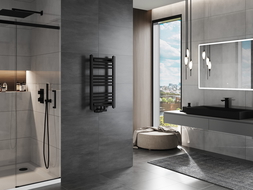

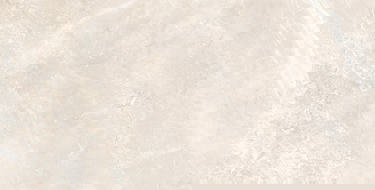
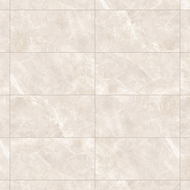





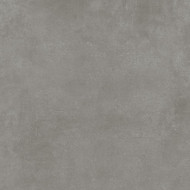
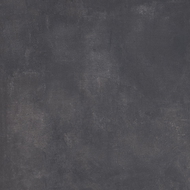

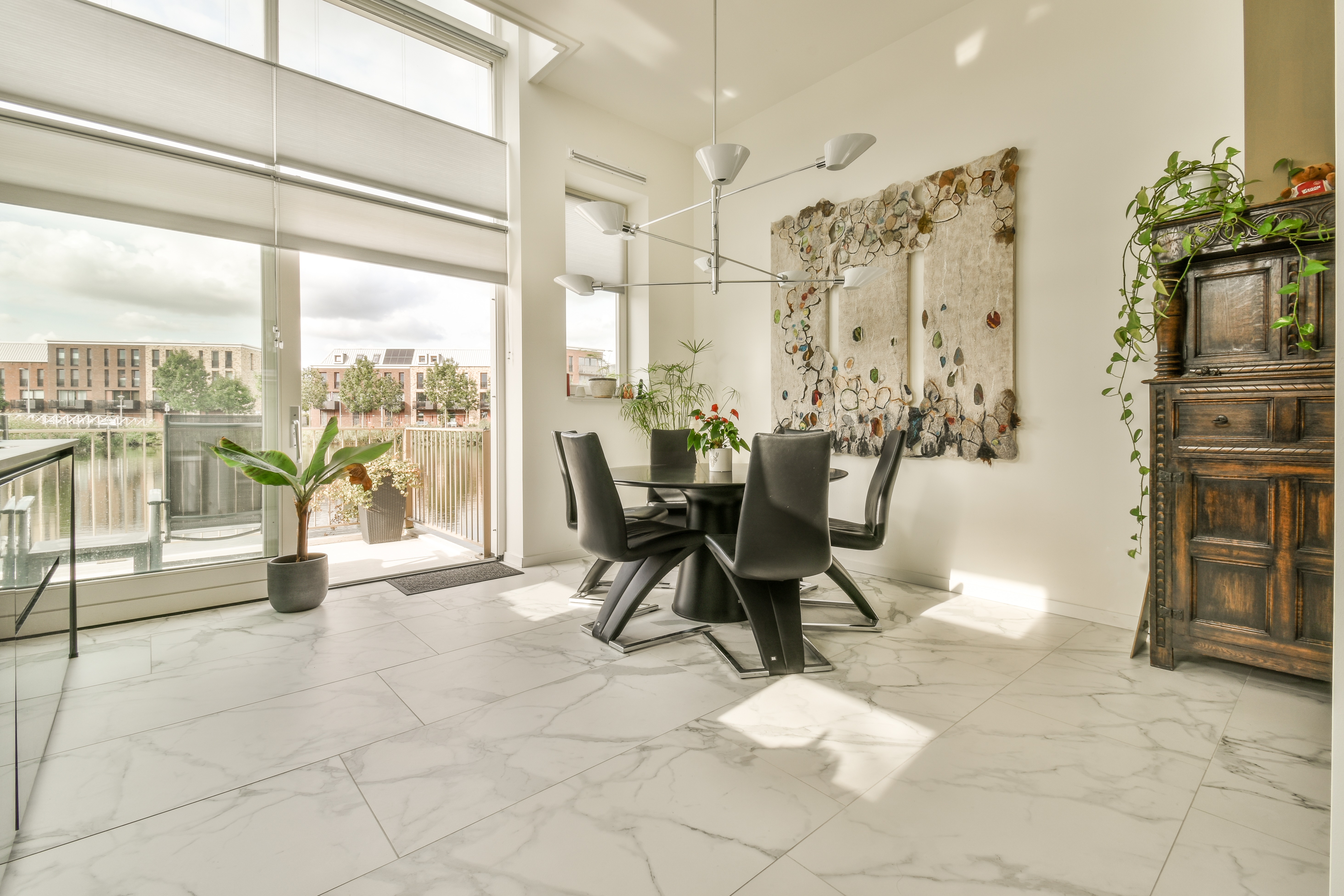
Practically all glazed floor tiles can be categorized based on their abrasion class, expressed in PEI. This parameter tells us what kind of wear we can expect from daily use.
What will you learn from this article?
Home or apartment renovation involves many choices. One of the most important is undoubtedly considering the right flooring.. When choosing tiles, it's worth paying attention not only to their purpose, aesthetics, or rectification. Also important are values such as slip resistance and abrasion resistance. In this article, you will read:
- What exactly do the tile abrasion classes inform us about?
- How to choose the appropriate abrasion class?
- What are the best tiles for high-traffic interiors?
- What will be an excellent solution for less frequently used rooms?
What does the tile abrasion class inform us about?
The abrasion of tiles is expressed in the PEI scale. This is an international standard that determines the resistance of glazed ceramic and porcelain tiles to surface wear. The models tested are subjected to a rotating abrasive wheel, and later it is evaluated when damage appears on their surface.
- PEI 0 (very low resistance) — tiles are highly susceptible to damage. Such a class is recommended exclusively for walls and only where there is no contact with potential abrasive factors. About 100 machine revolutions are sufficient for damage.
- PEI 1 (low) — such tiles are suitable for rooms with very little traffic, and where users walk in soft shoes or barefoot. Here the machine needs about 150 revolutions to damage the tile.
- PEI 2 (medium-low) — appropriate for interiors with moderate traffic, where soft shoes are worn. Damage occurs after about 600 machine revolutions.
- PEI 3 (medium) — tiles of such abrasion can be used more frequently, but not with hard and heavy footwear. For this class, the safe revolutions for tiles should not exceed 1500.
- PEI 4 (high) — this class guarantees high resistance even with strong use. This option works well not only in homes but also in public places, such as shopping centers. At this abrasion level, tiles withstand from 2100 to even 12,000 machine revolutions, indicating excellent resistance.
- PEI 5 (very high) — such tiles withstand over 12,000 machine revolutions, which equates to the highest resistance. This exemplary material is distinguished by the best parameters. Indispensable in public utility buildings.
What abrasion class of tiles is suitable for different rooms?
You already know that well-matched tiles are not just about aesthetics. When choosing specific models for each room, you must pay attention to their resistance. So as to allow easy, frequent movement and comfortable use of the space.
Appropriate tile class for the kitchen
The kitchen is a place exposed to the fall of various objects, liquid spills, and stains. At the same time, it is a space with moderate traffic, which is relatively frequent in residential buildings but not as intense as in public utilities.
Recommended technical parameters of tiles for the bathroom
When choosing floor tiles for the bathroom, it's definitely worth paying attention to higher abrasion classes. In residential spaces, the bathroom is the area we use intensely. Tiles with an abrasion class of III or IV are recommended as they demonstrate high resistance to damage and scratches.
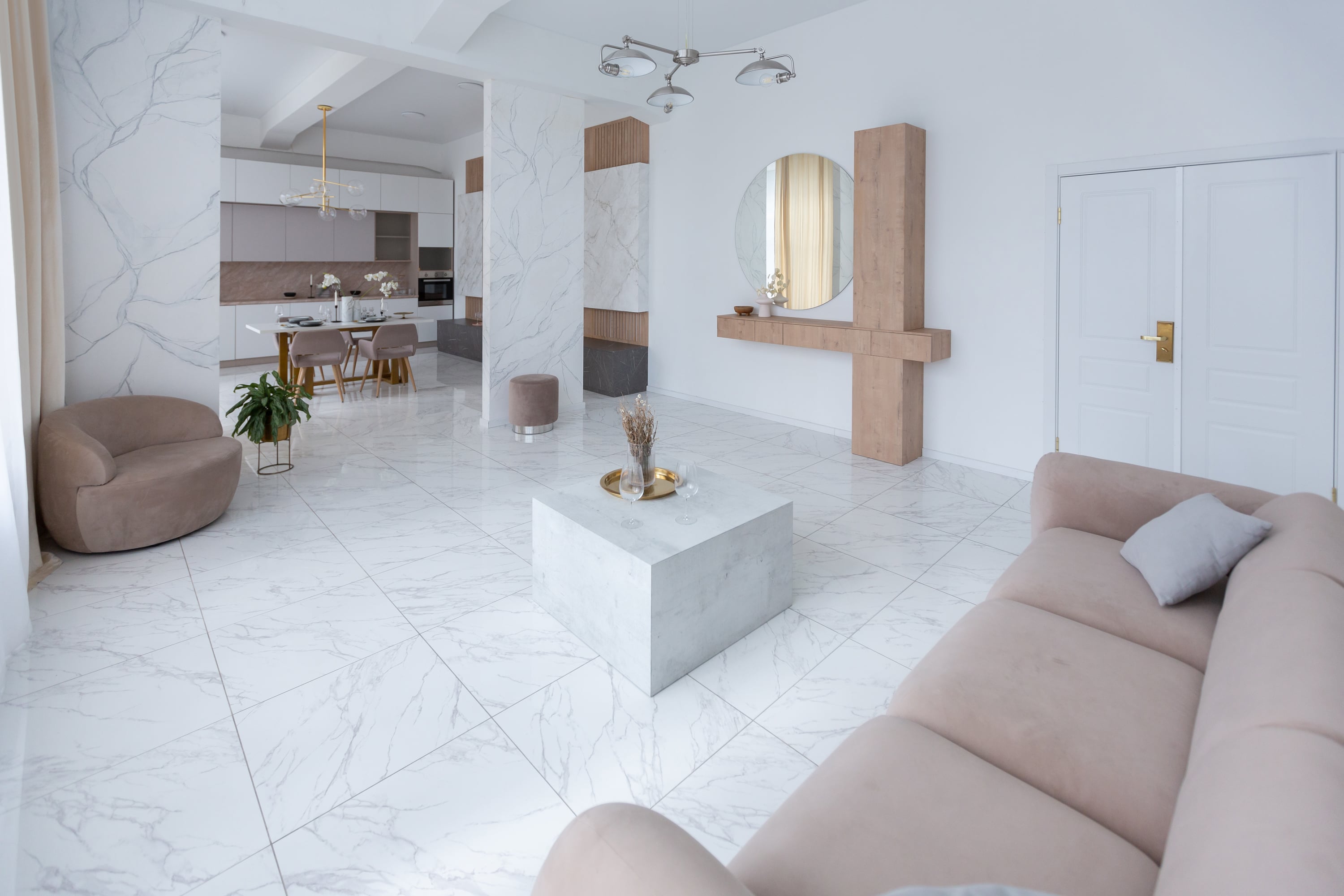
As for the abrasion resistance in the context of wall tiles, class I and class II will suffice.
Tiles for the living room and high-traffic areas
When it comes to floor tiles in the living room, hallway, or entryway, remember that they are exposed to intensive, daily use. After all, these are some of the rooms we use most often, meaning high traffic. We particularly recommend class III and IV here, as they will guarantee good durability in daily use.
What else to pay attention to when buying tiles?
The choice of the right tiles should consider their technical parameters, which have a direct impact on daily durability. Before purchasing a specific model, look at them in terms of daily use and planned interior design. After all, something different will work in a modern pantry with low traffic, and something else to install on a floor in the hallway prone to frequent damage.
Enjoy functional and aesthetic tiles in your home
As you can see, whether tiles are characterized by high resistance and an aesthetic appearance depends on their abrasion class. This applies to both porcelain tiles and ceramic models. And although the higher the abrasion class, the better, you will still find tiles recommended for rooms used rather sporadically. To enjoy an arrangement that will look beautiful for years, do not buy random models.
Related products

Mexen Avocado Nocciola glazed rectified gres, wood-like floor and wall tile 120 x 20 cm, matte - TL601-120-020-04
€30.29/m2 -19.84%
€24.29/m2List price: €30.29/m2
Lowest price: €24.29
Availability: In stock

Mexen Bliss White glazed rectified porcelain tile G1, floor and wall tile 120 x 60 cm, gloss - TL149-120-060-00
€28.60/m2 -19.97%
€22.89/m2List price: €28.60/m2
Lowest price: €22.89
Availability: In stock
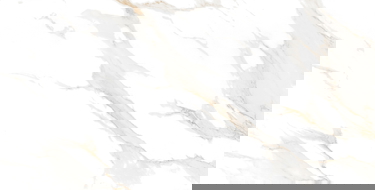
Mexen Luton Gold glazed rectified G1, floor-wall tile 120 x 60 cm, gloss - TL113-120-060-01
€28.60/m2 -19.97%
€22.89/m2List price: €28.60/m2
Lowest price: €22.89
Availability: In stock
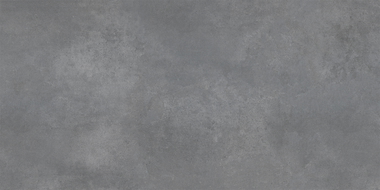
Mexen Mileo Grey Glazed Rectified Porcelain, Floor-Wall Tile 120 x 60 cm, Matte - TL301-120-060-03
€28.60/m2 -19.97%
€22.89/m2List price: €28.60/m2
Lowest price: €22.89
Availability: In stock
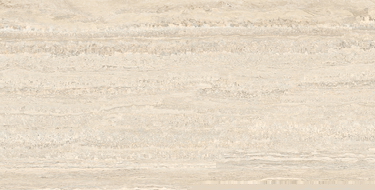
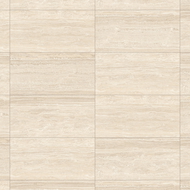
Mexen Neo Travertino Rectified glazed porcelain tile, floor and wall tile 120 x 60 cm, matte - TL302-120-060-02
€28.60/m2 -19.97%
€22.89/m2List price: €28.60/m2
Lowest price: €22.89
Availability: 2026-09-30