





















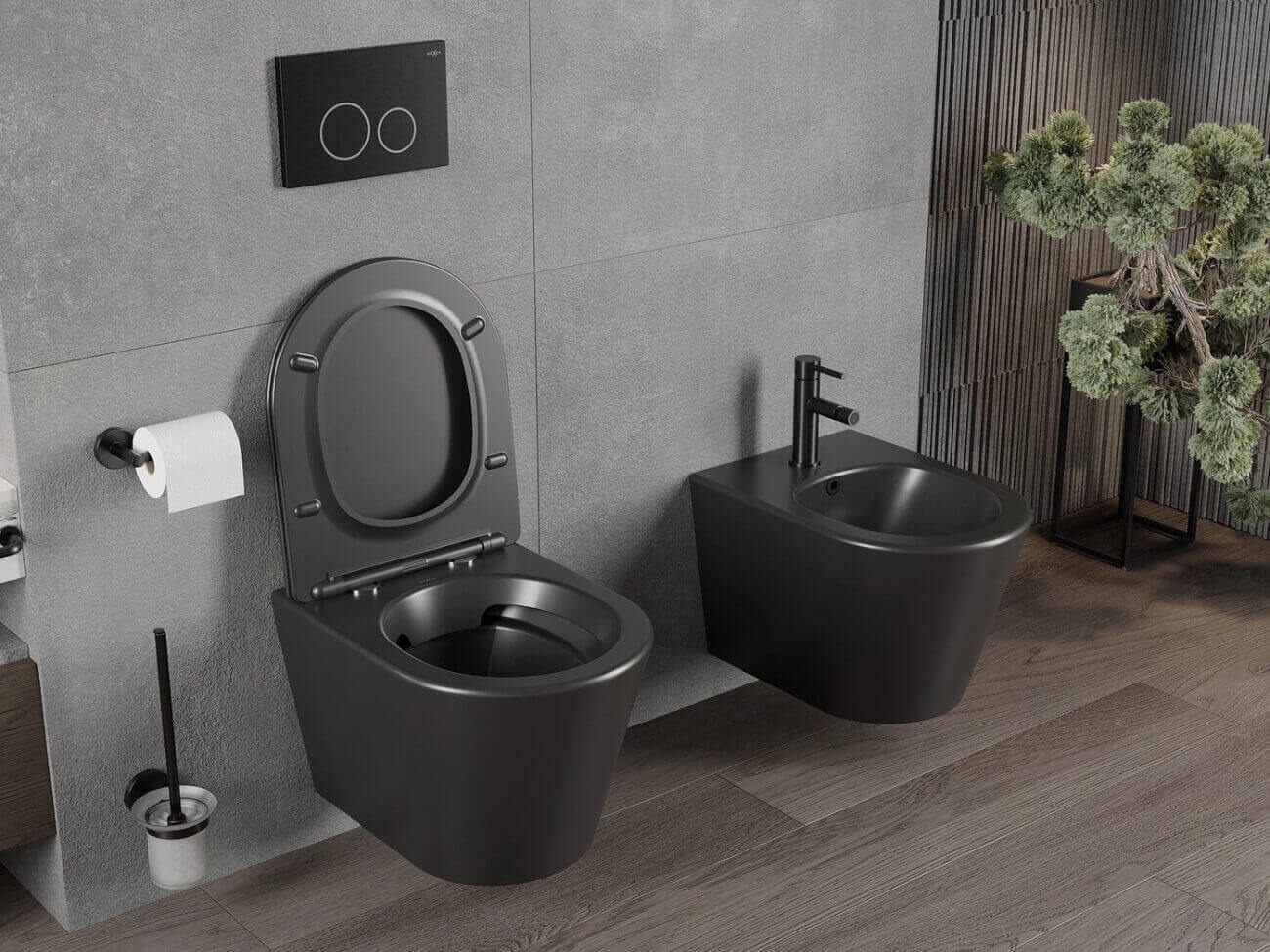
A bidet tap in the bathroom is a very popular solution that significantly enhances the comfort of daily hygiene. Appropriately chosen bidet dimensions are crucial for its proper functioning and the aesthetics of the room. Therefore, today you will learn what dimensions are considered standard, what to pay attention to when choosing a bidet, and how to ensure its proper installation to make using it as comfortable as possible.
What will you learn from this article?
In addition to discussing the installation dimensions of bidets, we will also talk about:
- how to install a bidet in your bathroom
- what else matters besides its dimensions
- which equipment is worth getting before starting the installation.
Contrary to appearances, installing a bidet does not always need to be done by a professional. Sometimes, it just takes some preparation to go through this process alone.
How to prepare for installing a bidet?
When choosing a bidet for your bathroom, one of the first aspects to consider is its dimensions. In standard conditions, a bidet takes up less space than a toilet, but it is important to remember that both its width and depth should be adjusted to the available space. Typical bidet dimensions range:
- width: from 36 to 40 cm
- depth: from 53 to 60 cm
- height: from 40 to 43 cm.
The width of the bidet depends on the model, while it is generally assumed that the distance between the bidet and the wall should be about 20 cm. The appropriate height of the bidet's drainage connection should meet the user's needs, but it is most often around 40 cm off the floor, which ensures comfortable seating.
When planning how to install a bidet, you need to consider the space separating the toilet and the sink. In ideal conditions, this distance should be at least 30 cm to ensure freedom of movement and comfort using sanitary facilities. In some bathrooms, especially smaller ones, it may be necessary to find a compromise between aesthetics and functionality, therefore it is always worth planning how to connect the bidet already at the bathroom design stage.
Diameter of the drainage outlet – what should it be?
When installing a bidet, not only its size matters but also the way it is connected to the water and sewage system. Bidets are available in various configurations, which may require different technical solutions. There are two basic types of bidets:
- wall-mounted bidet
- floor-standing bidet.
Wall-mounted bidets, like hanging toilets, require installation on a frame which hides the water and sewage installations in the wall. Floor-standing bidets, on the other hand, are mounted directly on the floor, making them easier to install but requiring more aesthetic space management around them.
One of the most important aspects when installing the tap is the appropriate setup of water connections and drainage. Typically, bidets require two connections – for cold and hot water, and also a sewage outlet – similar to a sink installation. Standard connector distances are usually 10-15 cm from the device's edge, and their height level should be adjusted to the type of bidet. For wall-mounted bidets, water connections and drainage are typically found at a height of about 30-35 cm from the floor. As for the diameter, the proper size for it is 40-50 mm.
When conducting the installation of the bidet tap, it is important to remember that besides the dimensions, the way of connecting the fittings is also significant. It is essential to ensure that taps and spouts are appropriately matched to the bidet's dimensions to ensure convenient water use. It is also advisable to pay attention to the material from which the water installation is made, to guarantee its durability and resistance to damage.
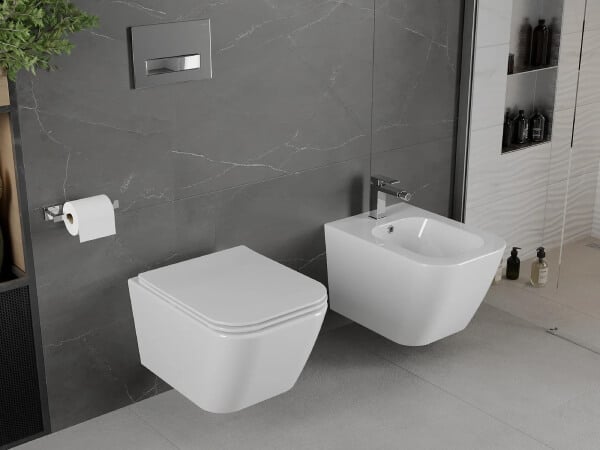
Bidet installation – how to choose a device for a small bathroom?
Installing a bidet in a small restroom can be challenging, but proper planning and model selection will allow for convenient use of the device even in limited spaces. First of all, it's worth considering purchasing compact bidet models, which have smaller dimensions. Wall-mounted bidets are an ideal solution for small bathrooms, as they take up less space than floor-standing models and also hide the plumbing installation, which visually enlarges the space.
When choosing a bidet for a small bathroom, the next step is to look at the layout of the room and the possibilities of arranging the rest of the equipment, such as the toilet, sink, or shower cabin. In some cases, you can try to install a toilet with a bidet function, which saves space and reduces the number of sanitary devices in the room. These types of toilets have a built-in spout, allowing the use of the bidet function without the need to install an additional device.
We also advise remembering that there are corner solutions, which can be an ideal choice for those with irregularly shaped bathrooms. Connecting the bidet in the corner allows for better use of space and facilitates maintaining room ergonomics. In such cases, consulting an interior designer is recommended to ensure maximum utilization of the available space while maintaining aesthetics and functionality.
Installing a bidet – step-by-step instructions
Installing a bidet in your bathroom doesn't have to be a difficult task if you equip yourself with the necessary tools beforehand. And once you do so, follow the steps below.
- Preparation of equipment and materials:
- adjustable wrench
- angle valves
- screwdriver
- water supply hose (if not included)
- gaskets
- sanitary silicone (optional).
- Shutting off the water supply
Before starting the work, make sure you have closed the main water valve. Check that the water has stopped flowing by turning on the tap.
- Water installation preparation
Place angle valves or elbows on the water supply outlets to ensure that water will be available in the bidet once the installation work is completed.
- Installing the bidet
Position the bidet in the correct location. There should be enough space for free use of both it and the toilet. A bidet is typically mounted with screws to the floor or a wall frame.
- Connecting the water
Connect the hose to the valve and bidet, tightening it with a wrench. Ensure you have used gaskets to prevent leaks.
If the bidet has a built-in tap, connect it according to the instructions. The bidet tap is mounted similarly to a sink tap, i.e., attaching it to the bidet body and connecting the hoses to the water system.
- Checking for leaks
After connecting all the components, open the water valve and check for leaks. If you notice any, use sanitary silicone to seal the structure.