

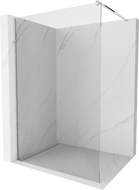
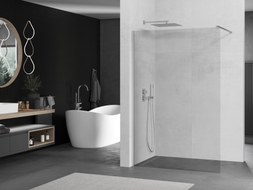






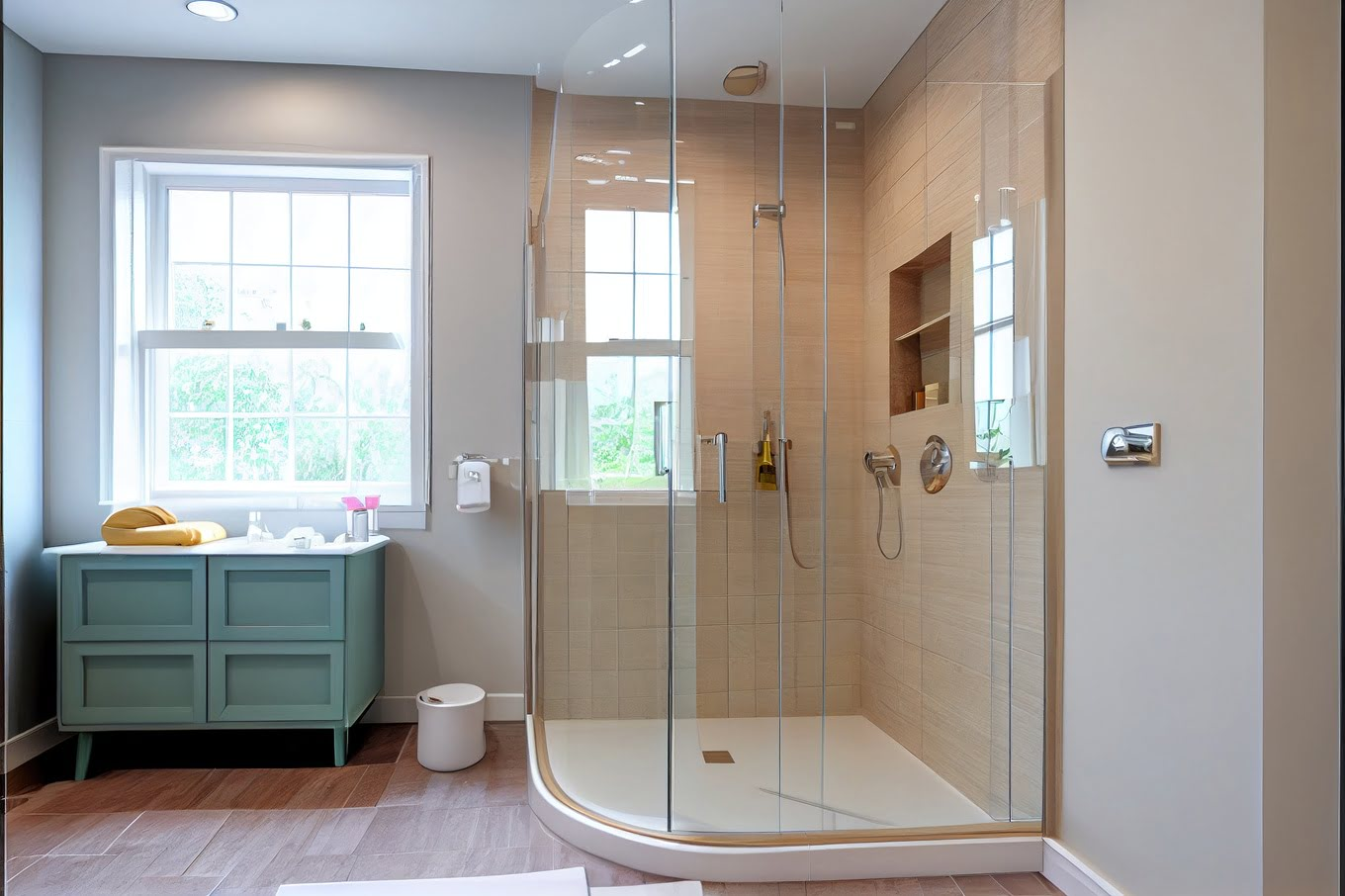
When planning a bathroom renovation or building a new shower cabin, one of the key aspects to consider is the shower slope. Although it may seem like a minor detail, the correct floor incline is crucial for the comfort and functionality of the shower. An incorrect slope can lead to water drainage problems, increasing the risk of slipping.
In the post below, we'll explore what shower slope is optimal to ensure effective water drainage and user comfort.
What should be the shower slope?
The appropriate water drainage pace is ensured by a slope to a linear drain of about 1 - 2%, which corresponds to an incline range of 0.6 - 1.2 degrees.
How to calculate the incline?
- An incline of 1% corresponds to a drop of 1 cm for every meter in length, which in degrees is about 0.57 degrees.
- An incline of 2% corresponds to a drop of 2 cm for every meter in length, which in degrees is about 1.15 degrees.
In some water drainage systems, it is worth applying a larger slope oscillating around 2.5%. This guarantees optimal capacity and effective water drainage without the risk of creating wet spots in the shower or outside the cabin.
Shower incline with a linear drain
It is worth noting that the appropriate shower slope must be considered with the so-called linear drain - typically used in walk-in cabins that, unlike shower trays, do not have a threshold. If you have a shower cabin with a tray, the incline is not as critical.
So what is a linear drain? It is a part of the plumbing integrated with the vertical sewer. Its main task is to drain water during shower use. It consists of an elongated panel (gutter, channel) made of high-quality materials (stainless steel or plastics) that cover the drainage channel.
Linear drains are installed in the shower floor, allowing for a uniform floor surface without the need for traditional trays. Their design enables achieving a minimal slope towards the drain, promoting quick and effective water drainage. This minimizes the risk of flooding the bathroom and ensures a high level of hygiene.
Thanks to their minimalist and elegant form, linear drains are characterized by high aesthetic values and functionality.
What linear drain to install in your bathroom?
Selecting the appropriate linear drain for your bathroom and individual needs is crucial. It influences both the functionality and aesthetics of the entire bathroom.
Here are some tips to help choose the right linear drain.
1. Determine the installation location
Decide where to install the linear drain:
- by the wall - ideal if you want to hide the drain and achieve a uniform floor surface;
- in the central part of the shower - often used in larger cabins where water flows from various directions.
2. Choose the appropriate length
Linear drains come in various sizes - their length is usually from 30 cm to 120 cm.
The drain length should be matched to the shower size:
- shorter drains are sufficient for smaller cabins;
- longer drains may be needed in larger shower cabins to ensure effective water drainage.
3. Material and appearance
Linear drains can be made from various materials, such as stainless steel, plastic, or brass. Choose a material that matches your bathroom style and ensures durability. Stainless steel is the most popular choice due to its corrosion resistance and elegant appearance.
4. Capacity
Check the drain's capacity, which is the amount of water the drain can handle in a specified time.
5. Cleaning system
Choose a drain that provides easy access to the cleaning system. Some models have removable grates or special baskets that facilitate removing contaminants.
6. Installation height
Pay attention to the drain's height and the possibility of mounting it in the floor. Some drains require greater depth, which can be problematic with thin floors.
7. Price and quality
Compare various models in terms of price and quality. Cheaper options might be tempting, but investing in a higher-quality drain can benefit you in the long run, ensuring durability and reliability for many years.
What shower slope with a linear drain is optimal? Summary
Choosing the right shower slope affects the comfort and functionality of the entire bathroom. An optimal floor incline of about 2% (1.2 degrees) ensures effective water drainage. This minimizes the risk of wet spots and increases user safety.
It is also worth remembering about aesthetics and hygiene - the correct slope prevents water stagnation, aiding in maintaining cleanliness and preventing the growth of fungi and mold on joints and tiles. By taking care of the right slope, you invest in the functionality and durability of your bathroom, which brings benefits for many years.