


















Shelves in stores filled with colorful boxes of bulbs can make your head spin. Does it happen to you too? Lumens, Kelvins, Ra, E27… Once, the choice was simple - just grab a "sixty" and the matter was settled. Today's lighting technology, especially modern LED bulbs, gives us huge possibilities but also requires a bit more knowledge. To avoid buying "in the dark," it's worth knowing what types of bulbs are currently available and how particular types differ. You'll learn this from our guide.
What will you learn from this article?
We created this guide to organize your knowledge and make your visit to the lighting store easier. Here are some topics we cover in the text below:
-
How have types of bulbs changed over the years?
-
What light bulbs to buy for the home?
-
How to choose LED bulbs?
-
GU10 vs E27 - how to distinguish LED bulb fittings?
The Evolution of the Bulb - From Filament to Semiconductor
To fully understand today's market full of various types of bulbs, it's worth looking back and seeing how they have changed over the years. The history of home lighting is a journey from simple, highly heating incandescent structures to LED bulbs - energy-saving and highly efficient. Here are the technologies that preceded the LED era.
Traditional Incandescent Bulbs
For decades they were the standard. Their operation was based on heating a tungsten filament enclosed in a bulb filled with inert noble gas. Their characteristic feature was pleasant, warm light and perfect color rendering. Unfortunately, their energy efficiency was terrible – only 5% of energy was converted into light. That's why they are less commonly seen today and available mainly as specialty versions.
Halogen Bulbs
This is an improved classic, using a so-called halogen regenerative cycle. Thanks to the addition of gases (iodine, bromine), halogen bulbs offered slightly higher efficiency and longer lifespan than standard models. They were also characterized by small size, allowing them to be mounted in recessed ceilings. Nevertheless, halogen light sources still generated a lot of heat, which became their main drawback in the ecological era.
Compact Fluorescent Lamps (CFL)
An intermediate solution, often colloquially called energy-saving bulbs. These were miniaturized discharge tubes, usually in a U or spiral shape. Although they used less electricity, they had their drawbacks: they contained mercury and needed time to reach full brightness. Currently, fluorescent lamps are being replaced by safer and instantly working LED diodes.
LED Revolution – Why Have Modern LED Bulbs Dominated the Market?
A true breakthrough occurred with the spread of LED technology. Modern LED bulbs (from Light Emitting Diode) are devices in which light is generated by the flow of current through a semiconductor junction. There is no filament that could burn out, and they really maintain durability for an impressive length of time. LED bulbs are also safer, immediately provide bright light, and are the most environmentally friendly choice on the market. But that's not all. Why have LEDs become the current standard?
-
Low energy consumption – a good quality LED bulb uses up to 90% less electricity than its traditional counterpart, offering the same brightness. This low consumption directly translates into lower electricity bills.
-
Longevity – their durability and long lifespan are impressive, as LED lamps can shine from 15,000 to even 30,000 hours. This means you don’t have to worry about buying a new bulb for many years.
-
Durability – diode bulbs are much more resistant to shocks and frequent on/off switching than compact fluorescent lamps or delicate incandescent models.
-
Diversity – the types of LED bulbs are almost unlimited – from flexible strips, through classic “bulbs,” to advanced smart systems controlled by a smartphone.
Technical Specifications – The Key to Informed Choice of Bulb Type
To know which bulb to choose, you must learn to correctly interpret its technical parameters. The era in which power (Watts) was the only indicator has irreversibly passed with the end of traditional bulbs. For energy-saving and LED bulbs, power only tells us about current consumption, not the amount of light. So what values should be focused on to achieve the desired effect in your interior? Here are the key indicators you'll find on every packaging.
Lumens vs. Luminous Flux – A New Definition of Brightness
The most important parameter determining how brightly an LED bulb shines is the value of the luminous flux. The unit of luminous flux is the lumen (lm). Thanks to high efficiency, LEDs with lower power (e.g., 10-12 W) can generate very strong light, replacing old 100 W lighting. How to decipher the lumen value to know how much light a particular product will give?
-
200–400 lm – gentle decorative lighting or for a night lamp.
-
700–1000 lm – equivalent to traditional light bulbs of 60–75 W. This is the standard for general room lighting.
-
1500+ lm – very bright light, ideal for large living rooms, kitchens, or workplaces requiring focus.
Color Temperature – Building Atmosphere with Light Color
The second equally important parameter is the light color. It is determined by the color temperature expressed in Kelvin (K). The emitted light can have a completely different character depending on this value. When choosing the right bulbs, pay special attention to the color temperature they offer. A mistake in this regard is the most common cause of dissatisfaction with LED lighting.
-
Warm light (2700–3200K) – resembles incandescent bulb light. It promotes relaxation, calms, and adds coziness to interiors. This light is ideal for the bedroom and relaxation area in the living room.
-
Neutral color (3500–4500K) – pure white light that does not distort colors. Most often used in kitchens, bathrooms, and home offices. It's the perfect compromise between relaxation and stimulation.
-
Daylight/cold light (5000–6500K) – tends towards blue shades. It strongly boosts concentration, so it's used in workshops, garages, and industrial halls. At home, it can sometimes be too “hospital-like.”
Color Rendering Index (CRI/Ra)
Color Rendering Index CRI tells us how faithfully artificial light reproduces colors of the surroundings compared to sunlight. The scale ranges from 0 to 100. The higher this value, the more saturated and lively the colors are, and objects look like in sunlight. Low CRI makes the surroundings appear gray, sad, and unnatural. If you care about interior aesthetics, pay attention to this parameter when shopping and choose only this type of LED bulbs.
-
CRI > 80 – standard in good home bulbs, furniture, and skin colors look natural in it.
-
CRI > 90 – required where color fidelity is critical (e.g., by the makeup mirror, above the dining table, in the wardrobe).
Types of Sockets – An Overview of the Most Popular LED Base and Mounting Types
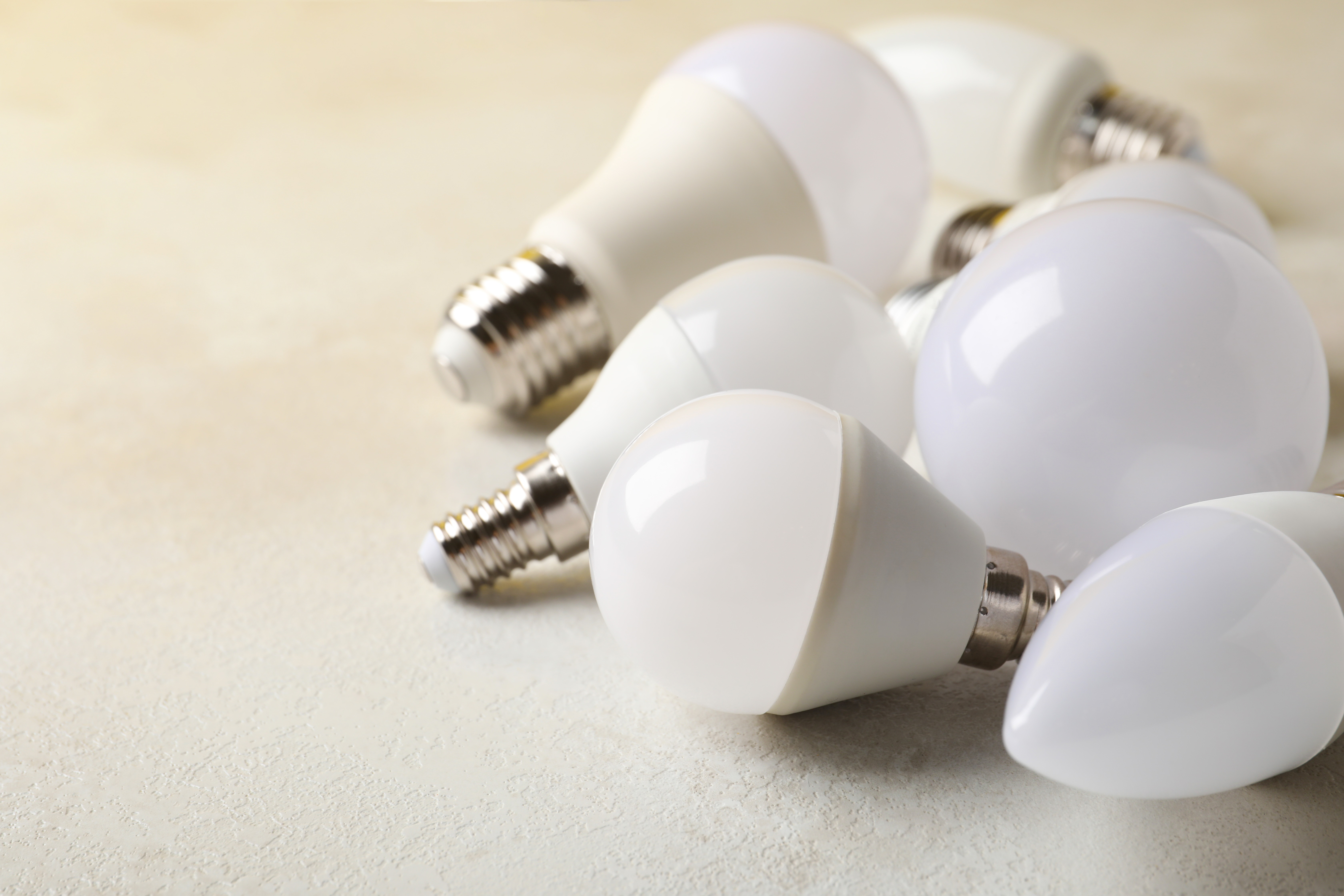
Even the most advanced technology will be useless if you can't physically mount the bulb in the lamp. So before you start analyzing light parameters, you need to know which type of socket is suitable for your light source. Without this knowledge, your purchase can turn out to be useless. The good news is that modern LED bulbs use exactly the same sockets and bases as their traditional predecessors. To make your choice easier, we have prepared a list of the most popular bulb bases found in homes.
E27
This is definitely the most popular socket, also known as the “big Edison screw.” Its diameter is 27 mm. E27 bulbs are extremely varied – from classic balls, through spheres, to decorative tubes. It's most often used in main ceiling lighting, pendants, chandeliers, and floor lamps.
E14
Commonly called “small screw”. It's narrower than E27. This type of bulb is most often used in night lamps, desk lamps, and multi-arm chandeliers where smaller bulbs are required (often in the shape of a candle).
GU10
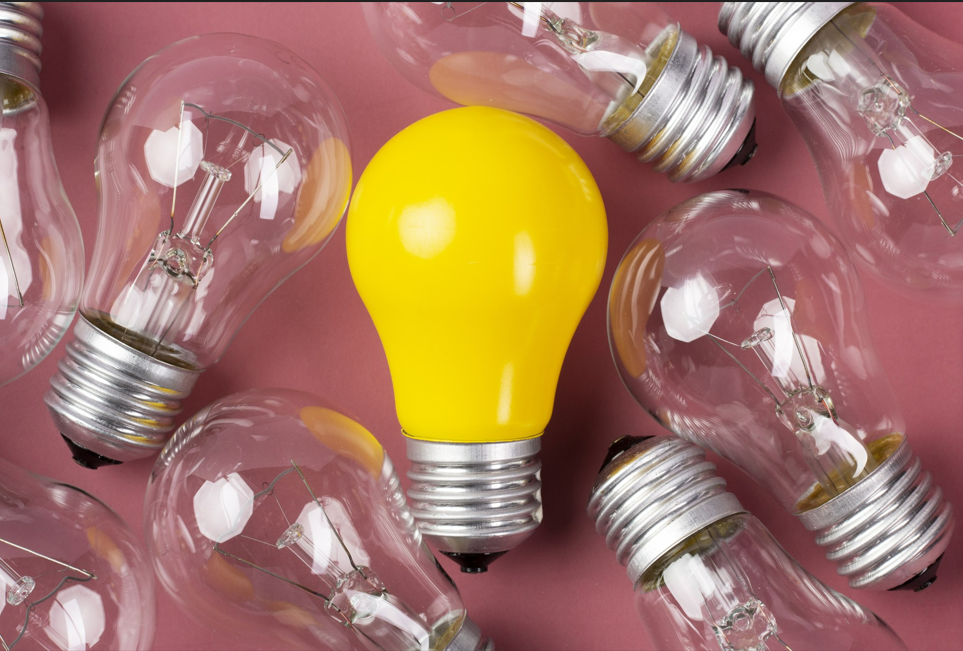
With the trend for recessed ceilings, bulbs with GU10 base gained popularity first as halogen bulbs, and now LED. They are not screwed in but inserted and turned (bayonet fitting). They are usually used for spotlights that allow precise directing of the light beam and illuminating specific places.
Pin Bases (G4, G9, MR16)
These are often low-voltage bulbs (operate on low voltage 12V and require a power supply) or powered by mains voltage (G9). They are characterized by very small sizes (pins/capsules) and are used in special lighting fixtures, in cabinet lighting, or in modern, flat lamps. Various bases allow you to adjust lighting to the most imaginative constructions.
Types of LED Bulbs – More Than Just Light
The lighting market based on LED technology is developing incredibly dynamically, and manufacturers compete in offering solutions tailored to every interior. When analyzing the available types of LED bulbs, it's worth paying attention not only to their power but primarily to their design and purpose. Check out the most popular types of modern LED bulbs you will find in stores.
-
LED SMD bulbs (standard/matte) – these are often chosen diode bulbs that have revolutionized the market. They use Surface Mounted Device technology. Usually, these are matte bulbs with a frosted bulb that hides electronics and perfectly diffuses light. This type of lighting works best in lamps with shades, plafonds, and general lighting, where functionality and even brightness distribution matter.
-
LED filament bulbs (decorative) – created for retro and loft style lovers. Inside, the diodes are arranged on longitudinal fibers, perfectly imitating the filaments of traditional bulbs. They often have a transparent or amber bulb, making the emitted light exceptionally warm and atmospheric. These are perfect LED bulbs for decorative lighting in open lamps where the light source is visible and serves as a decorative element.
-
LED Smart bulbs (intelligent) – these are advanced LED lamps that allow full control over lighting via smartphone. They enable smooth brightness regulation and color temperature change (from warm to cold). It's the ideal solution for people who want one universal type of lighting for work and relaxation in the same room.
-
RGB bulbs (multicolor) – allow playing with light in different colors. Thanks to them, you can change the lighting color to any from the color palette (red, green, blue, and intermediate), which is used to build mood during parties, gaming, or movie sessions.
LED Bulbs and Their Application – A Practical Guide
You already know the most popular types of home bulbs and can decipher the inscriptions that appear on their packaging. It's time to move on to specifics, namely the skillful selection of color and power to the specifics of a given interior in the house. You need different light for precisely chopping vegetables in the kitchen and completely different to relax with a book in an armchair or create an atmosphere in the bedroom. Therefore, when choosing bulbs, remember that the key to success is their use strictly tailored to the function of the room. What bulbs to buy for specific rooms in the house?
-
Living Room (Day Room) – this is a space for relaxation. Choose LED bulbs with a warm color (2700-3000K). In shaded lamps, matte bulbs that softly diffuse light, eliminating harsh shadows, will work well. If you have a chandelier in an industrial style, consider decorative types of LED bulbs – so-called filament. They look like old incandescent bulbs but are energy-efficient. For decorative lighting (e.g., behind the TV), LED strips of various colors (RGB) will be perfect.
-
Kitchen – this is a workspace on the countertops. The main light can be warm, but above the worktop, make sure to use light with a neutral color (4000K) and high luminous flux. This will allow you to safely cut and cook, and the products will look fresh. Often, under-cabinet or ceiling GU10 spotlights are used here.
Interested in arranging a kitchen? Check out our guide on choosing tiles for this room.
-
Bathroom – the most important thing is lighting by the mirror. It must have white light of a neutral shade and a high CRI, so makeup looks just as good in daylight. Due to moisture, it's worth ensuring the appropriate IP44 protection class. However, it’s not necessary if standard bulbs are covered.
Designing a bathroom can be easy. Check out our tips on self-decorating such an interior.
-
Bedroom – avoid blue (cold) light before bed. Suitable bulbs for the bedroom are those with a very warm color temperature (even 2200-2700K) and lower power. In bedside lamps, a small E14 socket and luminous flux below 400 lm will work great.
Energy Efficiency and LED Bulbs - Not Just Lower Bills
Energy efficiency determines how much light we get from one watt of consumed energy. In the case of LED technology, this coefficient is unparalleled – diodes convert up to 90% of energy into light, while traditional incandescent bulbs and halogen bulbs wasted most of the current generating heat. It's also worth remembering about the new EU labels (scale from A to G), where the old A++ is now often class D or E due to stricter standards. By choosing high-class LED products, you lower household bills and care for the environment.
You already know that the era of traditional bulbs and inefficient solutions has gone into oblivion, giving way to efficiency and ecology. LED bulbs mean better light quality and significant savings. Their longevity is also important. Are you looking for the right model for your lamp? You'll find the full selection of led diodes in our store.
Related products

- New
Mexen Nova LED Bulb E14, C37, 10W, Neutral - 4000K, 1055 lm - L102-E14-1040-01
€2.10 -19.52%
€1.69List price: €2.10
Lowest price: €1.37
Availability: In stock
- New
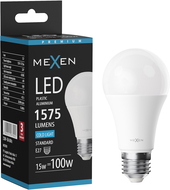
Mexen Nova LED Bulb E27, A60, 15W, Cool - 6500K, 1575 lm - L100-E27-1565-01
€1.80 -17.22%
€1.49List price: €1.80
Lowest price: €1.21
Availability: In stock
- New
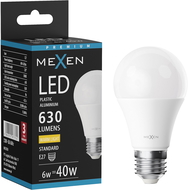
Mexen Nova LED Bulb E27, A60, 6W, Warm - 3000K, 630 lm - L100-E27-0630-01
€1.20 -17.5%
€0.99List price: €1.20
Lowest price: €0.80
Availability: In stock
- New
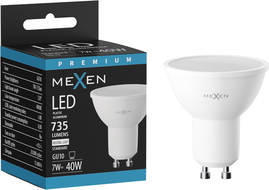
Mexen Nova LED Bulb GU10, 7W, Neutral - 4000K, 735 lm - L107-GU10-0740-01
€1.20 -17.5%
€0.99List price: €1.20
Lowest price: €0.80
Availability: In stock
- New
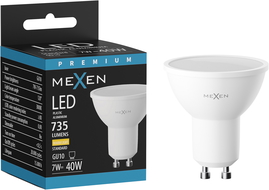
Mexen Nova LED Bulb GU10, 7W, Warm - 3000K, 735 lm - L107-GU10-0730-01
€1.20 -17.5%
€0.99List price: €1.20
Lowest price: €0.80
Availability: In stock