










When designing or planning a bathroom renovation, we strive to combine the stylish look of the interior with its functionality and safety during use. We spend quite a bit of time there every day, so it is important that the equipment collected there gives us maximum pleasure and comfort during the simple activities we perform. The ideal bathroom should also be friendly to children and the elderly - in line with this principle, modern designers of bathroom fixtures and ceramics offer us a range of practical solutions. One of them is the linear drain, which can successfully replace the traditional shower cabin with a tray. What is this solution about? What are its strengths and weaknesses? What does the installation of a linear drain look like? We will try to answer these questions in the article.
What exactly is a linear drain
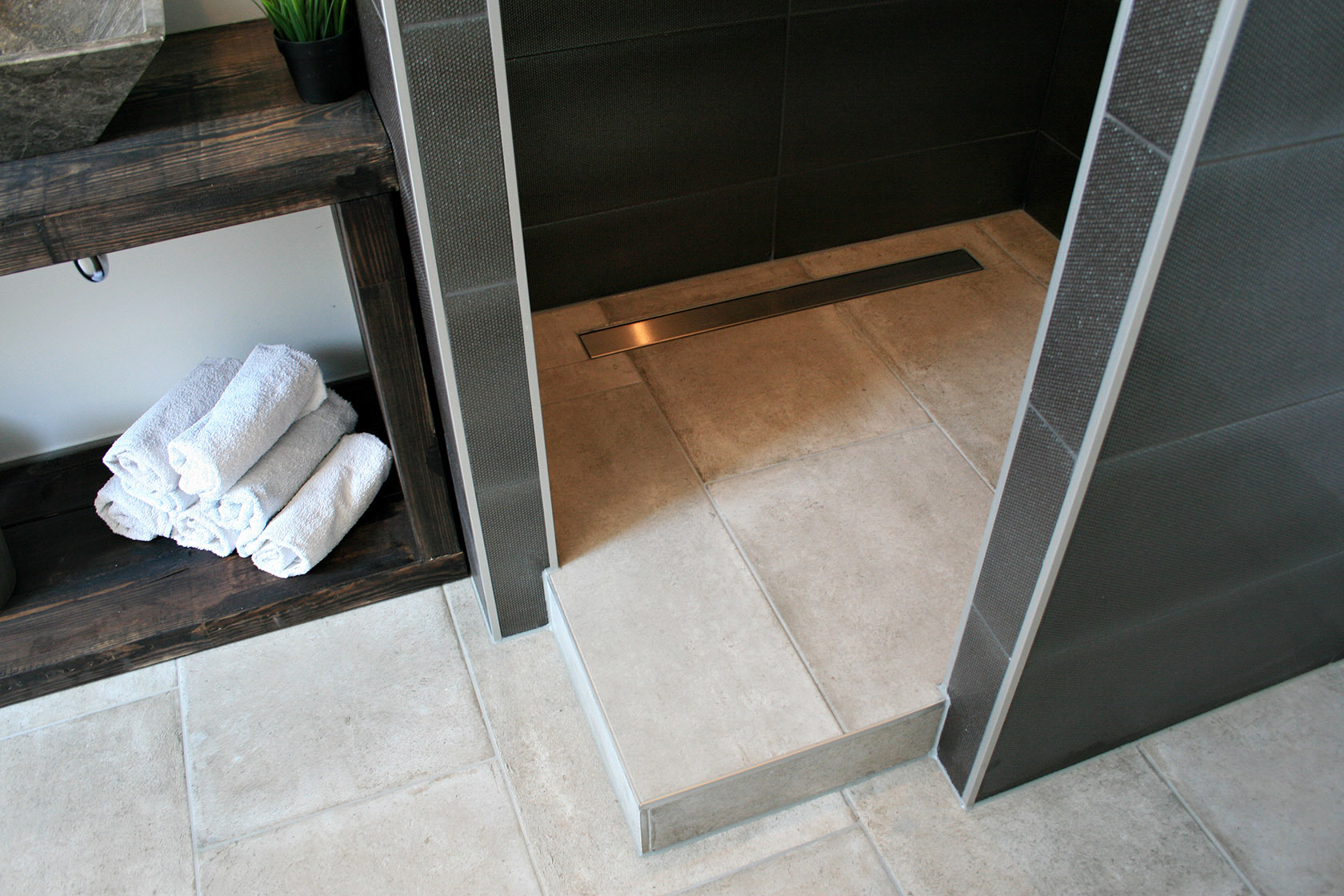
Replacing the classic shower cabin with a tray with a linear drain is an increasingly popular solution that will successfully work in almost any bathroom. Simply put, a linear drain is a way of gravitationally draining water from the room - water flows into a channel installed in the floor or wall connected to a siphon and then gets into the sewage system. The only visible element is the grate, which often also serves a decorative function - the most popular are models made of stainless steel available in matte or glossy versions. Bathroom fixture manufacturers also offer grates that differ in color and design - models equipped with LED lighting that create a unique atmosphere in a modern bathroom are gaining more and more popularity.
The linear drain is an extremely practical solution that is worth planning relatively early, preferably at the design stage of the bathroom - you can then adjust the floor height to the drainage parameters, which along with the siphon should be under the floor. If you are planning a renovation and replacement of the tray, it is worth consulting a specialist who will advise you on what steps to take to properly install the chosen drain and siphon.
Advantages of a linear drain
The main advantage is that a bathroom without a tray is easier to clean, more aesthetic, and clear. It allows much easier space management, and even maneuvering. Additionally, more and more concepts related to the installation of linear drains can be found on the market.
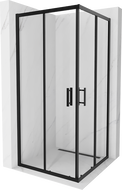
Thanks to the flat surface, it is much easier to clean the shower cabin, and soap scum does not settle as easily as in the case of trays. Additionally, this option is much safer, which is why more and more families with children, elderly people, and those who have difficulty walking decide on showers without trays. The design possibilities of such cabins are almost inexhaustible, here the designer is only limited by imagination. Manufacturers come up with interesting solutions in the form of doors to such cabins, which, for example, can be folded to gain extra space while performing other activities in the bathroom.
The linear drain is also a fantastic solution for a small, impractical bathroom, where every centimeter of space counts. By giving up a space-consuming tray, we can opt for a more comfortable washbasin or a spacious column, which will be useful for storing towels, cosmetics, or other bathroom essentials. For such a modern interior, we can also install a slightly larger cabin or a walk-in style solution without doors - the bathroom will not only become optically and really larger, but also more functional and stylish.
Disadvantages of a linear drain
The main disadvantage of a bathroom design without a shower tray using a linear drain is the higher cost. The linear drain needs to be properly installed in the floor or the wall. However, the most important thing is the appropriate profiling of the floor to direct the water towards the drain and create a safe surface to walk barefoot on.
An important issue, although not necessarily a disadvantage of such a solution, is the obligatory use of waterproofing, which will help protect the room and lower levels (often also neighbors) from flooding in the future. This procedure involves covering the walls with a special liquid foil, which we can apply ourselves or entrust this task to professionals. The cost of waterproofing is relatively small, yet worth its price.
Another element we mentioned earlier is the fact that such a decision should be made before laying the floor in the bathroom, because after finishing the bathroom, installing a linear drain may turn out to be impossible. The most important thing is to be guided by your convenience and the budget you can allocate for bathroom renovation. The specificity of bathroom renovations means that it's worth considering everything several times, because after tiling and flooring, making changes will be much more difficult. Besides higher costs and planning the drain before laying the floor - linear drains have recently been very popular.
Use of linear drains
Linear drains are increasingly found in private homes. Not only when arranging bathrooms in new apartments but also during major renovations. It's an ideal solution for the elderly who have trouble walking, and under such a shower, they can sit on a specialized chair, and in the case of larger cabins, also move freely in a wheelchair. Disabled people can enjoy the convenience of using a shower without a tray, as they will not have to overcome dangerous thresholds every day.
However, most commonly, linear drains are used in bathrooms in public places, such as pools and showers at gyms. Very often, bathrooms in such places are flat with a slight slope, and a line of linear drains is located at the end. Sometimes they are installed in the wall, in other cases on the floor. This situation allows for fast and efficient cleanliness maintenance in such places where different people take a shower. These types of solutions are very aesthetic and practical not only for users but also for those who clean the bathrooms.
What does the installation of a linear drain look like
The last important issue related to the linear drain is the installation of such a solution, which takes place in several stages and most often requires the help of a professional. The first step is, of course, finding the right set - it is worth choosing high-quality models, remembering that the lower the linear drain and siphon construction, the easier it is to fit it under the floor. The next installation steps are:
- installation of the sewage connection, or connecting the sanitary devices with the water pipe - at this stage, special attention should be paid to the slope of the flushing pipes, which should be about 2.5%;
- linear drain installation - it should be remembered about the proper placement of the drain grate, which should be located 1-2 millimeters below the floor level;
- installation of external elements - the grill is the most frequently chosen element, available in many different designs and colors, including with LED lighting;
- connecting the siphon and pipes to the sewage system - at this stage, it is worth checking the tightness of the installation by pouring water and observing whether each element is tight;
- waterproofing of the floor and walls - the previously mentioned procedure is good to repeat, that is, apply two layers of liquid foil;
- finishing - after pouring the screed we can start laying tiles, which should have class III or IV abrasion resistance. It is worth choosing those that are not porous, as only such have a non-slip surface. The final element of finishing is the application of epoxy grout, which is more flexible and durable than cement grout.