





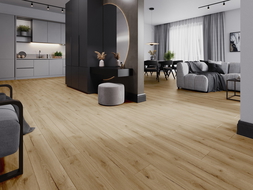



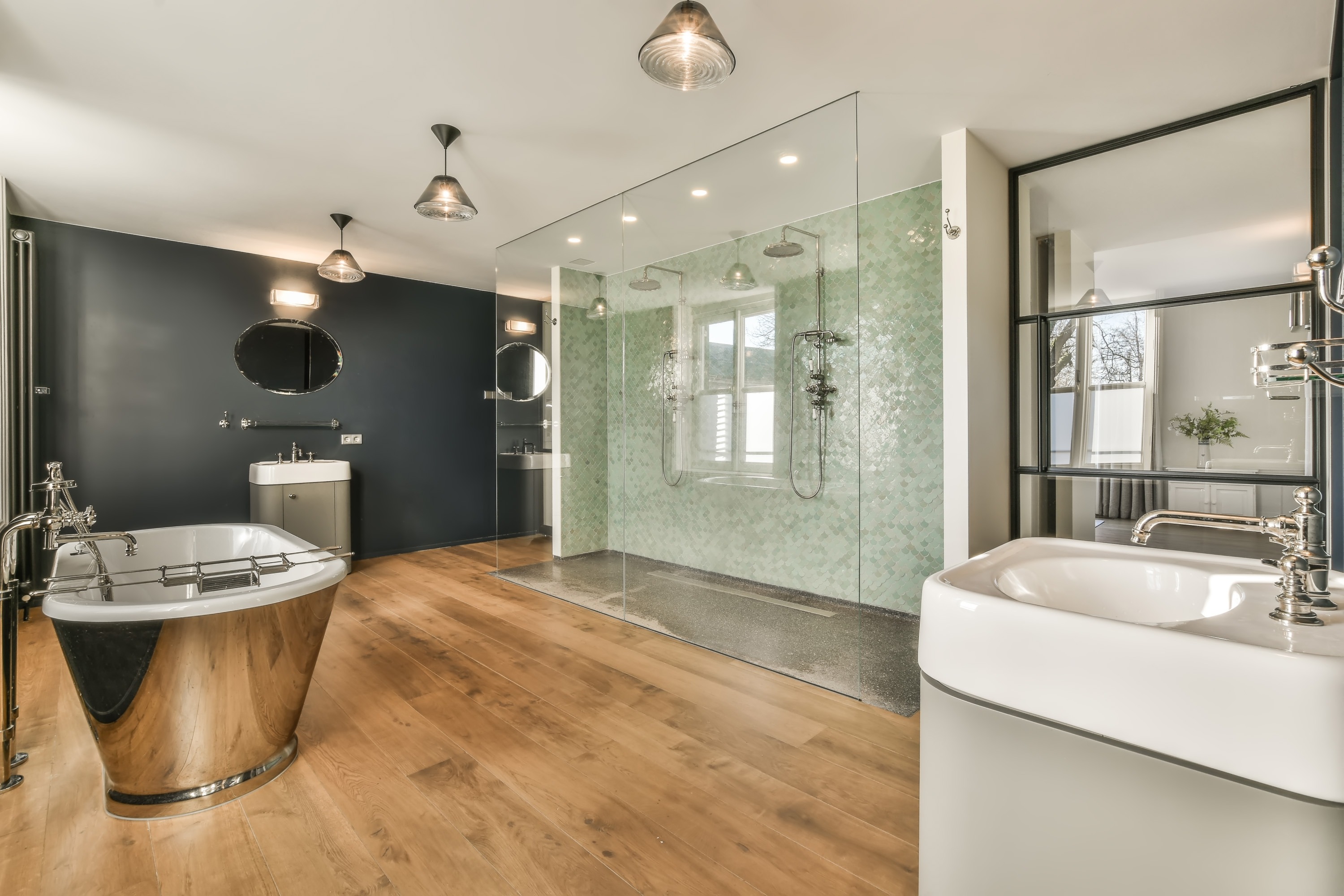
Connecting tiles with floor panels is a challenge that arises during renovation in many interiors, especially in open spaces where different materials meet on one floor. An aesthetic combination of two types of finish will positively affect the appearance of the room, but also protect the edges from possible damage and moisture.
In this article, you will find practical tips on how to make such a transition, avoiding the most common mistakes and maintaining the natural appearance of the floor. We will advise you on how to combine different floor materials in a functional and equally important — stylish way. Let your home look cohesive and harmonious.
What will you learn from this article?
Combining different materials, such as panels and tiles, definitely requires a thoughtful approach. This ensures that the resulting effect is not only aesthetic but also functional, making the interior comfortable for daily use.
In this article, we have prepared proven advice. They will help you create durable and elegant transitions without worrying that they will need to be replaced in a few months. Read our guide to find out:
-
How to avoid common mistakes when connecting panels with tiles?
-
How to install finishing strips to nicely connect floors?
-
When is it worth deciding on finishing strips, and when not to buy them?
-
What to do when you have tiles installed higher than panels?
Regardless of whether you plan tiles and panels in the same color, or completely different, you will find useful tips on connecting them here.
Correct installation of floor panels with tiles
By considering several key principles and remembering precision, connecting tiles with panels will look good and be durable. Did you know that expansion joints between panels and tiles are actually necessary? They enable the natural expansion of materials due to changes in temperature and moisture. Joints help prevent unsightly cracks, warping of vinyl panels, and other problems. It's also important to remember that they are necessary for underfloor heating, which uses, among others, PEX pipes.
If you are considering underfloor heating in your home, be sure to read: Underfloor heating – guide
The most important rules to remember during installation:
-
Order of work — it is recommended to lay tiles first, and only later fit the panels. This is because tiles are harder and more resistant to moisture. If you want to combine these materials, finish the tile area first, only then add panels.
-
Maintaining expansion joints — free space at the junction of both materials is crucial so they can naturally expand and contract.
-
Color and material consistency — a good option is to choose a harmonious combination of colors and textures so that the transitions achieved are subtle and elegant.
-
Choice of materials — don't buy random tiles or panels. Instead, pay attention to their technical parameters and compatibility. It is very important that tiles and panels have a similar wear class.
-
Height of both surfaces — a level difference may require slight floor leveling to make connecting floor panels with tiles safe and durable.
By following these principles, you will ensure that each room, regardless of whether it is small or large, will look harmonious and nice. Often connecting tiles with panels is not difficult.
Before starting any self-installation, remember about proper floor preparation. This guide will be helpful: How to prepare the floor for panels?
How to aesthetically connect tiles with floor panels?
An elegant connection of tiles with floor panels can be achieved using transition strips and stripless methods, which secure the gap and give the interior a modern character. However, keep in mind that connecting panels with tiles is not just a visual issue. Proper finishing protects both materials from dirt and temperature effects while protecting the edges from damage.
Depending on the type of room, the level of materials, and the effect you want to achieve, you can opt for aluminum threshold strips or use an equally excellent method, such as flexible filling. In either option, you can enjoy harmonious colors and the natural look of your floor.
And learn about the abrasion classes of vinyl panels and their significance here: What are the abrasion classes of vinyl panels?
Connection strips for panels and tiles that will add charm
One of the most common and hence simplest ways of connecting panels with tiles is using transition strips. You can choose threshold strips, flat transition strips, models made of aluminum, or stainless steel. Remember that the choice of the appropriate type of strip should depend on the level difference between surfaces and how we want the floor to ultimately look.
Flat transition strips are a great option for places where both materials have nearly the same level. By choosing them, you will achieve a modern effect and can enjoy the minimalist character of your space. Threshold strips, on the other hand, will help you level the height difference between panels and tiles, creating a durable connection that will also make daily cleaning easier. Already mentioned aluminum and steel strips are highly resistant to damage, and their nice finish makes connecting panels with tiles in the kitchen, living room, or bathroom look very professional.
Installing such strips usually requires not only the right elements but also suitable tools. It is worth choosing to use expansion plugs and a special pneumatic gun that ensures stable attachment to the floor and durability of the connection.
How to make a stripless connection of panels with tiles?
The alternative to strips is stripless methods, which are worth using with level surfaces between the two materials. The gap created can be filled with acrylic masses, silicone, or another sealing compound. The flexible fill will similarly protect the edges from moisture and give the interior a nice character.
The flexible joint works great with vinyl panels and wooden floors that are glued to the floor. It guarantees a durable connection, and the flexible joint provides high resistance to the natural expansion of materials.
Spray cork or other flexible sealing compounds are a good option for use in areas exposed to high traffic because they are durable and finish the gap aesthetically. They are pressed into the space between floors using a special pneumatic gun, as we have already mentioned. The stripless method is great, but it requires precise floor preparation and proper fitting of individual materials.
How to connect panels with tiles that are at different heights?
The level difference between panels and tiles is a common problem, especially in older apartments or when using very different floor materials. The simplest solution is to use the mentioned strips, which effectively mask irregularities and provide a durable connection of tiles with panels.
However, you should choose threshold strips that actually equalize differences, these are models with one-sided slope that minimize the risk of tripping and are great for differences covering several millimeters. Choose them to achieve an aesthetic effect even in very large spaces.
Pay attention to details and enjoy aesthetic floor finishing
Now you know how to connect panels with tiles in the kitchen, living room, or bathroom. Here, it's not just about matching similar materials, but also about installing them skillfully. The described strips and masses allow you to easily match floors and create smooth transitions that will simply look nice. And it doesn't matter whether you are interested in aesthetically finishing a gres floor or with small hexagonal tiles.
Related products


Mexen Amsterdam vinyl panels 1240 x 182 mm SPC 6.5 mm, IXPE underlay 1.5 mm, 4 V-Groove, Oak - F1042-1240-182-505-4V1-01
€32.20/m2 -19.91%
€25.79/m2List price: €32.20/m2
Lowest price: €25.79
Availability: In stock
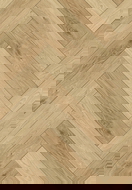
Mexen Anniston vinyl panels herringbone 635 x 127 mm SPC 6.5 mm, IXPE underlay 1.5 mm, 4 V-Groove, Oak
€33.20/m2 -19.91%
€26.59/m2List price: €33.20/m2
Lowest price: €26.59
Availability: In stock


Mexen Bliss White glazed rectified porcelain tile G1, floor and wall tile 120 x 60 cm, gloss - TL149-120-060-00
€35.71/m2 -19.92%
€28.59/m2List price: €35.71/m2
Lowest price: €28.59
Availability: In stock

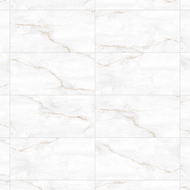
Mexen Brakel White Glazed Rectified Porcelain, Floor and Wall Tile 120 x 60 cm, Glossy - TL110-120-060-01
€35.71/m2 -19.92%
€28.59/m2List price: €35.71/m2
Lowest price: €28.59
Availability: In stock
Mexen Morella Bianco glazed porcelain rectified G1, floor-wall tile 60 x 60 cm, carving - TL412-060-060-00
-19.91%
List price:
Lowest price: €25.79
Availability: 2026-04-14