

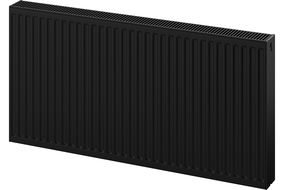
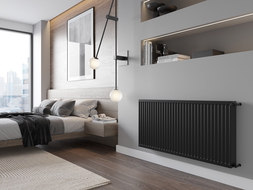
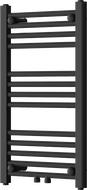
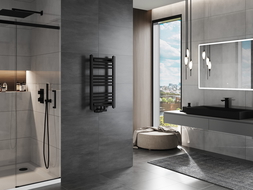




Bleeding a bathroom radiator is a very important task if the radiator is not working properly. Why? There are several reasons. In bathrooms, it's not just about thermal comfort - these rooms, due to their purpose, are more prone to the development of mold and fungi. Therefore, the temperature should be higher than in the rest of the apartment or house.
What if the radiator is not working properly? How to bleed a bathroom radiator? Below you will find a practical guide to help you carry out this process step by step.
Bleeding a Bathroom Radiator - How to Do It?
Bleeding a radiator depends on its type - some bathroom radiators are equipped with a bleeding system that automatically removes air from the heating system. You can find them in our store mexen.pl.
In other cases, you need to manually bleed the radiator. To do so, follow these steps:
- prepare the appropriate tools - you will need a flat spanner or an adjustable wrench, a water container, and a cloth to wipe wet elements;
- turn off the heating (turn off the thermostat) - hot water and steam escaping from the radiator could cause burns;
- locate the bleeding valve - it is usually the so-called upper union placed in the upper part of the radiator;
- open the valve - using a flat spanner, carefully open the bleeder valve. You will hear a characteristic hissing noise - that's the air escaping from the radiator. The bleeding process will end when only water is coming out of the bleeder. Remember to place a bowl under the radiator;
- if the water flows evenly from the radiator and you don't hear any hissing, you can close the valve – the bleeding process is successfully completed.
How to Bleed a Bathroom Radiator Without a Bleeder?
If you have an older type of radiator in the bathroom without a bleeder, you can also remove the accumulated air yourself.
Just perform the following simple actions:
- get two flat spanners, a bowl, and a cloth to wipe the floor;
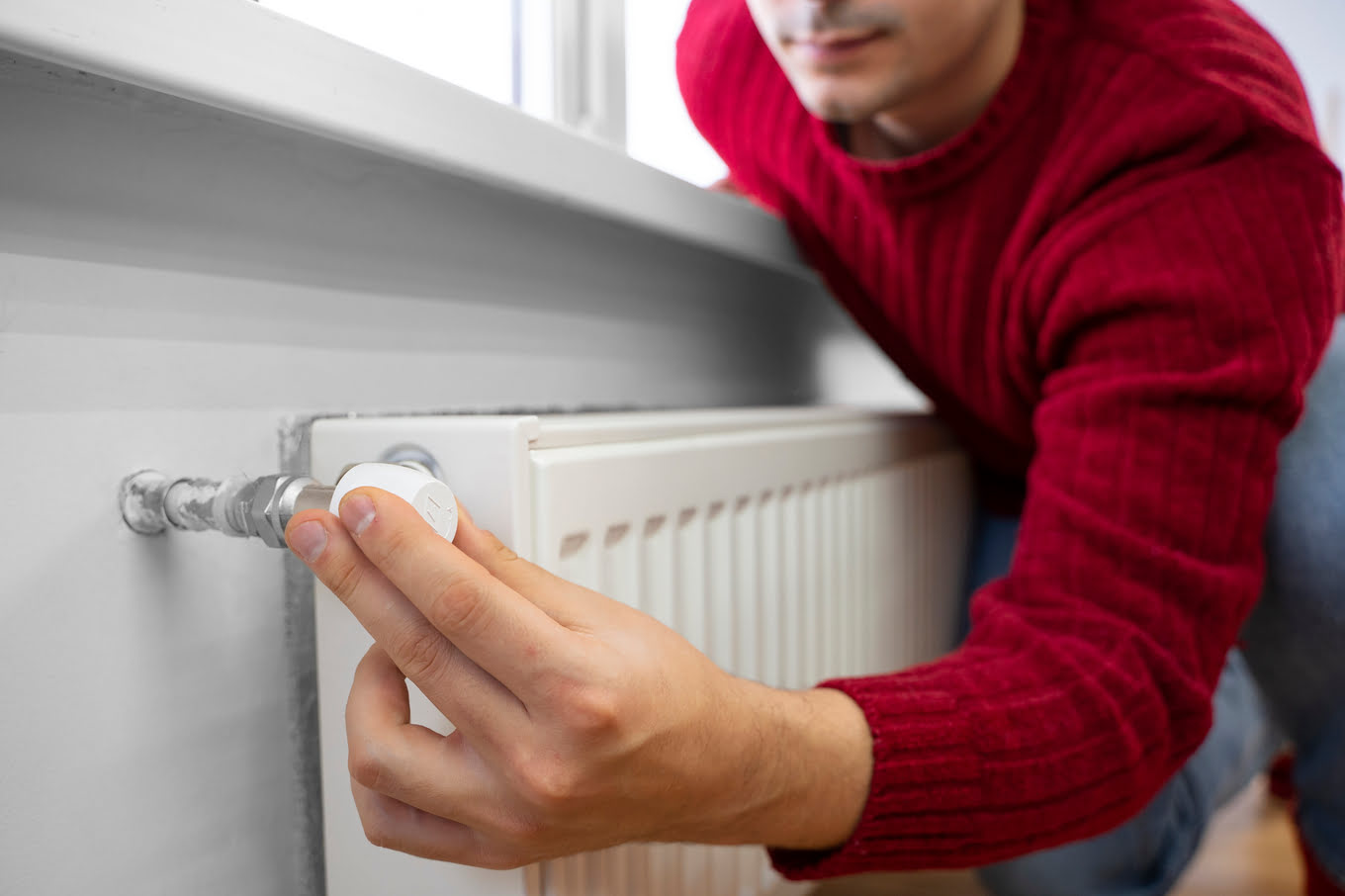
- cut off the water supply to the radiator - turn the thermostatic head to 0;
- place a bowl on the floor under the screw between the thermostat valve and the radiator water inlet;
- with one spanner, unscrew the screw closer to the radiator, and with the other, hold the screw behind the thermostat valve;
- you'll hear hissing indicating the removal of air from the radiator, when water starts coming out, tighten the screw. Done!
How to Recognize an Airlocked Radiator?
Despite the radiator being on in the bathroom, the room temperature does not reach the expected level? The cause may be an airlocked radiator. To make sure it's not just your subjective feeling, check if the radiator is airlocked. How to do it?
- Check the radiator's temperature - touch the radiator with your hand - both the top and bottom. This way, you'll find out if the heat is distributed evenly. If some parts of the radiator are cooler than others, it probably means it is airlocked;
- pay attention to strange noises – do you hear knocking or gurgling in the radiator? Air may have accumulated in it, hindering proper water flow;
- check the pressure in the heating system – low pressure can indicate the presence of air in the pipes and radiators. Read the pressure gauge on the boiler or the filling valve;
- measure the temperature in the bathroom – if it is lower than usual and the thermostatic valve is set at a constant, it might mean it's time to bleed the radiator.
If you notice any of the above symptoms, there is a high probability that the bathroom radiator is airlocked. Now is the time to take action!
Causes of Radiator Airlocks
Radiator airlocks can occur for many different reasons - some of them are beyond our control. In most cases, the problem can be avoided.
Here are the most common causes of radiator airlocks:
- improper system filling – air can enter during water filling into the pipes or radiators. This happens when the process is carried out quickly and carelessly;
- a leaky heating system – leaking water can cause air from outside to enter the system. Leaks can occur at pipe joints or due to damaged valves or gaskets;
- faulty bleeding valve – a malfunctioning system prevents air extraction from the radiators;
- too low pressure in the heating system;
- improper use of bleed valves - radiators should be equipped with bleed valves allowing the removal of accumulated air. If they are improperly used, it can lead to airlock problems;
- system contamination - contamination in the heating system can block water flow and promote the accumulation of air.
Identifying the cause of the radiator airlock will help prevent the problem from recurring in the future. If the problem persists and self-bleeding does not bring the desired result, it is worth consulting a professional.
Why Should You Bleed an Airlocked Radiator?
Air accumulated in the heating system can disrupt its operation and thus prevent proper room heating. A properly bled radiator will ensure effective and even operation of the device, which will also translate into energy savings.
Uneven heating of the radiator, bubbling, and water noise are the most common signs of air in the radiator. However, it is also worth remembering that air can cause internal corrosion in the radiator, contributing to its faster wear.
In the article, we described how to bleed a ladder-type bathroom radiator without the need to call a specialist. Remember, regularly bleeding the bathroom radiator will help maintain the proper operation of the entire heating system in your home.