




The heating season is a time when the home hearth should be associated with warmth and relaxation. Unfortunately, reality can be different: cold rooms, annoying sounds of flowing water in the walls, and energy bills that seem unjustified by the temperature inside the apartment. If these problems sound familiar, the solution is usually simpler than you think. Bleeding the radiator is a key maintenance task that every homeowner should master to ensure optimal comfort and avoid heating system failures.
In this article, we will not only guide you through the step-by-step instructions but also delve into the specifics of different radiator types – from bathroom to decorative – and explain how modern Mexen heating technology helps maintain the optimal climate in your interior. You'll learn how to bleed a radiator so that your system works quietly, efficiently, and without failure for many years.
Why Do Air Bubbles Appear in the System?
Many users wonder where air bubbles come from in a closed central heating system. There can be several causes of radiator airlocks, and understanding them allows for better diagnostics of the entire central heating system:
- Filling and Losses: When refilling the system (e.g., after summer service), oxygen enters the pipes with the liquid. Even tap water contains dissolved gases, which are released as microbubbles due to temperature.
- Oxygen Diffusion: In systems made of old-type plastic pipes without an anti-diffusion barrier, oxygen molecules can penetrate directly into the heating medium through the pipe walls.
- Chemical Reactions: This is especially important in the case of an aluminum radiator. If the water has the wrong pH or there are copper elements in the system, electrolytic corrosion occurs, producing hydrogen. In such cases, regular bleeding of the aluminum radiator is necessary.
- Leaks: Minimal losses at connections, pumps, or valves can suck in air, especially when there is a temporary vacuum in the system caused by the work of the circulation pump.
Regardless of the cause, bleeding the radiator is essential to prevent oxygen from causing internal corrosion, which destroys both traditional radiators and modern heat exchangers. Corrosion leads to deposits that block the thermostatic valve and reduce the pipes' flow capacity.
Symptoms of an Airlocked System – When to React?
An airlocked radiator is not only a temperature problem. Be alert to loud noises in the system, such as gurgling, murmuring, or banging. Wondering when the radiator is airlocked? Here are the most common signals:
- Low temperature at the top of the device while the bottom remains hot.
- Increase in energy bills while the heating efficiency of the rooms decreases.
- Audible hissing when trying to adjust the thermostatic head setting.
- Characteristic "pouring" sound audible in the quiet of night.
If you notice these symptoms in a room, it means that there is a significant amount of air in the system, and you should immediately bleed the radiator. Ignoring this state can lead to permanent installation damage and the need for costly replacement of the circulation pump. Remember, radiator airlocks should not be overlooked, as oxygen in the system drastically accelerates metal destruction processes.
Preparing the Site – How to Bleed a Radiator Safely?
Before you start bleeding the radiator step by step, gather the necessary tools. Avoid using pliers that could damage the delicate bleed valve. You will need:
- A special key (standard 5 mm) or a flat screwdriver.
- A container for water (a flat bowl or cup).
- An absorbent cloth to protect the floor and walls.
Remember the key rule: before you begin, turn off the heating. A running pump mixes water with air, creating an emulsion that cannot be effectively removed through a small outlet. Wait until the radiator cools down – hot water under pressure could cause painful burns, and metal components contract during cooling, making valve manipulation easier.
Radiator Bleeding – Step-by-Step Instructions
Follow the below procedure to properly bleed a radiator in a closed circuit and restore its full efficiency. The correct order is crucial here:
1. Preparing Pressure and Thermostat
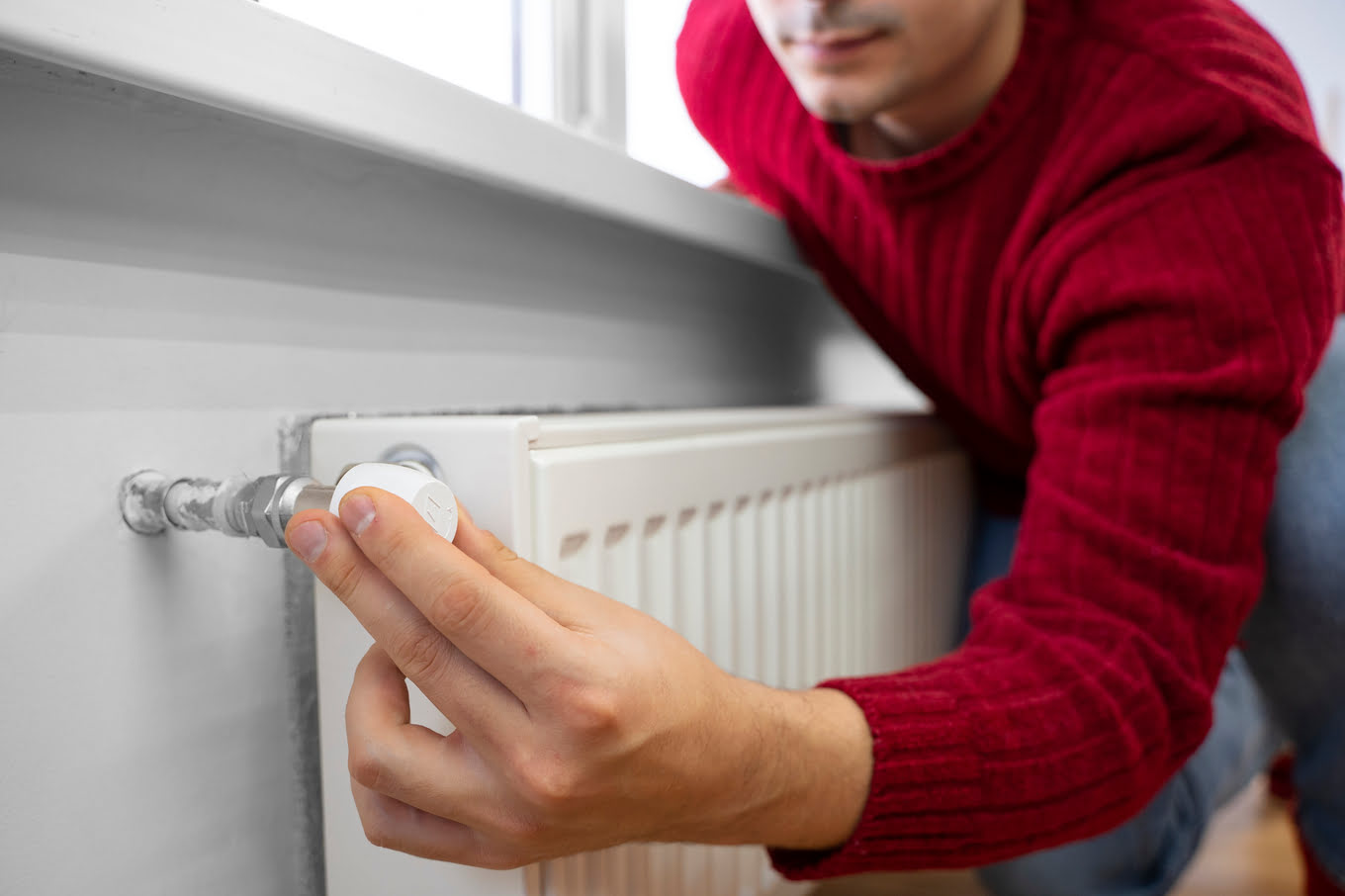
Make sure the circulation pump is off. Then set the thermostat (thermostatic head) to the closed position ("0" or star) – in some models, you need to turn the thermostatic valve to the stop. This will cut off the water supply and allow gases to concentrate at the highest point, without being dispersed by incoming liquid.
2. Working with the Bleed Valve
Locate the bleed valve located at the top of the radiator. Place the container under the outlet. Insert the key into the bleed screw and slowly turn it counterclockwise. Turn the valve only half a turn – you'll hear a characteristic hiss.
3. Final – When to Stop?
Patiently wait until the hissing stops and the water begins to flow. When the water starts flowing consistently and smoothly without bubbles, promptly close the valve. Do not perform actions such as draining a large amount of water from the radiator – this is a mistake which lowers the system's pressure. A few drops are enough to ensure the air is gone.
4. Post-Procedure Check
After bleeding all units in a single-family home, check the pressure gauge at the boiler. If the pressure has dropped below 1.2 bar, refill the water. Finally, turn the heating back on and check if all devices heat evenly over their entire surfaces.
Types of Radiators and Work Methodology
Mexen offers a variety of radiator types, each requiring a specific approach during maintenance. Knowing how to perform radiator bleeding will help you avoid technical errors.
Bathroom Radiators (Ladder-Type)
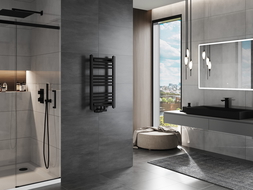
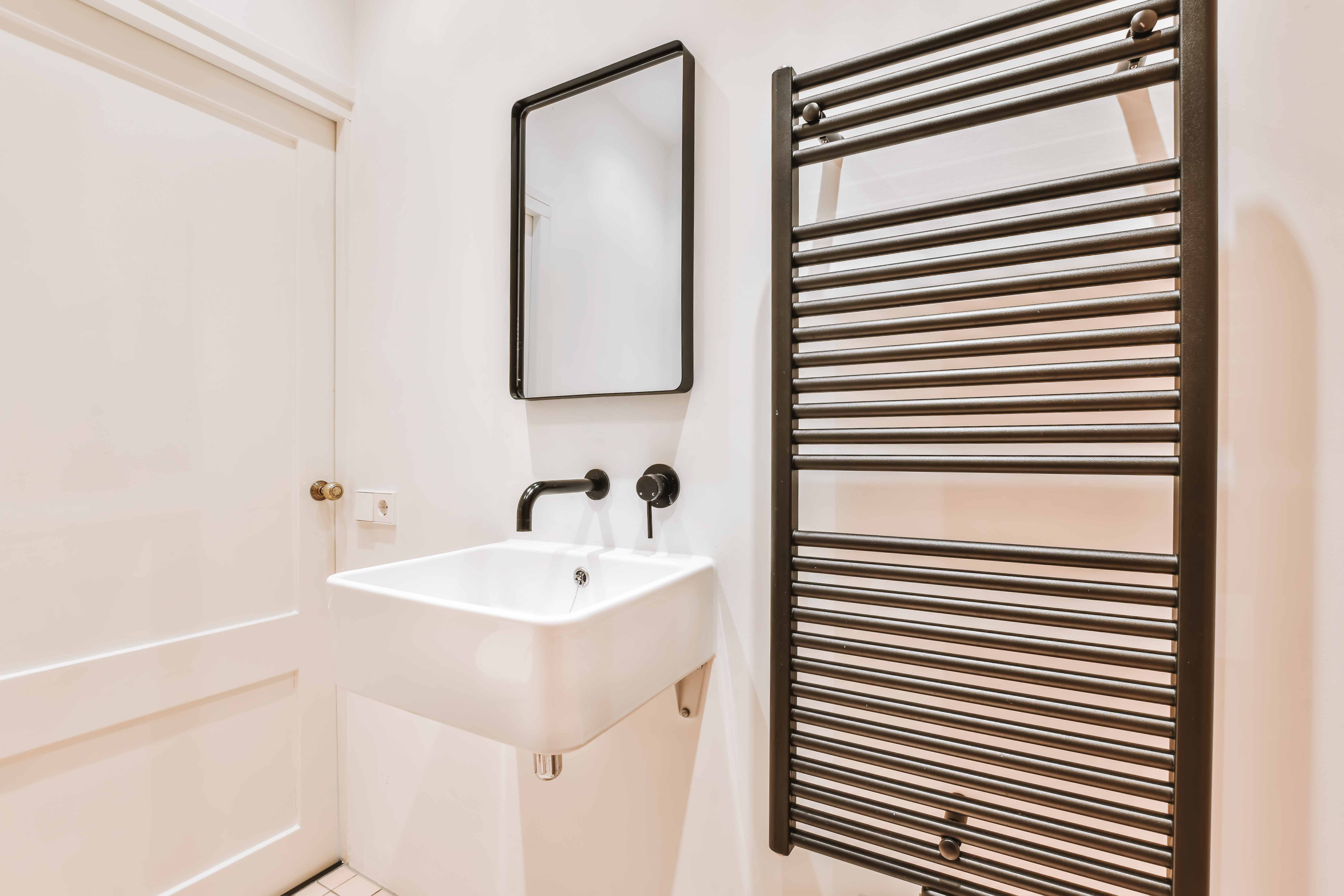
Bathroom radiators are often subject to airlocks due to their vertical design. A bathroom radiator usually has a vent installed at the top of one of the vertical collectors. When servicing ladder models, be careful not to let water stain the joints and walls – always cover the valve with a cloth to direct the liquid straight into the container.
Decorative and Panel Radiators
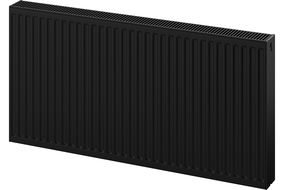
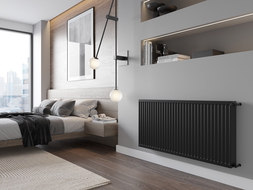
Modern decorative radiators and Mexen panel radiators come with factory-installed vents that are discreetly hidden behind aesthetic covers. In panel radiators, gas often accumulates in the corner on the opposite side of the supply. If you have radiators installed in hard-to-reach places (e.g., under low windowsills), consider getting a key with a longer handle to facilitate access to the screw without scratching the finish.
Aluminum and Sectional Radiators
- Aluminum radiator maintenance should not be performed near open flame. Remember: bleeding an aluminum radiator carries the risk of hydrogen release.
- Bleeding a cast-iron radiator (sectional radiator) requires more strength and precision. Old, traditional radiators often lack modern valves. Sometimes you need to loosen a large screw at the hot water supply pipe. Bleeding an old-style sectional radiator may require flat wrenches in two sizes. If unsure how to bleed a cast-iron radiator and the screw is resistant, it's better to call a professional, as old hemp gaskets are easily breakable, leading to flooding.
Automation – Automatic Bleeders
If you want to avoid manual key-turning, the solution is an automatic valve. Such automatic vent valves contain an internal float that descends when gas appears, opening the outlet. This is an ideal solution for risers in a single-family home, especially in hard-to-reach places. However, it's important to remember that automation can calcify over time, so it's worth checking its performance before each season. Radiator airlocks with such valves are less common but require monitoring the system's pressure.
Economy and Ecology: Why Should You Care for Your Radiator?
An airlocked system translates into real financial losses. When air blocks the flow, the gas boiler has to work harder to reach the set temperature, generating unnecessary costs. Bleeding the radiator ensures quick heating and extends the life of the circulation pump, which doesn't have to combat the resistance of air locks. Regular maintenance using step-by-step instructions can save as much as 15% annually!
By choosing Mexen radiators, you are investing in high-efficiency products that work perfectly with modern control systems. Our technology allows for full efficiency with less water in the system, which promotes ecology and reduces the system's thermal inertia.
Advanced Diagnostics: When Simple Bleeding Doesn't Help?
Sometimes, even if you know how to bleed a radiator, the problem returns after a few days. This may indicate:
- A damaged expansion vessel: If pressure surges happen rapidly with each water heating.
- Microleaks: Even an invisible leak under the plaster can cause air suction during the system's cooling.
- A faulty pump: Which, at too high speeds, can cause cavitation.
In such situations, bleeding the radiator is only a temporary solution, and a professional inspection of the entire heating system is necessary.
Common Mistakes During Bleeding – What to Avoid?
- Bleeding with the pump on: Air is then dispersed in the water and impossible to remove.
- Overtightening the screw: Fully unscrewing the screw under pressure is an easy way to flood your apartment.
- Lack of pressure control: Always check the pressure gauge after the procedure!
- Incorrect order: Remember to start with radiators closest to the boiler and finish on the highest floors.
Summary – Choose Comfort with Mexen
Proper radiator bleeding is a simple yet crucial task that guarantees peace and warmth throughout the winter. Thanks to our knowledge, you now know what to pay attention to in the case of aluminum, steel, or old-style sectional radiators. Remember, a well-functioning system means lower expenses and greater comfort for your family.
If your current heating devices are old, corroded, or not bringing results, check out Mexen's offer. Our decorative, panel, and bathroom radiators are synonymous with quality and modern design. Each bathroom radiator in our offer is designed for easy installation and many years of maintenance-free operation. By using the best materials, our products facilitate radiator bleeding and ensure the highest thermal comfort.
Visit Mexen.pl, check out the available models and invest in a system that takes care of your wallet and comfort. With us, every winter will be warm, quiet, and fully controlled! Our technical support will help you choose the best accessories to make operating the heating system a pure pleasure.
Would you like to learn how to match the right thermostatic valve to your new radiator? Or maybe you need advice on what size radiator to choose for your bedroom to ensure quick heating? Contact our consultants – we will be happy to help you create the perfect system, tailored to your needs!
Related products
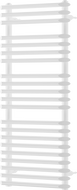
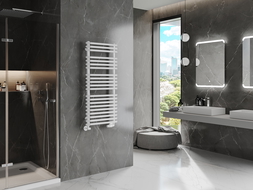
Mexen Akan bathroom radiator 1080 x 500 mm, 784 W, white - W121-1080-500-00-20
€467.80 -19.99%
€374.29List price: €467.80
Lowest price: €374.29
Availability: In stock

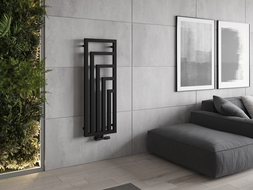
Mexen Alaska Decorative Radiator 1216 x 440 mm, 542 W, Black - W205-1216-440-00-70
€299.90 -19.98%
€239.99List price: €299.90
Lowest price: €239.99
Availability: In stock
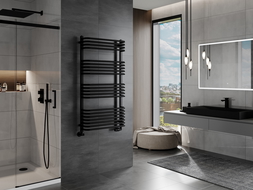
Mexen Apollo bathroom radiator 1210 x 650 mm, 713 W, black - W117-1210-650-00-70
€178.60 -19.99%
€142.89List price: €178.60
Lowest price: €142.89
Availability: In stock

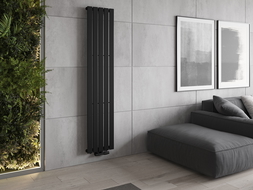
Mexen Boston decorative radiator 1800 x 376 mm, 740 W, black - W213-1800-376-01-70
€230.30 -19.98%
€184.29List price: €230.30
Lowest price: €184.29
Availability: In stock
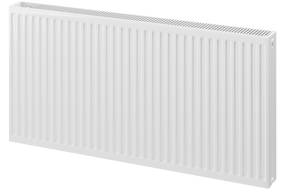
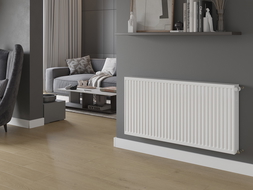
Mexen C22 panel radiator 600 x 1400 mm, side connection, 2314 W, white - W422-060-140-00
€198.20 -19.98%
€158.59List price: €198.20
Lowest price: €158.59
Availability: In stock