







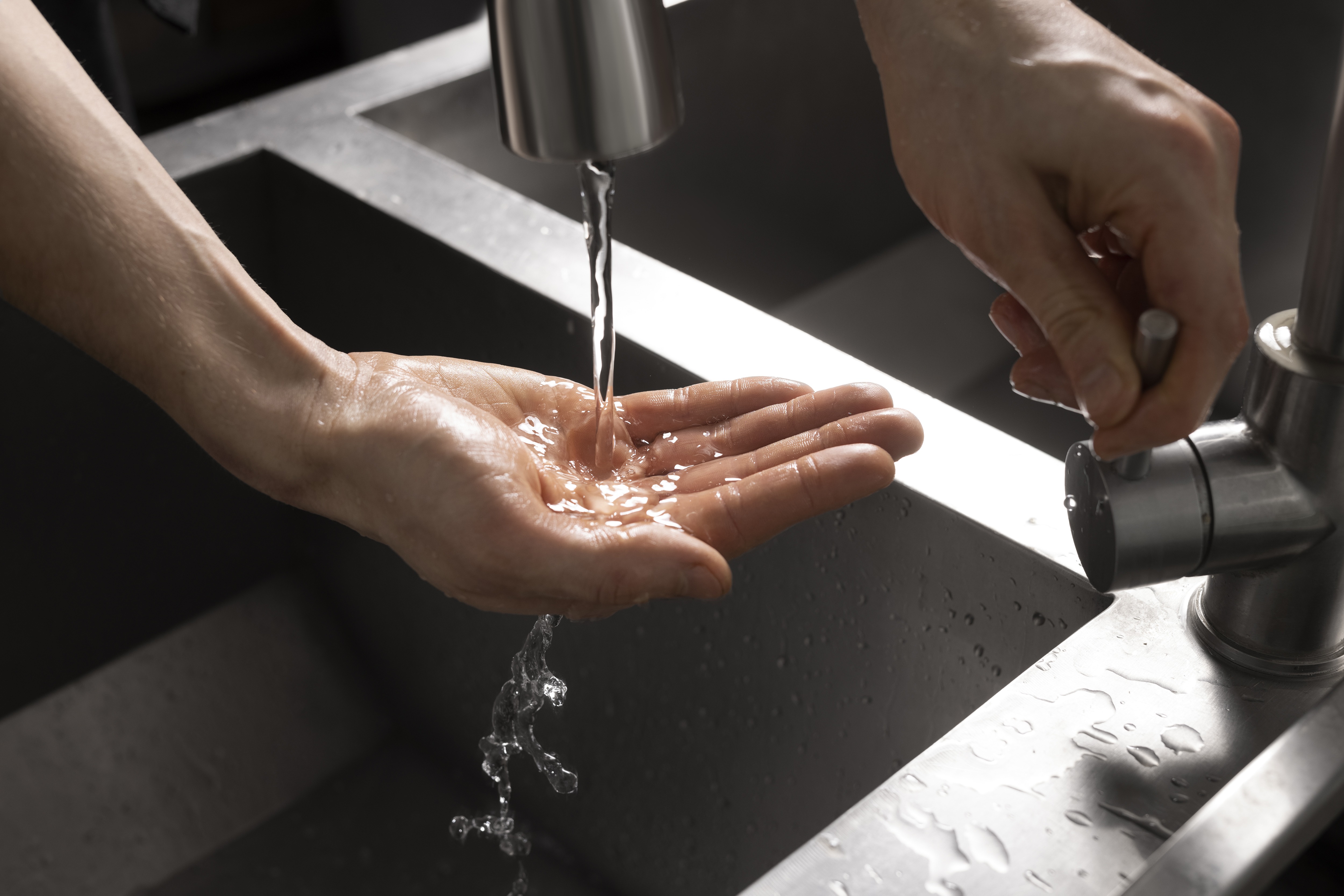
With simple changes, you can easily reduce household bills and take care of the environment. Remembering good habits will help you easily reduce water usage without sacrificing comfort or free use of the kitchen or bathroom.
If you want to make changes in your household budget and care about environmental protection, be sure to check out our article.
What Will You Learn from This Article?
If you're wondering what actions can help reduce water usage at home, our guide will surely appeal to you. You will find answers to questions such as:
- How to easily reduce water usage?
- Which appliances consume the most water?
- How many liters of water do we use for hand washing versus using a dishwasher?
- Does collecting rainwater work for later garden watering?
We'll show you today that effectively saving water doesn't have to be complicated or time-consuming. Yes, sometimes small changes can lead to great effects.
Why Is It Worth Saving Water at Home?
We have already pointed out that saving water is significant not only for the household budget but also for the environment! Unfortunately, using running water carelessly and in large quantities may lead to exceeding real needs. Do you know that the average water consumption in a household is several dozen liters per day per person? Excessive use is often related to lack of control and habits that allow for savings. Although it's not much daily, such consumption annually results in huge losses.
Water is one of Earth's most important natural resources. Its presence is essential for our lives and environmental balance. Daily habits can lead to significant savings and lower bills.
If you are interested in climate change, you surely realize that reduced water demand can effectively reduce greenhouse gas emissions.
By limiting our consumption, we also ensure easy water access for future generations. While you might think you're not using large amounts of water, consider whether, in some situations, you might use more than necessary unconsciously.
Proven Ways to Save Water
The good news is that there are many ways to save water. It's not about suddenly stopping showers or limiting handwashing to protect the environment. The key changes are ones that won't significantly affect us but will lead to significant water savings in the long term.
Discover some popular ways to save water:
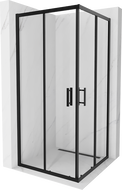
- Opt for quick showers instead of long baths. A standard tub uses 100-200 liters, while a quick shower is about 30-50 liters. The savings are visible at first glance. If you don't have a shower cabin, avoid filling wann to the brim.
- Remember to turn off the water while brushing teeth, shaving, and soaping up. Assume these activities take about 15 minutes daily. If you always do them with an open tap, you're wasting clean drinking water. Set a cup in the bathroom to use when rinsing after brushing. Another step to save water.
- Invest in a thermostatic faucet and a showerhead with a flow restrictor. These technologies allow easy stream and temperature adjustment. A percolator gives the impression of more water flow than reality.
- Replace classic WC flush with a dual flush system. With each toilet use, you'll choose between a smaller or larger water amount. Each flush can save several liters! It's great if the flush is equipped with a valve to interrupt flushing anytime.
- Don't throw food residues, cotton, and hygiene products into the toilet. Instead of flushing with running water, dispose of them in the appropriate bin.
- Fix faults immediately. A leaking tap and a faulty kitchen mixer can lead to several liters of water loss daily. Address malfunctions quickly and remember the importance of regular fixture checks.
In repair topics, read: Leci woda ze spłuczki podtynkowej - czas ją naprawić
What Else Can Be Done in the Household to Save Water?
Weʼve already shown you several ways to reduce the use of many liters of drinking water. Although these practices differ, surely you see that none is truly troublesome.
In terms of drinking water, it's worth knowing: Jaki filtr do wody pitnej pod zlew wybrać? Jak to działa?
What Else Can You Do?
- Use a dishwasher. Unfortunately, hand-washing dishes under running water is time-consuming and uneconomical. Standard programs can save 30% of water per use.
- Prefer ECO programs. Though they usually take longer, long cycles use less water and energy. This applies to both the dishwasher and washing machine. Use hand washing only when necessary.
- Donʼt run partially loaded appliances. For effective water saving, only operate the washing machine and dishwasher when theyʼre full.
- Shop consciously. Remember that each product has a water footprint—the amount of water used in its production and transport.
If you have a garden, you donʼt have to give up on regular plant watering. It's even unadvised. Collecting water and reusing it for watering is a great option. Place buckets on the lawn and collect rainwater. Old barrels and bowls work well too. You can put them under a downpipe for water collection.
This water literally supports the growth of acid-loving plants. Including heathers, azaleas, and blueberries. Rainwaterʼs slightly acidic pH, along with its nutrients, acts as pleasant fertilizer.
Rainwater can also be used to clean tools or even wash a car! Cold water without chlorine or scale wonʼt leave marks or deposits and enhances detergent foaming. Add a floor cleaner for additional use.
An excellent alternative to manual mops, which usually consume a lot of water, are mopping robots. They use much less water and dispense it precisely. Avoids overflow and unnecessary use.
Heavy rains can easily provide enough water for weeks of use. Rainwater can replenish a pond too.
Reduced water usage is achievable in gardens, kitchens, toilets, and bathrooms.
On this note, read: Jak oszczędzać wodę pod prysznicem - rozwiązania produktowe, które warto zastosować
Reduce Water Usage and Opt for Reusing
Some water-saving methods are intuitive. Everyone knows itʼs smart to turn off water while brushing or rinsing teeth.
Not everyone realizes watering plants at the right time helps save water. Mornings minimize water evaporation from soil and leaves before plants can absorb it.
Unexpected ways to save water include washing fruits and vegetables in a bowl. Use less water, and it becomes reusable for watering flowers.
Collect cold tap water while waiting for it to warm. This water can later hydrate plants or clean floors.
Cooking without salt? Preserve water instead of pouring it out. Cool it down and reuse it. This is just a fraction of ways to save water and support the local climate.
Donʼt Waste Water and Care for the Planet
It's simple to reduce daily water consumption. As seen, lifestyle changes are unnecessary, nor abandoning favorite activities. There are many ways to save water, so everyone can find a method without hassle.
Being eco-friendly lowers monthly bills. Busy routines hide unintentional water waste. A dripping tap disturbs with sound and impacts water bills.
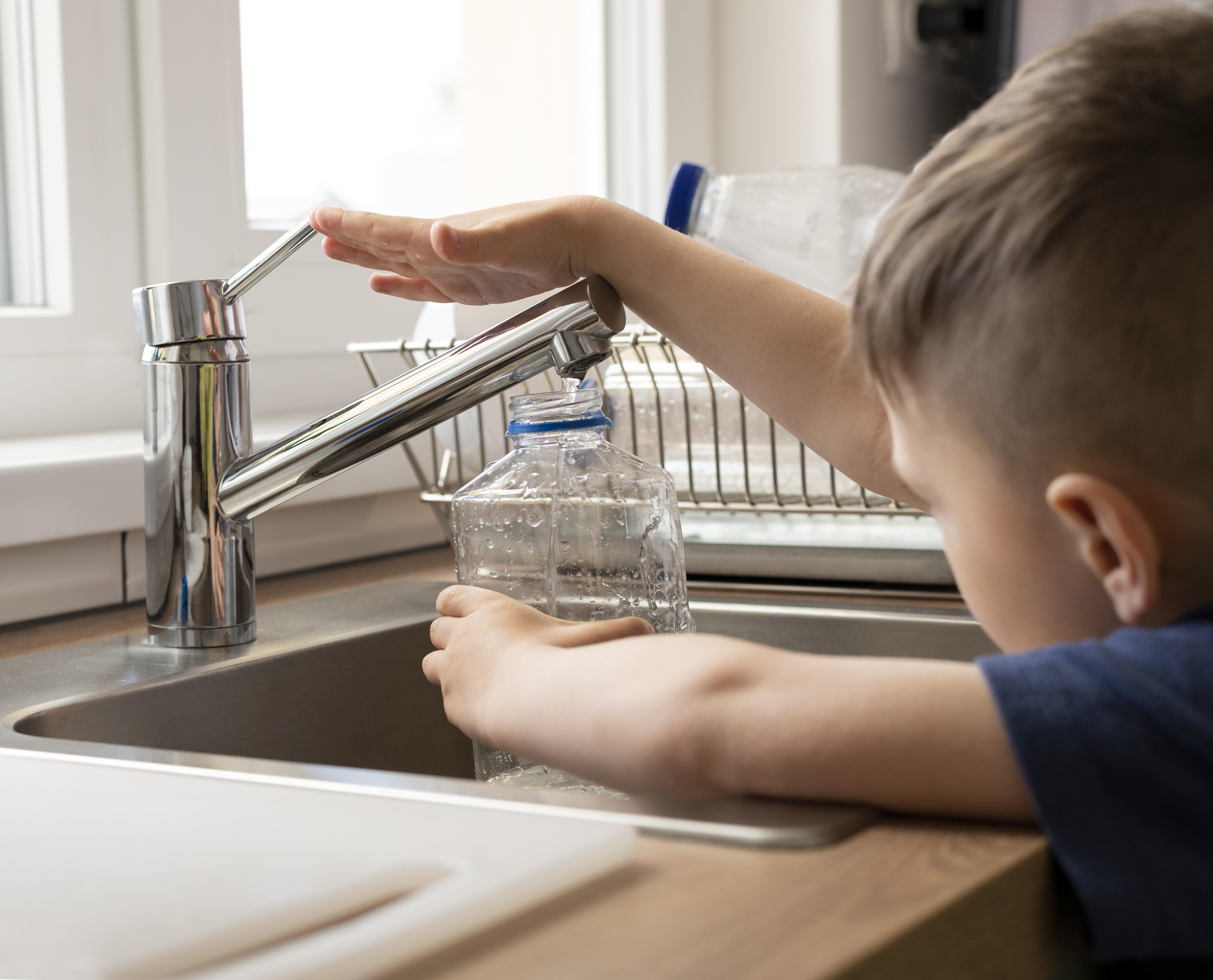
Remember water's value and educate loved ones. Encourage good habits in children to make saving water natural.
Small changes add up to significant savings. Results may not be immediate, but you'll notice savings after a few months.