


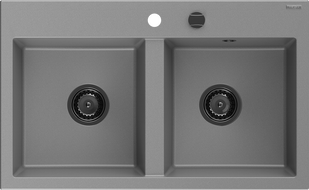












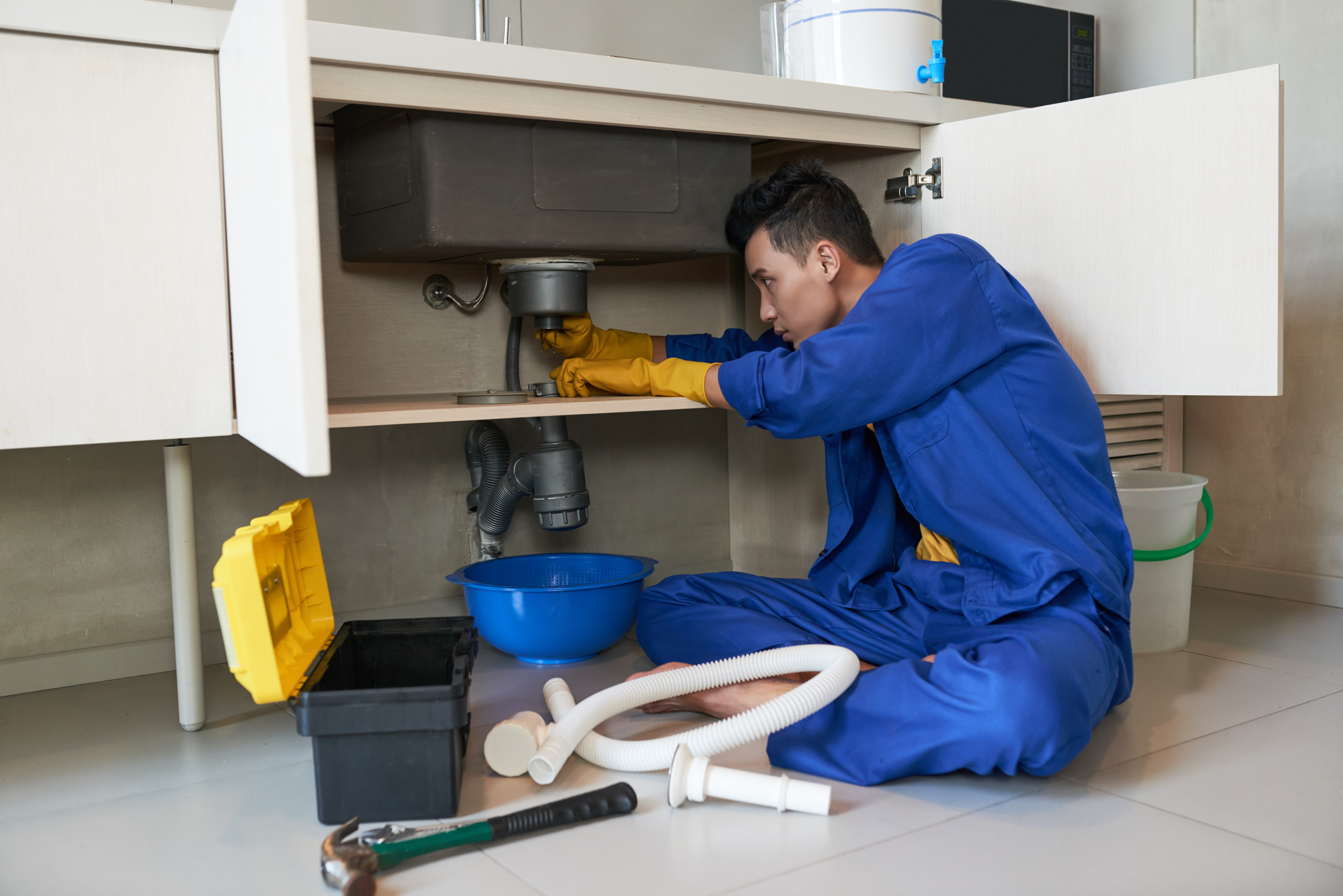
Accumulation of dirt is a natural consequence of using the sink or basin in every home. The kitchen sink is particularly prone to clogging, as food scraps and grease accumulate in it. However, this is no cause for concern - regular cleaning will keep the sink in good condition and avoid the need for a plumber. How to unclog a sink? Learn home remedies and specialist means.
Why does the sink trap get clogged?
A clogged drain is a natural phenomenon in every kitchen. After every wash, the sink is full of food scraps, coffee and tea grounds, grease, and other impurities. When there is too much of it, the drainage hole cannot keep up with draining the water. Residues flushed on an ongoing basis can also settle in the drain pipes, creating a mass that can cause a blockage. Another consequence of a blocked sink is an unpleasant smell from the pipes. To avoid this, you need to keep the sink relatively clean as often as possible.
Clogged sink - what to clean with?
A clogged sink can be dealt with in several ways: using home remedies or chemical agents. Among natural methods, baking soda and vinegar are effective, allowing you to unclog the sink without inviting a plumber home. These methods work both in the kitchen and the bathroom.
Clogged sink - home remedies
Products to clean the trap that are found in the kitchen include baking soda and vinegar. These are cheap and effective ingredients worth reaching for to make preparations to unclog pipes. How to unclog a sink with baking soda and vinegar?
- Baking soda: pour a glass of soda into the pipe, wait 15 minutes, and pour boiling water. The blockage should clear!
- Baking soda and vinegar: mix baking soda and vinegar in a 3:1 ratio. The mixture of these products will create a lot of foam, so immediately pour the solution into the drain. Wait a quarter of an hour and pour boiling water.
- Baking soda and vinegar: pour a few tablespoons of soda down the drain, then pour half a glass of vinegar. After 15 minutes, rinse with boiling water.
- Vinegar: pour a glass of vinegar down the drain, then plug it with a stopper. After 30 minutes, pour boiling water from the kettle into the sink.
Before reaching for detergents, it's worth trying home remedies - they are cheap, and the products needed are readily available. The entire process is short and doesn't affect the condition of the sink or basin. An alternative is a plumbing snake, designed to unblock a clogged sink.
Clogged sink - specialist chemical agents
Home remedies are a great solution for prevention and as a way to deal with not too heavy sink contamination. But what to do if a serious blockage occurs? Specialist preparations will help unclog it. They can come in the form of:
- granules,
- gel,
- liquid.
Such preparations are effective and work quickly, but remember not to use them excessively, as they can damage the pipes - especially old and rusted ones. After pouring the preparation into the trap, wait a few minutes and then flush the pipes with plenty of water.
Clogged drain - prevention
A clogged sink is an inconvenience for daily functioning, and unclogging it is an unpleasant task, so it's better to prevent blockages than to remove them. How to act preventively so the sink doesn’t become a problem?
- Install a strainer that fits over the sink,
- do not throw large food scraps into the sink,
- rinse the sink with warm water after each wash,
- regularly use baking soda and vinegar as natural pipe cleaners - even if the pipes don’t appear clogged.
Clogged sink - unclogging
A clogged sink is not pleasant, but regular cleaning will avoid using strong chemical agents and calling a plumber. Half a glass of soda, a little vinegar, and water are enough to keep traps in good condition!
What to do if, despite preventive measures, the drain gets clogged? Start with natural methods, as sometimes it's enough to pour vinegar into the sink, and the traps are clear! If that doesn’t work, use chemical agents with stronger action. The next step is a plumbing snake, which can mechanically help unclog the sink. Sometimes the problem lies deeper in the sewage system, and you will have to call a plumber to reach deeper into the pipes.
Related products
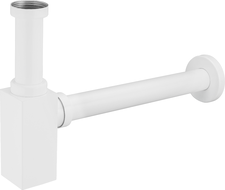
Mexen half-siphon square basin, white - 79960-20
€41.10 -19.98%
€32.89List price: €41.10
Lowest price: €32.89
Availability: In stock
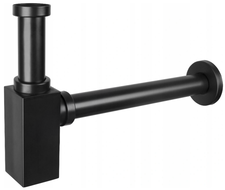
Mexen semi-basin trap square, black - 79960-70
€41.10 -19.98%
€32.89List price: €41.10
Lowest price: €32.89
Availability: In stock
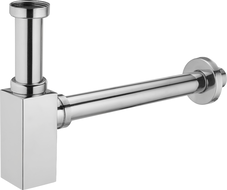
Mexen square basin half-siphon, chrome - 79960-00
€41.10 -19.98%
€32.89List price: €41.10
Lowest price: €32.89
Availability: In stock
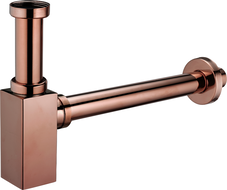
Mexen square washbasin half-siphon, rose gold - 79960-60
€44.70 -19.93%
€35.79List price: €44.70
Lowest price: €35.79
Availability: In stock