

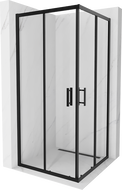



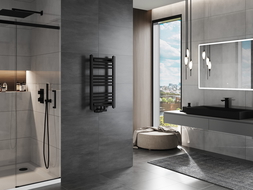








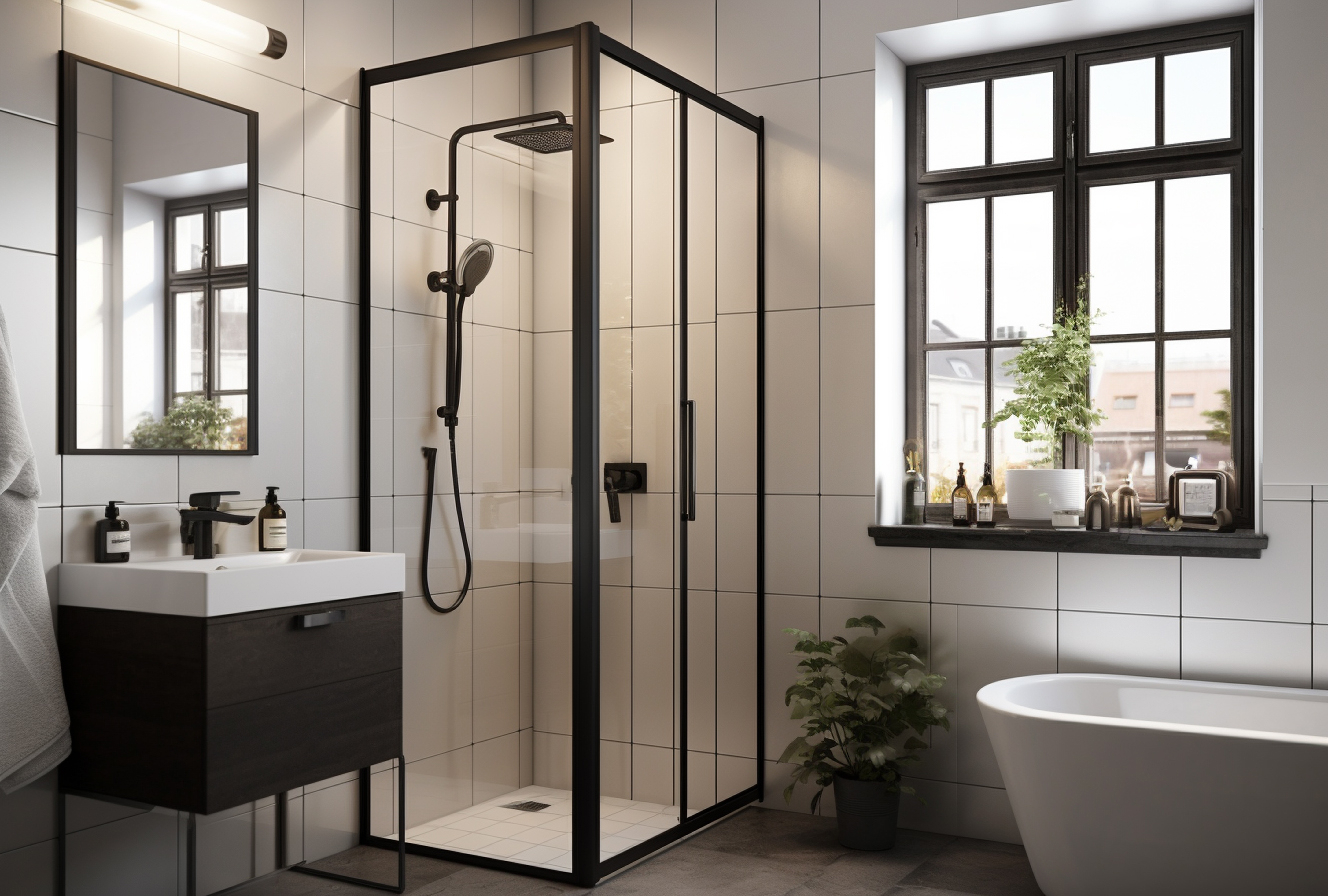
During a bathroom renovation, it is important to ensure that this interior not only looks great but also allows you to enjoy its high comfort of use. In modern bathroom designs, cabins are very often equipped with a linear drain and a low shower tray.
What will you learn from this article?
You can speak at length about the advantages of low shower trays. Their great value is that they look fantastic and optically enlarge the bathroom. Read the following article to find out:
- Is connecting a shower tray difficult?
- What makes the installation of a shower tray not random?
- How to position the shower tray?
- Is it possible to install a low shower tray on tiles?
Why is the correct installation of a low shower tray so important?
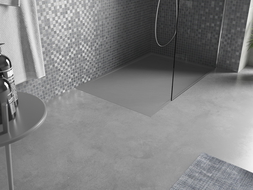
The correct installation of a low shower tray is crucial to ensure your bathroom is safe, functional, and stylish. The chosen model should be placed in a designated spot to ensure free drainage of water and the stability of the entire structure. A low shower tray can be slightly recessed into the floor or protrude slightly above it. Its installation is best planned during a general renovation to avoid later difficulties in preparing the siphon and drainage correctly. However, it is good to remember that low shower trays are also available for installation directly in the floor. With their help, you can achieve a seamless, cohesive floor surface and an effect similar to a walk-in shower.
What will you need to install a shower tray?
For the correct installation of a low shower tray, it is good to prepare all the necessary elements and tools in advance. So the installation can proceed smoothly, and the bathroom is ready for free use.
- Sanitary silicone – essential to secure connections and edges of the shower tray. Silicone ensures tightness and prevents leakages.
- Drainpipe – must be matched to the type of shower tray and siphon, allowing effective water drainage.
- Gaskets and pipe ends – necessary to be fitted to the lower part of the siphon. To make their connection easier, it's good to use dishwashing liquid.
How to properly install a low shower tray?
In the installation of a shower tray, pay the most attention to ensure that the drainage is tight and the surface is properly leveled. The idea is to create a construction that is hassle-free and, at the same time, stable. The water must be able to flow freely.
What mistakes to avoid when connecting a shower tray?
When installing a shower tray, it's very easy to forget to level the surface correctly. Unfortunately, this can lead to water stagnation. It will also be a mistake to improperly seal the drainage and forget how important waterproofing is.
Enjoy a practical and beautifully arranged bathroom with a comfortable shower cabin
You can choose many smart devices and solutions for your bathroom, thanks to which using this space will be comfortable. As you can see, installing a shower tray does not have to be difficult and complicated. However, precision, proper preparation of tools, and necessary materials cannot be overlooked.
A low model will match almost any type of space, especially minimalistic ones. It will also be perfect for relatively small interiors, as it allows them to be optically enlarged.
Related products
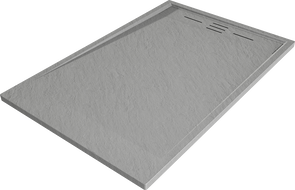
Mexen Amon rectangular shower tray SMC 120 x 90 cm, grey - 4F619012
€249.90 -19.97%
€199.99List price: €249.90
Lowest price: €199.99
Availability: In stock
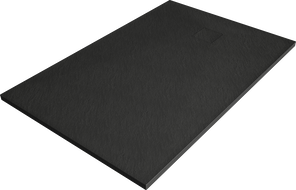
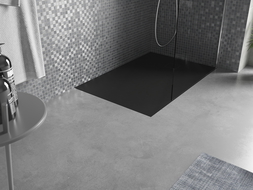
Mexen Bert rectangular shower tray SMC 120 x 80 cm, black - 4K708012
€205.30 -19.98%
€164.29List price: €205.30
Lowest price: €164.29
Availability: In stock
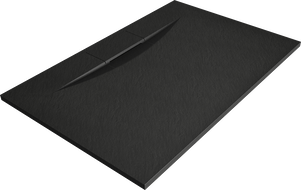
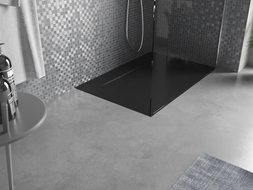
Mexen Egon SMC Rectangular Shower Tray 120 x 90 cm, Black - 4R709012
€258.90 -19.97%
€207.19List price: €258.90
Lowest price: €207.19
Availability: In stock
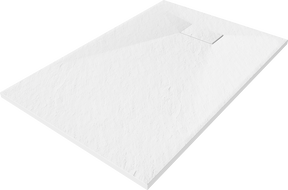
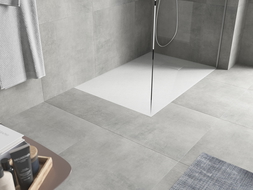
Mexen Hugo rectangular shower tray SMC 120 x 90 cm, white - 42109012
€212.40 -19.97%
€169.99List price: €212.40
Lowest price: €169.99
Availability: In stock

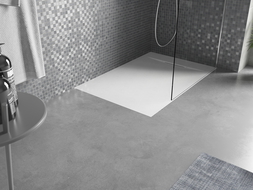
Mexen Otto rectangular shower tray SMC 100 x 80 cm, white - 4N108010
€182.20 -19.98%
€145.79List price: €182.20
Lowest price: €145.79
Availability: In stock