

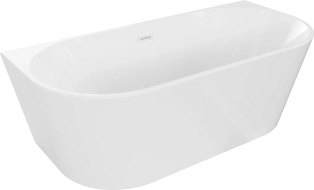
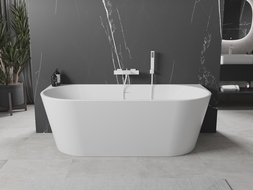









Currently, among the trends of modern bathrooms, freestanding baths are increasingly common, yet undoubtedly the most popular solution, especially in smaller bathrooms, are rectangular baths intended for enclosure. Customers opt for this solution because it is practical and allows for effective and efficient use of the space. Moreover, an enclosed rectangular bath makes it incredibly easy to keep the bathing area clean.
Tile bath enclosure – how to enclose a bath?
There are many ways to hide the undesirable parts of a rectangular bath from view. The method of enclosing the bath should primarily depend on the shape and type of bath. Advocates of traditional rectangular baths will be pleased not only due to their practicality but also because they allow for the use of bath enclosures in many cases. And there are several ways to do this.
- One of them is an enclosure made from a frame and plasterboards.
- Another common, more solid solution is blocks of cellular concrete. These are particularly recommended for enamelled baths, which unfortunately due to the material they are made from, retain the water's heat slightly less well. Blocks of cellular concrete allow the bath interior to maintain a higher temperature for somewhat longer.
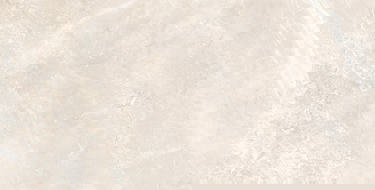
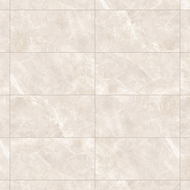
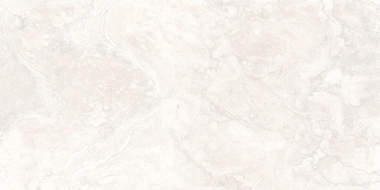
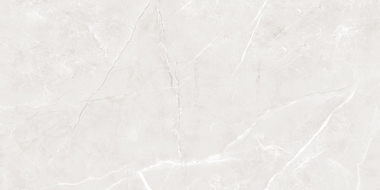
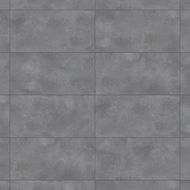
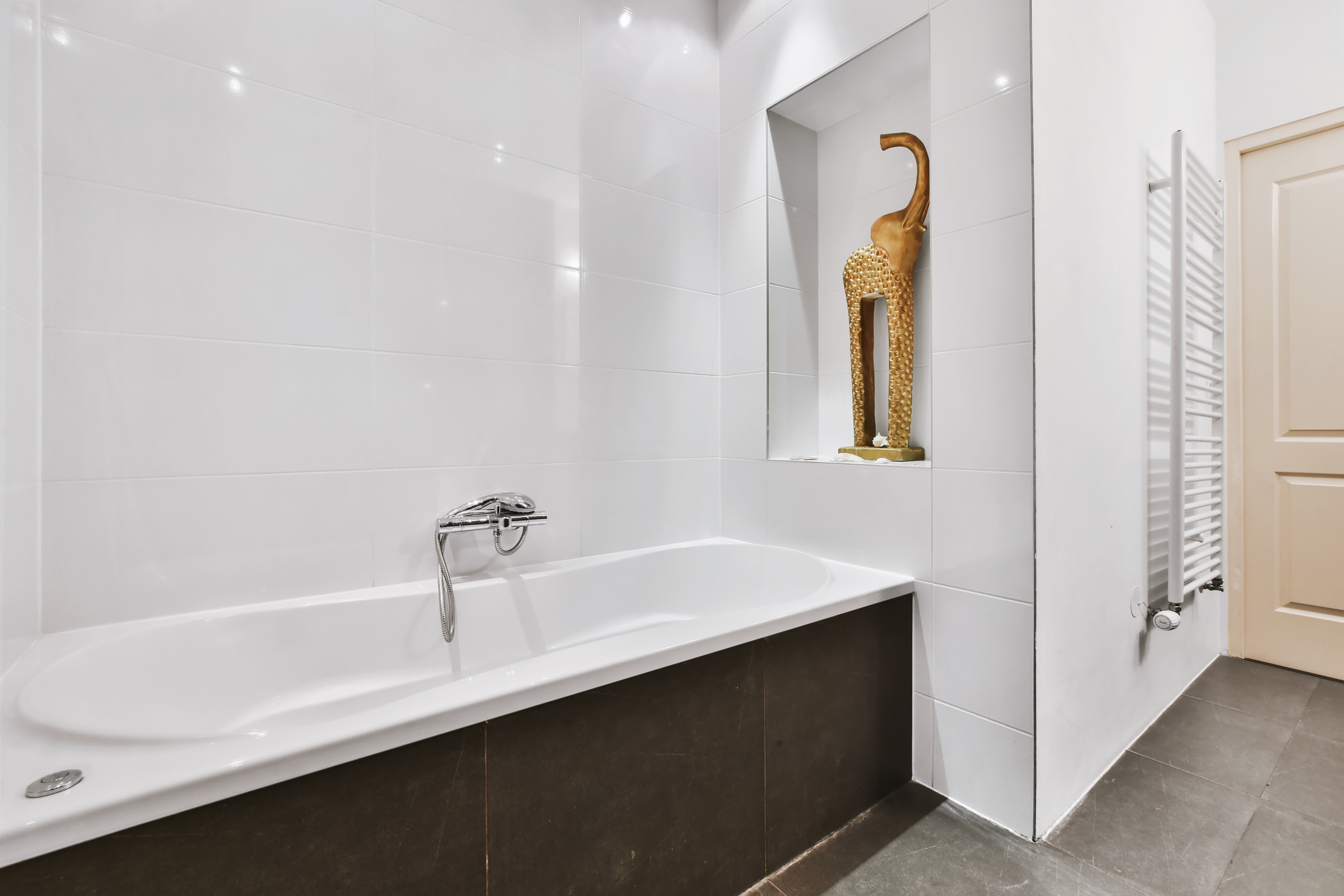
Opting for a rectangular bath enclosure with tiles will certainly not be a mistake. There are many types available on the market, with an incredibly wide choice precisely for rectangular baths. You can easily match the patterns and structure of the tiles to blend with the rest of the bathroom. An enclosure with ceramic tiles is primarily low maintenance. If you do not want a ready-made enclosure, you may find ceramic tiles appeal to you, as they are a very rewarding material due to their durability and resistance to discolouration as well as the effects of water, moisture or mould formation. Tiles can easily be laid on structures made from various materials. In this role, enclosures made from blocks of cellular concrete, polystyrene or plasterboards are all suitable. When covering the enclosure with tiles, it is worth remembering to keep a few tiles spare in case any get damaged. In such a case, you can easily replace them. As many bath models as there are, there are solutions.
Wood bath enclosure – is it worth choosing such an enclosure?
Wood is an extremely noble, rewarding material that evokes a sense of warmth. It makes you feel comfortable being around it. However, when it comes to bathrooms, users are still wary of using this material. These concerns are partly justified because improperly preserved wood can cause numerous problems. Contemporary means and methods of preservation can make wood resistant to moisture and water.
A wooden bath enclosure combined with wooden furniture makes the bathroom look exceptionally aesthetic and very elegant. When choosing wood for the bathroom, it is worth opting for exotic varieties. They contain a lot of natural oils, making them impervious to moisture. True, they may be a bit more expensive than our local wood types, but when it comes to the bathroom and the battle with moisture, it's not worth skimping. The right choice of wood and its proper maintenance, i.e., cleaning and oiling from time to time, will ensure that the wooden enclosure looks grand even after a long time. Although you can make a wooden enclosure yourself, it is best to consult specialists and entrust the work to them. A trusted carpenter will know precisely which type of wood to use, so it serves well in the bathroom for many years.
Mosaic on bath enclosures? Bath enclosure
A mosaic-covered surface undoubtedly attracts attention. It does so quite intensely, so it is not worth overdoing the amount of space it covers. A low bath enclosure is a suitable place to use it, especially if it is a corner bath with a rounded edge.
Due to the nature of this space, it will be challenging to cut the right tiles to create a uniform and flat surface. Individual mosaic elements are much smaller, providing much more flexibility in fitting them to the convex edge of the bath. A mosaic works excellently with the rest of the bathroom on the principle of contrast. Darker mosaic patterns will complement white or grey, while lighter ones will suit black or dark blue rooms.
If you are not convinced you can handle enclosing the bath yourself, you can opt for ready-made enclosures, of which there are countless on the market.