














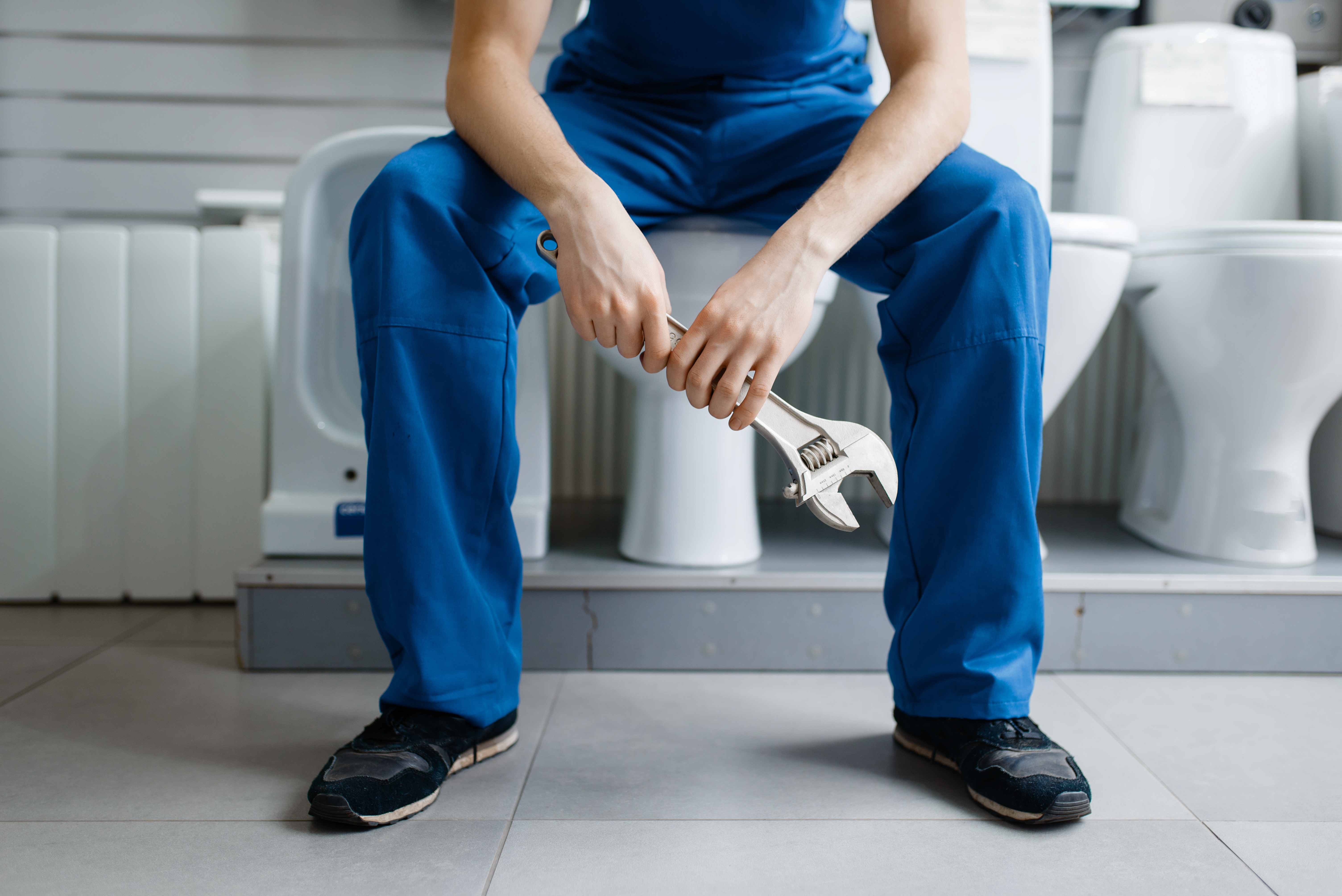
When the toilet seat no longer looks elegant or gets damaged, it is easy to replace it with a new one. Installing a toilet seat is very simple. It does not require professional skills or specialized tools. All you need are pliers, a screwdriver, and some determination.
What will you learn from this article?
This article addresses the most pressing questions regarding the replacement of a toilet seat. From this guide, you will learn:
- How to remove the old seat?
- How to choose the right toilet seat for your bathroom?
- Which mounting elements are the most important?
- Is installing a toilet lid difficult?
Installing a toilet seat step by step
A simple and clear guide to installing a WC seat will allow you to easily and quickly go through the process. Self-installation is a convenient solution for those who do not want to rely on a plumber for every little change needed in an apartment.
Choose a new toilet seat
When deciding to remove the old and purchase a new toilet seat, you need to consider several factors:
- Size — specifically, three values: the length of the bowl (measured from the mounting), its width, and the spacing of the mounts, i.e., the distance between the hinges. To ensure all elements are compatible, it's best to choose a toilet seat from the same manufacturer as the toilet bowl;
- The type of material from which it is made — will you opt for a model made of plastic, lacquered wood, or perhaps an antibacterial one? They will differ not only in appearance but also in factors like ease of cleaning.
- Design — the toilet seat should harmonize with other decorative elements of the bathroom. Match it with a suitable flush button. It's also important to match in terms of color and shape. Your sink and tub or simply the tiles laid in the room can serve as references.
- Frequency of toilet use — with more users, a slow-close toilet seat, which avoids the noise of a falling lid and protects it from damage, will work well.
Removing the toilet seat from the WC bowl
You've already made your choice, so the first step is behind you. Regardless of whether you chose a slow-close toilet seat or a classic one, it's time for the installation itself! The main difference between these models will lie in the hinge construction.
Cleaning the toilet bowl
Before installing the new toilet seat, take the opportunity to thoroughly scrub and disinfect the toilet. Without the seat installed, you will have easier access to all the nooks and crannies. Pay particular attention to the mounting holes with hinges and areas under the rim of the bowl. Ideally, spray them thoroughly with descaling agents and leave them for a few minutes. This will make it easier to clean later.
Installing the toilet seat — the last step to success
It's finally time to test your skills and install the purchased seat. You have probably decided on a more convenient, although slightly more expensive, slow-close seat. This is undoubtedly an excellent move.
- push both pegs/rods into the mounting holes in the bowl,
- slide on washers or gaskets,
- secure the washers with screws,
- tighten the nuts from below, but not too hard, to allow for maneuvering the bolts,
- position the bolts so they fit the seat latches mechanism,
- after removing the seat, securely tighten the screws,
- fit the masking rosettes,
- install the seat on the bowl,
- check the correct operation.
Simple, quick and intuitive toilet seat installation
We hope the above guide provides clear information on how to correctly install a seat so it can serve well and long, ensuring comfort in daily use. You also know how to take apart an old toilet seat. We also drew your attention to how to match the toilet bowl itself to meet your expectations and fit the entire bathroom decor.
Related products

Mexen Lena slow-closing slim seat, duroplast, black gloss - 39242070
€46.40 -19.85%
€37.19List price: €46.40
Lowest price: €37.19
Availability: In stock
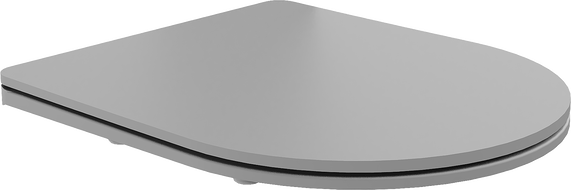
Mexen slim slow-closing seat, duroplast, light grey matte - 39740061
€53.60 -19.98%
€42.89List price: €53.60
Lowest price: €42.89
Availability: In stock
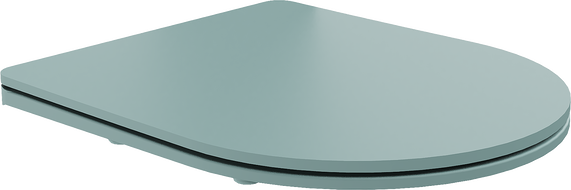
Mexen slow-close slim toilet seat, duroplast, light green matte - 39740048
€53.60 -19.98%
€42.89List price: €53.60
Lowest price: €42.89
Availability: In stock
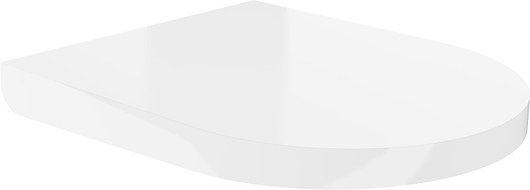
Mexen soft-close hard toilet seat, duroplast, white gloss - 39020100
€37.40 -19.81%
€29.99List price: €37.40
Lowest price: €29.99
Availability: 2026-10-28
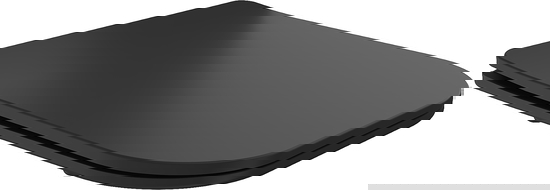
Mexen Teo slow-closing slim seat, duroplast, matte black - 39060185
€42.80 -19.88%
€34.29List price: €42.80
Lowest price: €34.29
Availability: In stock