








Bathroom waterproofing is very important. It protects the area from moisture in critical areas such as spaces between tiles, corners, and installation passageways. Properly executed waterproofing is necessary if you want to limit the growth of fungi and mold, as well as the negative impact of water on building structures. The problem is often visible just a few months after using the bathroom, which is why it's important to be aware of the mistakes that lead to this situation.
What will you learn from this article?
Waterproofing is one of the most important finishing tasks during a bathroom renovation. It prevents mold growth, fungal growth, and also flooding of lower floors. In this article, you will find answers to questions:
- Why does correctly performed waterproofing affect the durability of the building?
- When does bathroom waterproofing require improvement?
- How to plan work related to waterproofing?
Why is it necessary to waterproof the bathroom?
Waterproofing is otherwise a sealing layer under tiles, thanks to which water does not penetrate to the lower structural layers of the building. It is necessary to perform it, especially in the bathroom, which is particularly exposed to moisture and regular effects of water.
Tiles and grouts laid on floors and walls in the bathroom do not create a tight layer, and grout mass is gradually washed out. This causes water to penetrate the substrate, which over time causes structural degradation.
- The first signal that something is wrong in the bathroom is the darkening of grout, the appearance of stains in corners, and the musty smell in the room.
- Next, fungi and mold will appear in the corners of the bathroom and on the surfaces of tiles.
- A dangerous situation occurs when tiles start to detach from the substrate, and then cracks appear on the plaster. In the worst case, the entire floor will be damaged. Then you are in for a general renovation of the bathroom, along with laying tiles anew.
Without waterproofing on the floor, there is no barrier to prevent moisture from penetrating lower levels. In the event of a washing machine failure, leaky shower tray siphon, or faucet leak, you will flood the neighbor below. It's better to waterproof the bathroom than to bear the cost of renovating someone else's apartment.
What bathroom waterproofing is the best?
You have many waterproofing solutions to choose from. Below we present the most popular ones, often used in bathrooms.
Sealing mat
Durable, flexible membrane used in areas particularly exposed to water effects, such as floors and walls inthe shower enclosure. Strengthens the waterproofing system and supports additional surface protection. Combining it with liquid foil is a good idea. You minimize the risk of leaks to a minimum.
Liquid foil
A flexible sealing material that works well in bathrooms, kitchens, but also on terraces. Apply the first layer using a roller or brush. A waterproof coating is created, which limits the harmful effects of moisture. Liquid foil is suitable for use on both floors and walls. It is worth placing it in the shower enclosure and around thebathtub.
Sealing tape
This material increases the tightness of floor-to-wall joints and corners. It is flexible, so it strengthens the protection of the most important points in the bathroom through which water can penetrate to the substrate.
How to independently carry out the waterproofing process step by step?
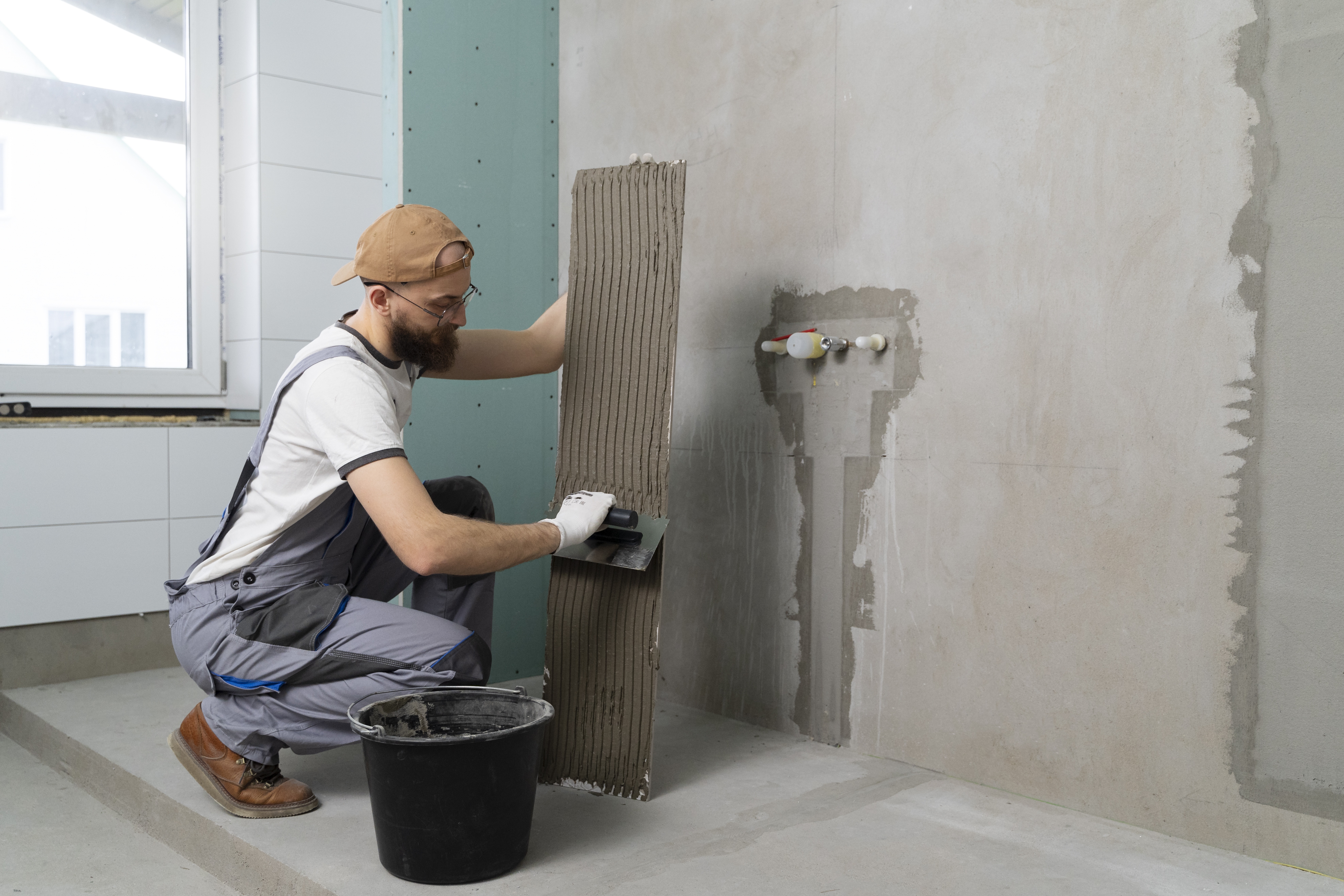
Waterproofing is worth doing on the entire surface of the bathroom, but with particular emphasis on wet areas exposed to direct water impact. Before laying tiles, perform waterproofing using special preparations.
- Waterproofing on the entire floor surface — follow the manufacturer's instructions for the selected sealing material. Remember to turn up the sealing layer by at least 15 cm on the walls.
- Waterproofing in the shower area — it is best to perform sealing at a height of at least 20 cm from the floor.
- Waterproofing around the bathtub and washbasin — use additional seals on the floor and a strip of wall about 20-50 cm high around bathroom ceramics.
1. Preparing the substrate
You can apply waterproofing only to a dry, clean, and level substrate. Fill the gaps and prime the substrate. Deep penetrating primer increases the adhesion of waterproofing layers.
2. Installing sealing tape
Secure wall-to-floor connections with sealing tape before applying liquid foil throughout the room. Pay particular attention to internal and external corners, drains, and pipe penetrations, which are places where water can penetrate lower layers of the building.
3. Applying liquid foil
To make the bathroom waterproofing effective, use a roller or brush to apply 2 or 3 layers of liquid foil. Do not work on a damp substrate, so wait a few to a dozen hours for the first layer to dry before applying another.
4. Waterproofing walls and floors in wet areas
On floors and walls in the shower enclosure and around the bathtub, apply additional sealing. You can apply hydro-isolation mats to the liquid foil, which increase protection in wet areas.
5. Sealing installation penetrations and joints
Pay particular attention to places where plumbing passes through walls and floors. Use sealing cuffs for their protection, as well as an additional layer of liquid foil. You will increase the protection of the surface against water and moisture.
Checkhow to carry out the bathroom renovation step by step.
Common mistakes during bathroom waterproofing
If the waterproofing throughout the bathroom is done incorrectly, you are in for an expensive renovation. Problems with leaks and mold will appear very quickly. Most mistakes are made already at the stage of preparing the substrate, as well as due to omitting strategic places such as corners in the shower enclosure.
- Improper substrate preparation— tile glue residues C2TE/S1, dust, and unevenness prevent proper adhesion of the waterproofing layer. Over time, detachments and leaks will appear. Before sealing, ensure the surface is properly prepared. Do not skip priming.
- Incorrect thickness of the waterproofing layer — each waterproofing layer should have a thickness specified by the manufacturer. Using too little material or omitting the second layer reduces the effectiveness of the sealing mortar and liquid foil.
- Lack of continuity in corners and other critical areas — waterproofing implementation should include sealing tapes and wall and floor cuffs in corners, near the bathtub and shower tray, and at installation passes. Without them, after some time, water and moisture will begin to penetrate into the lower layers of the building.
- Using inappropriate waterproofing materials — not every sealing product is intended for bathroom use. Get to know the manufacturer's recommendations before using it. Avoid cheaper substitutes for liquid foil. They do not effectively protect moist areas from moisture. It is very important to use high-quality waterproofing in the bathroom. It's an investment for many years.
That's why it's worth investing in high-quality bathroom waterproofing
Poorly executed waterproofing will quickly become apparent in the bathroom. Moisture that gets under the tiles will cause mold and mildew growth both in the bathroom and on lower levels. A musty smell will linger in the room.
In the long run, in moist areas, tiles on walls and floors will start to fall off, and this will require a very expensive renovation.
High-quality waterproofing of the bathroom creates an effective protective barrier and helps to avoid many unnecessary problems.