


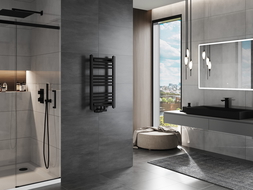

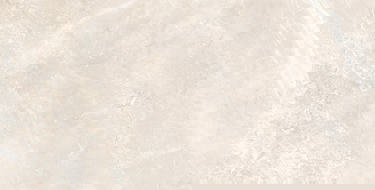
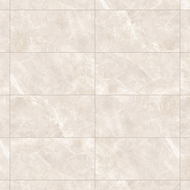



One of the most versatile finishing materials is porcelain stoneware. What does this mean for you? You can use it when arranging a bathroom, kitchen, living room, hallway, as well as outdoor areas in front of the building. It mainly competes with ceramic tiles. When making the final decision, pay particular attention to absorbency, resistance to mechanical damage, as well as the hardness of the material.
What will you learn from this article?
When building a house or planning a renovation, the main dilemma is choosing the right finishing materials. The decision is mainly between porcelain stoneware tiles and ceramic tiles. In this article, you will find answers to the following questions:
- Which material is more popular: glazed stoneware or ceramic tiles?
- What are the properties of stoneware?
- What suits modern interior designs better: porcelain stoneware or ceramic tiles?
Porcelain Stoneware — What Kind of Material Is It?
Porcelain stoneware is made from fine stoneware, a mixture of clay, kaolin, quartz sand, feldspar, and chamotte. It features a uniform structure achieved through strong pressing under pressure. Stoneware tiles are fired at high temperatures from 1200 to 1300 degrees Celsius.
Porcelain stoneware is characterized by:
- low absorbency,
- frost resistance,
- resistance to wear and mechanical damage,
- availability in many colors and structures.
Porcelain stoneware is an excellent choice for both interiors and exteriors. It is resistant to changing weather conditions, especially temperature fluctuations and water exposure. Glazed stoneware tiles withstand intensive internal use, so it is worth using them in frequently exploited rooms.
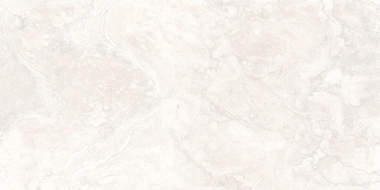
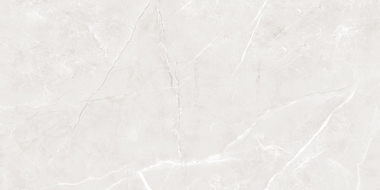
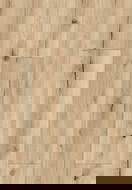
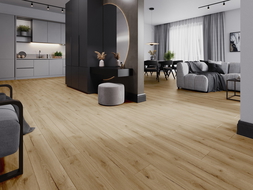
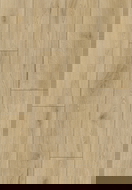
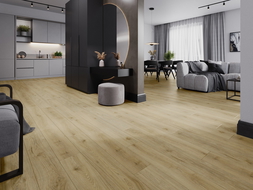
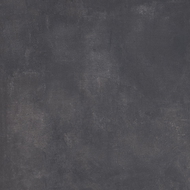
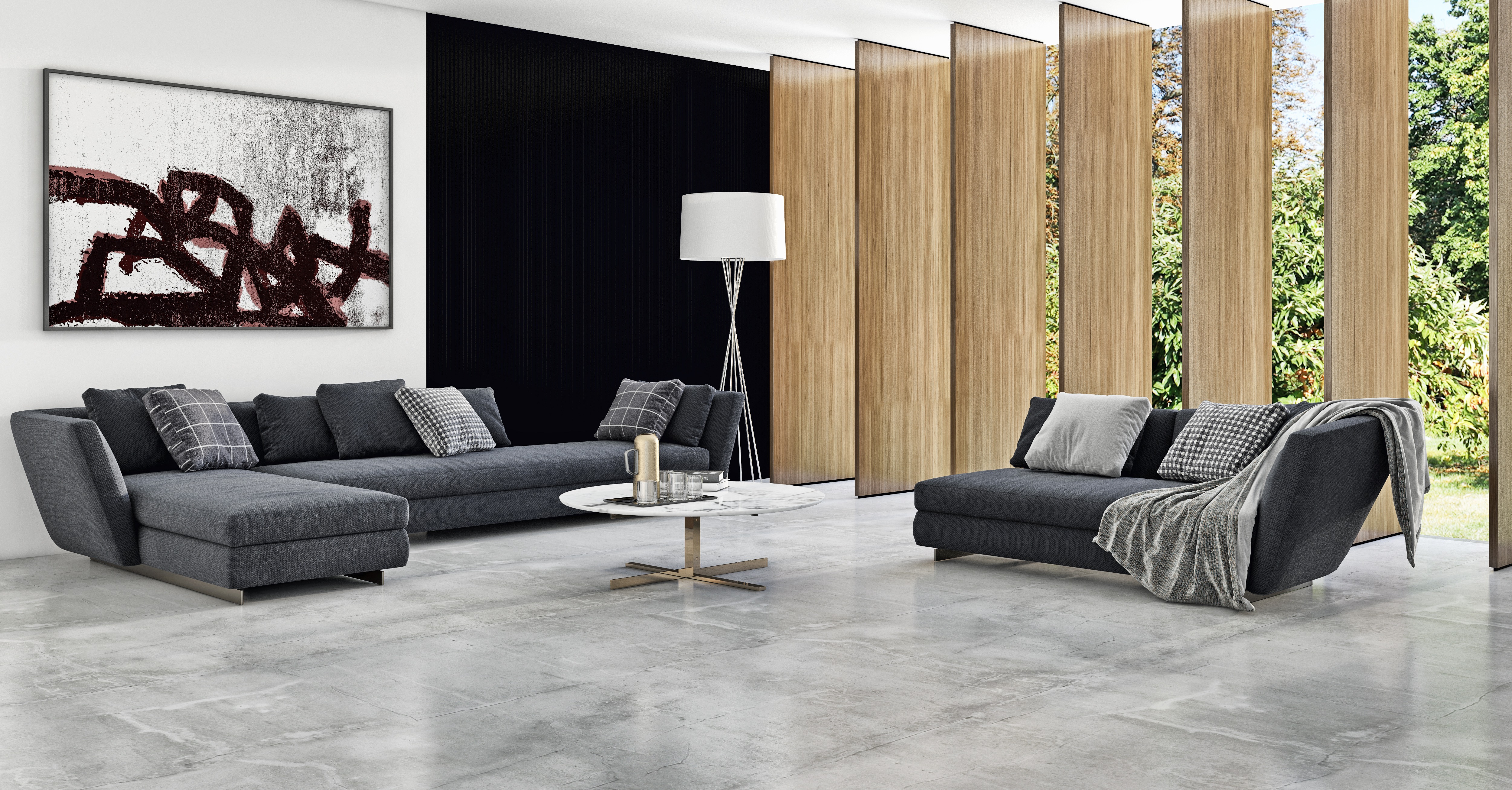
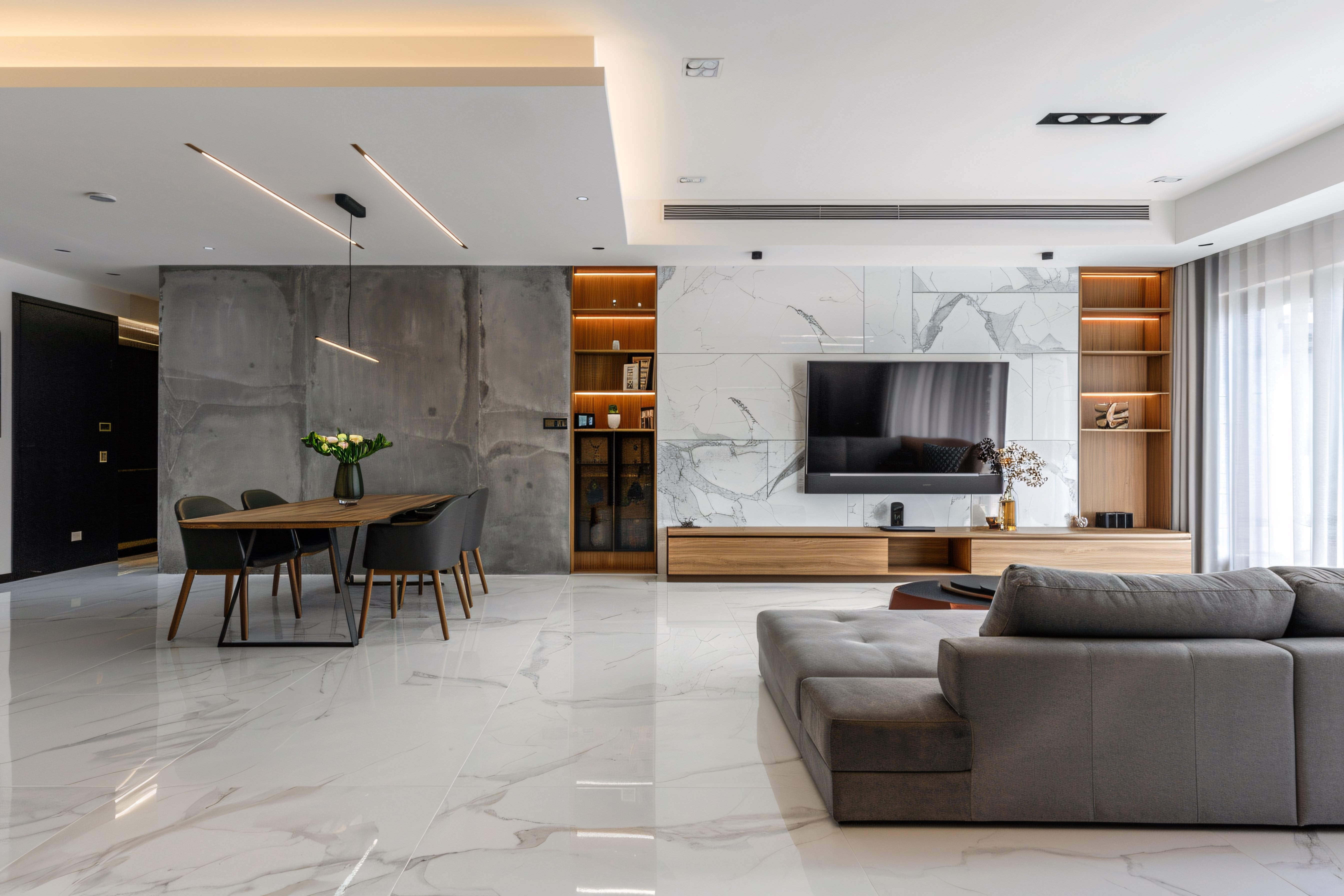
You can customize porcelain stoneware to almost any interior arrangement, thanks to its wide range of colors and designs. They excellently mimic almost any material, especially marble, concrete, wood, and stone, which is why it's the favorite material of interior designers.
What Are the Types of Porcelain Stoneware?
Different components are used to produce stoneware. You can choose between two variants.
Technical Stoneware
These tiles go without final surface treatment. They find applications wherever aesthetics are not a priority. Technical stoneware is characterized by low absorbency, which makes it perfect for outdoor use, as well as wherever durability of the floor is the most important. It is resistant to moisture and frost.
This type of stoneware is divided into:
- natural stoneware,
- polished stoneware,
- non-slip stoneware.
Porcelain Stoneware
Its structure is very tightly compressed. Porcelain tiles in this form have low absorbency and porosity. The best quality clay is used for their production.
Porcelain stoneware is divided into:
- glazed stoneware,
- polished stoneware,
- through-body colored stoneware.
How Are Porcelain Stoneware Tiles Different from Ceramic Tiles?
The main difference lies in the composition and firing process. While traditional ceramics are based on red or white clay, stoneware is made from fine stoneware. The result? A much greater density and hardness, which translates into years of trouble-free use.
Absorbency of Stoneware Tiles vs Ceramic Tiles
Absorbency, the parameter that defines material porosity, significantly distinguishes stoneware tiles from ceramic tiles. Stoneware has low water absorbency, making it less susceptible to staining. It is easy to maintain, making it an ideal solution for the bathroom, kitchen, and building exteriors.
For comparison the absorbency of stoneware tiles is about 0.5%, while ceramic tiles can reach up to 10%. Composite parts of stoneware are tightly pressed together, hence they boast low porosity.
How Is the Weather Resistance of Stoneware Tiles Compared to Ceramic Tiles?
Stoneware has very high resistance to harsh weather conditions due to its low water absorbency. It works great for building exteriors. The same cannot be said about ceramic tiles. Homeowners may choose them for bathrooms, kitchens, hallways, and living rooms. In these rooms, porcelain stoneware is also a popular material.
What Is the Damage Resistance of Stoneware Tiles Compared to Ceramic Tiles?
The excellent properties of stoneware make it resistant to mechanical damage and wear. Its extreme hardness is best evidenced by the fact that it requires specialized diamond drill bits for processing. Standard concrete or ceramic drill bits simply won't suffice.
Ceramic tiles are much more susceptible to scratches. They will not perform well in high-traffic areas. It is best to use them only on walls.
Find out what are the wear classes of tiles.
Hardness of Glazed Stoneware vs Ceramic Tiles
Stoneware is distinguished by high hardness, which makes it resistant to scratches. Furthermore, this feature allows manufacturers to prepare large-format stoneware tiles. Popular formats are primarily 30 × 60, 60 × 60, or 98.5 × 65.5 cm. These dimensions visually enlarge the space, making them a practical solution for many interiors.
Ceramic tiles are mainly available in smaller formats, such as 30×30 cm, 33×33 cm, 40×40 cm, 45×45 cm. They tend to crumble in larger sizes.
The Best Solution for the Home? Glazed Stoneware!
Before selecting finishing materials for a room, check its technical parameters. Their surface should be suitable for the intensity of use and prevailing conditions.
Ceramic tiles are not a suitable choice for flooring in high-traffic areas, as well as outdoors.
- Stoneware is worth using in public utility buildings due to its high resistance to scratches and mechanical damage. It also has high resistance to changing weather conditions, making it an ideal choice for building exteriors.
- Stoneware tiles have low absorbency, so it is worth using them in the bathroom.
- The wide choice of stoneware colors allows you to achieve the desired floor finish in any style.
Related products

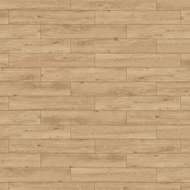
Mexen Avocado Beige Glazed Rectified G1 Porcelain Tile, Wood-Like Floor and Wall Tile 120 x 20 cm, Matte - TL601-120-020-01
€30.29/m2 -19.84%
€24.29/m2List price: €30.29/m2
Lowest price: €24.29
Availability: In stock
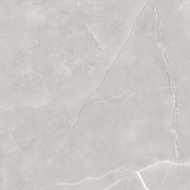
Mexen Boca Dove Glazed Rectified Tile G1, Floor-Wall Tile 60 x 60 cm, Gloss - TL102-060-060-01
€24.90/m2 -19.72%
€19.99/m2List price: €24.90/m2
Lowest price: €19.99
Availability: In stock
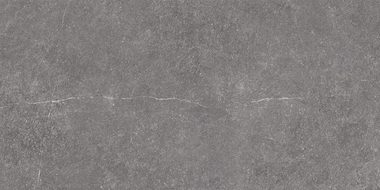
Mexen Deago Grey glazed rectified G1 flooring-wall tile 120 x 60 cm, matte - TL326-120-060-01
€28.60/m2 -19.97%
€22.89/m2List price: €28.60/m2
Lowest price: €22.89
Availability: In stock
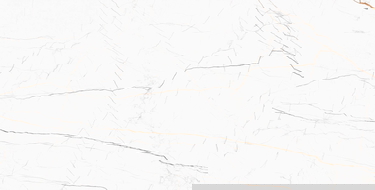
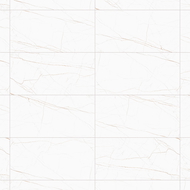
Mexen Dicta White glazed rectified porcelain stoneware, floor-wall tile 120 x 60 cm, carving - TL408-120-060-02
€32.20/m2 -19.91%
€25.79/m2List price: €32.20/m2
Lowest price: €25.79
Availability: 2026-12-28
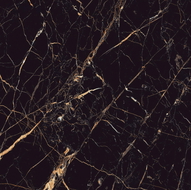
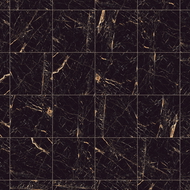
Mexen Python Gold glazed rectified porcelain, floor-to-wall tile 60 x 60 cm, high gloss - TL212-060-060-00
€32.20/m2 -19.91%
€25.79/m2List price: €32.20/m2
Lowest price: €25.79
Availability: In stock