
























You need to know how to remove black mold from silicone. It's not only an aesthetic problem but also a threat to your health. Silicone is most frequently used for sealing. It is very flexible, which makes it easy to fit the shape of installed equipment. Besides, it excellently protects against water seepage, such as outside the shower cabin. When a dark deposit appears on it, react immediately.
What will you learn from this article?
Inconspicuous dark dots on silicone indicate a high level of moisture in the bathroom. The fight against them is difficult but can be won if you know how to proceed. From this article, you will learn:
- Why does black mold develop in the bathroom?
- How to remove mold on silicone?
- Can black mold be removed with home methods?
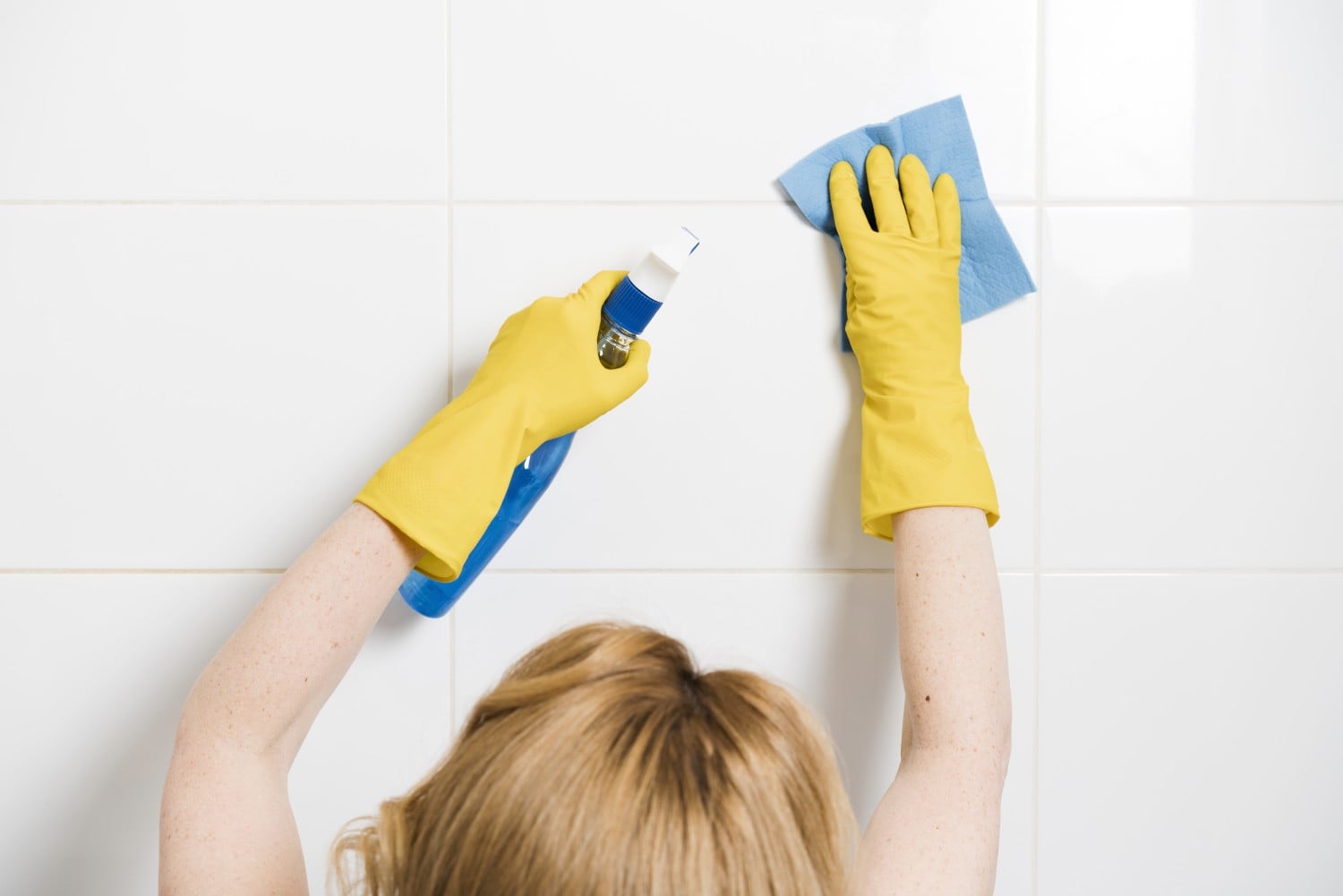
Why should black mold be removed in the bathroom?
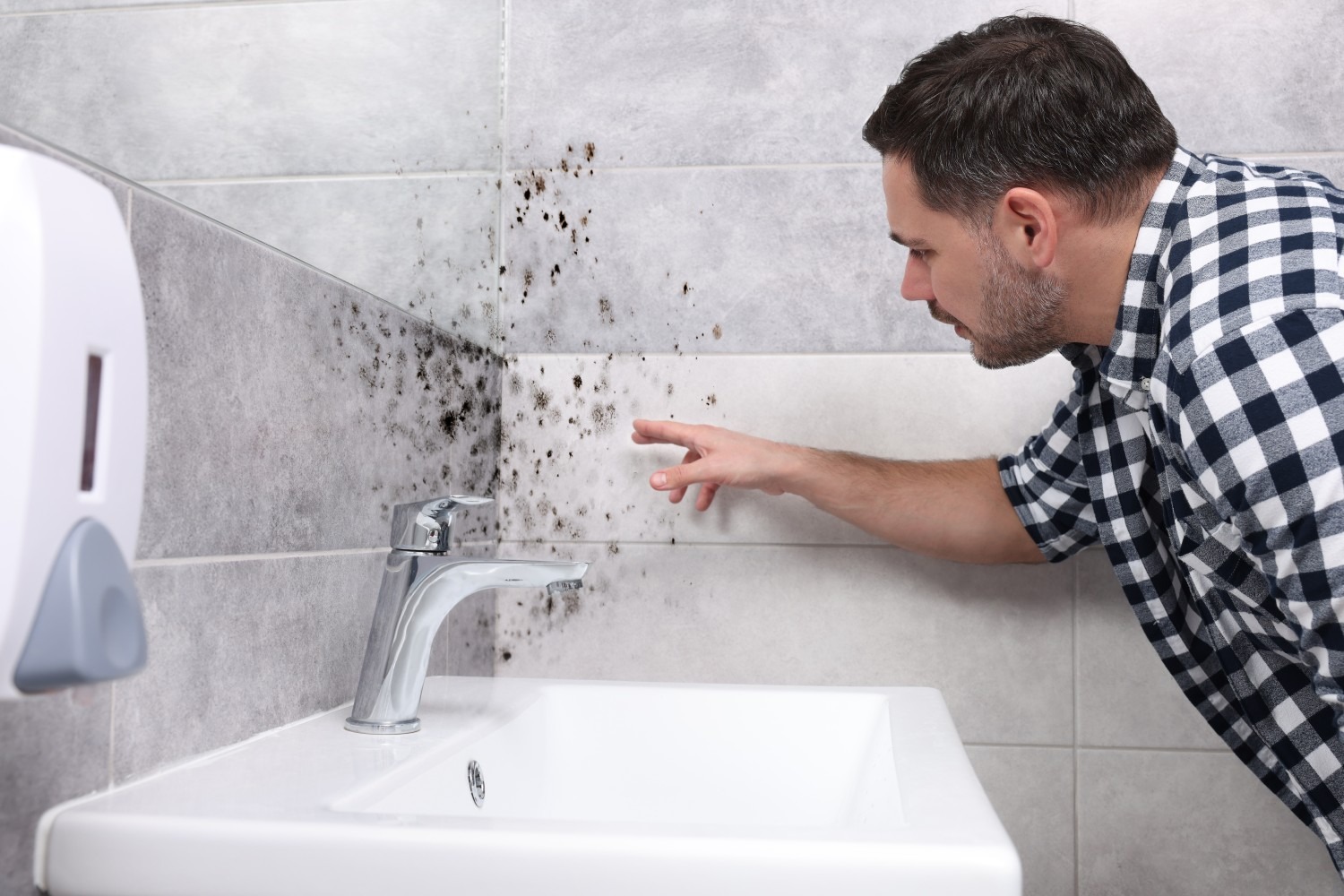
Black spots appearing on seals or grout made of silicone are not only a visual defect. They are also a real health hazard that should not be ignored. Mold in the bathroom most often appears in the shower cabin and around the bathtub, areas exposed to constant contact with water. Humidity and high temperature create a specific microclimate conducive to mold growth.
If you do not pay attention in time to the spots appearing on silicone accompanying the formation of fungus, you will have a big problem. In a short time, grout or seals will be covered with black mold, which negatively affects our health. Mycotoxins produced by mold spores are very harmful, especially if you are continuously exposed to inhaling them. Runny nose and general fatigue, respiratory tract infections, and skin irritation are just the beginning of issues that can be caused by mold growth in your bathroom.
Check, how to react to the first signs of fungus in your bathroom..
How to remove black mold from silicone?
The simplest method is to ensure that mold in the bathroom simply does not appear. Unfortunately, few people have enough time and determination to carefully wipe all elements exposed to mold growth after each bath. It is important to react as quickly as possible to the appearance of the first symptoms. You can easily see black mold in the shower cabin. These are the tiny spots appearing on silicone.
However, if mold has already appeared on silicone, you have a range of options for removing mold from silicone in the shower cabin. Depending on the degree of contamination, you can choose to fight mold with home methods or use ready-made mold removal products. Most often these are fungicidal agents, which additionally have bleaching properties and do not negatively affect the structure of silicone.
.jpg)
Home methods for removing mold on silicone
Sanitary silicone is an excellent solution when it comes to ensuring tightness between various types of connections. Unfortunately, it is also a great environment for mold growth, especially in the bathroom where high humidity and temperature prevail. If you want to remove mold from silicone, you can try home methods.
Baking soda and hydrogen peroxide
Combine powder with pharmacy-grade hydrogen peroxide (3%) in such proportions to obtain a thick paste. Apply the prepared mixture to the black spots and leave for about 15–20 minutes. The active oxygen released as a result of the reaction safely oxidizes the dark pigment of the fungus. After this time, gently clean the joint with a soft toothbrush. Remember not to scrub too aggressively – the goal is to remove the deposit without mechanically damaging or tearing the flexible silicone. Finally, rinse everything thoroughly with clean water.
Tea tree oil
It is a natural fungicidal agent. Add it to soda, then apply it to the dirty area. The action of essential oil is not only a pleasant fragrance but also a proven method of combating fungus.
Spirit vinegar
A natural agent that helps when fungus develops rapidly. Pour it into a spray bottle. Spray the surface to remove the fungus. Leave for 30-60 minutes. Wipe the silicone with a dry cloth. Acetic acid effectively inhibits spore development but will not remove characteristic dark discolorations. To restore the snow-white shade to silicone, it's worth applying homemade paste from baking soda and hydrogen peroxide (3%).
What to use to remove mold from silicone when home methods fail?
If home methods of mold removal do not work or you simply do not want to use baking soda, you can resort to more radical methods aimed at removing the fungus. There is a wide selection of preparations on the market designed specifically for removing mold from silicone in the shower cabin. Using specialized products from the professional chemistry range allows you to quickly address the problem. However, it should be remembered that agents based on concentrated sodium hypochlorite have strong corrosive effects – applications must be strictly carried out in rubber protective gloves and in a well-ventilated room.
- An effective agent for black mold on silicone should contain active chlorine in low concentration, sodium hypochlorite solutions, and enzymes breaking down the structure of fungi.
- When using them, it is worth protecting your hands with rubber gloves.
- The preparation should be applied to the de-molded area, waited for the time specified on the packaging, and rinsed off with mold with clean water.
What to do when the dark deposit on silicone in the shower cabin won't disappear?
There may be a situation where neither store-bought preparations nor, all the more so, baking soda can handle the removal of mold. Then, unfortunately, it is best to remove infected areas in your bathroom, thoroughly clean empty spaces, and apply new silicone.
How to prevent mold on silicone?
Mold is an issue that causes respiratory diseases and results in a characteristic damp smell. A single action is not enough to prevent it from returning to your bathroom. If you want to take care of household members' health permanently, implement a few changes to your bathroom:
- Ensure constant ventilation of the bathroom — obligatorily after hot showers, open the window or at least the bathroom door.
- Use a squeegee to remove water from the shower cabin glass— helps to eliminate the source of moisture, while ensuring a perfect look for basic bathroom equipment.
- Solve the problem of poor ventilation — an electric fan is a good solution. Turn it on during each bath.
- Do not leave damp towels in the bathroom — dry them in the hallway, on a clothes dryer. Put them back in the bathroom when they are completely dry.
- Maintain bathroom cleanliness — it's better to prevent than to remove mold from silicone. If you want an aesthetic room, ensure regular cleaning at least once a week. Check, how to clean the shower cabin..
- Use other cleaning agents that prevent mold growth — there are many cleaning products available for the bathroom that work on almost every type of fungus.
Removing mold from silicone in a few simple steps
Black mold is not only an aesthetic issue. It causes many health problems, such as inflammatory symptoms, skin rash, eye redness, allergic reactions. Removing mold from silicone is important for health reasons. React immediately when you notice the characteristic look of silicone, covered in black deposit.
- Try home methods — you can get rid of mold with the help of baking soda, tea tree oil, or vinegar.
- Use specialized products — follow the manufacturer's recommendations and ensure your safety.
- Replace silicone with new — when fungus has attacked silicone in many spots and is extensive, you will achieve better results by replacing it with new.