





















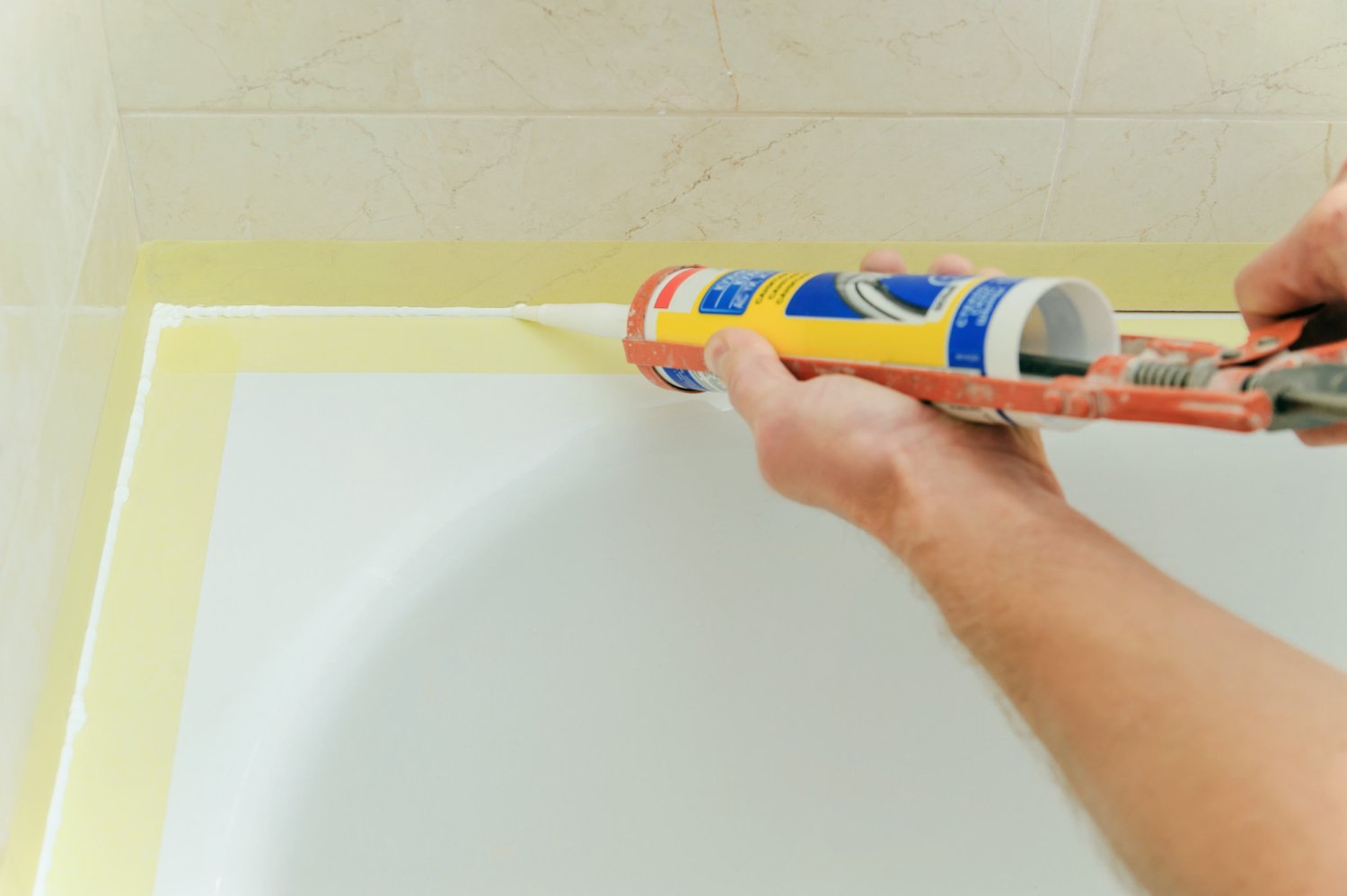
Silicone is the most commonly used material for sealing. It is used both for window installation and for attaching shower cabins, sinks, bathtubs, etc. It is a very flexible material, which makes it easy to adapt to the shape of the installed equipment elements. Moreover, it perfectly prevents water from seeping, for example, outside the shower cabin. However, sometimes the silicone grout gets covered with hard-to-remove mold. What can, or rather should, be done in such a situation? Can home remedies help?
Why should mold be removed in the bathroom?
The black spots appearing on seals or grouts made of silicone are not just a visual defect. They are also a rather real health hazard that should not be underestimated. Mold in the bathroom appears most often in the shower cabin and around the bathtub, i.e., in places exposed to constant contact with water. Moisture and high temperature create a specific microclimate conducive to mold growth.
If you do not pay attention to the spots forming on the silicone in time, you will have a big problem. In a short time, the grout or seals will be covered with black mold, which negatively affects our health. Mycotoxins produced by mold spores are very harmful, especially if you are exposed to constant inhalation. Nasal congestion and general fatigue, respiratory tract inflammation, and skin irritation are just the beginning of problems that mold development in the bathroom can cause.
How to effectively clean a dirty surface?
The simplest method is to ensure that mold in the bathroom simply does not appear. Unfortunately, few have the time and determination to carefully wipe all elements exposed to mold growth after each bath. It is important to quickly react to the appearance of the first symptoms. You will easily see black mold in the shower cabin; these are the small spots appearing on the silicone. If you remove them quickly, you will prevent the development of fungi.
If mold has already formed on the silicone, you have several options for effectively removing it. Depending on the degree of contamination, you can choose to fight mold with home methods or by using ready-made mold removal agents. Most often, these are fungicidal preparations that additionally have bleaching properties and do not negatively affect the structure of the silicone.
Remove Mold from Silicone with Home Methods
Sanitary silicone is an excellent solution when it comes to ensuring the tightness between different types of connections. Unfortunately, it is also a great environment for mold growth, especially in the bathroom, where high humidity and temperature prevail. Fortunately, mold in the bathroom can also be removed using methods that do not require the purchase of a fungicide. If you want to remove mold from silicone, you can first use baking soda.
First, sprinkle the contaminated surfaces with baking soda and then scrub them using a toothbrush. It should not be too hard, and scrubbing should not be too intense; it is not about removing the grout or silicone, but about removing mold. After scrubbing, rinse the contaminated areas with water, thus removing the remnants of mold. Additionally, you can use a natural fungicide in the form of tea tree oil. Add it to the baking soda used to sprinkle the contaminated place. The action of the essential oil is not only a beautiful fragrance but proven methods of preventing mold growth.
How to Remove Mold and Fungus from the Bathroom? A More Radical Version
If home methods of removing mold do not work or you simply do not want to use baking soda, you can opt for more radical ways to remove fungi. There is a very large selection of products on the market created specifically for removing black mold in the bathroom. Choosing a high-quality product will make your task easier; however, it should be remembered that these are usually quite corrosive products, and it is worth protecting your hands with rubber gloves while using them. Apply the product to the area to be de-molded, wait for the time specified on the packaging, and rinse it off with clean water along with the mold.
There may be a situation where neither store-bought preparations nor baking soda can handle the mold removal. Then, unfortunately, it is best to remove the grout or seals, thoroughly clean the empty spaces, and install new ones. It is also worth considering whether in this case, it is better to opt for epoxy grouts, which are much less affected by high humidity.