












Ceramic tiles are probably among the most commonly chosen solutions for wall and floor coverings in bathrooms. It's an excellent method for protecting large surfaces from water damage while also creating an interior with an unconventional character. But what if, at some point, you no longer like your favourite tiles? Or what if the bathroom in the apartment you're moving into is fitted with really ugly tiles? You can opt for a complete renovation, removing the old tiles and installing new ceramic ones, or you can choose a less invasive solution, namely painting the tiles in the bathroom.
What will you learn from this article?
- What you need to have to start painting bathroom tiles.
- How to properly prepare for it.
- The step-by-step process of performing this task.
Can you paint wall tiles in the bathroom?
You might be wondering if it's worth painting bathroom tiles. Absolutely, especially if you don't want to go through a complete renovation and incur a significant expense. After all, new tiles can be quite costly. Painting floor and wall tiles is a significantly cheaper solution and allows for an amazing bathroom transformation. You just need to properly prepare the surface, choose the right tile paint, and you're ready to go!
A DIY painted bathroom offers the possibility of realizing the craziest ideas and creating patterns that are hard to find in collections of kitchen, bathroom, and other tiles. All it takes is:
- a bit of creativity,
- a small brush,
- properly chosen refurbishment paints designed for ceramic surfaces, adapted to the demanding conditions usually found in bathrooms, with high resistance to moisture and detergents.
Prepare bathroom tiles for painting
Before selecting the paint you like, you need to prepare the tiles in the bathroom for refurbishment.
- Start by removing all dirt, so it is good to wash the tiles with warm water and detergent, and then wipe them with white spirit, leaving them to dry completely. Thorough cleaning of the surface is very important because even a small amount of dust or plaster can negatively affect the paint's adhesion.
- If you don't want to paint all the tiles the same colour, now is the time for painter's tape. Use it to protect the elements that should remain unpainted or will be painted in a different colour. If there's old silicone on the joints between tiles and ceramic, it should be removed.
And that's essentially the end of preparing the tiles for painting. You now have the wall surface ready for tile painting.
Step-by-step guide to painting ceramic tiles
If you already have special paints designed for painting ceramic tiles, it's time to start painting bathroom tiles. Where to begin? The easiest place to start is with the grout. Cover the grout with paint, spreading it thoroughly across the entire surface using a small brush. This method is useful when the tiles and grout are the same colour. If you dream of a contrasting colour combination, then first paint the tiles and then tackle the grouting.
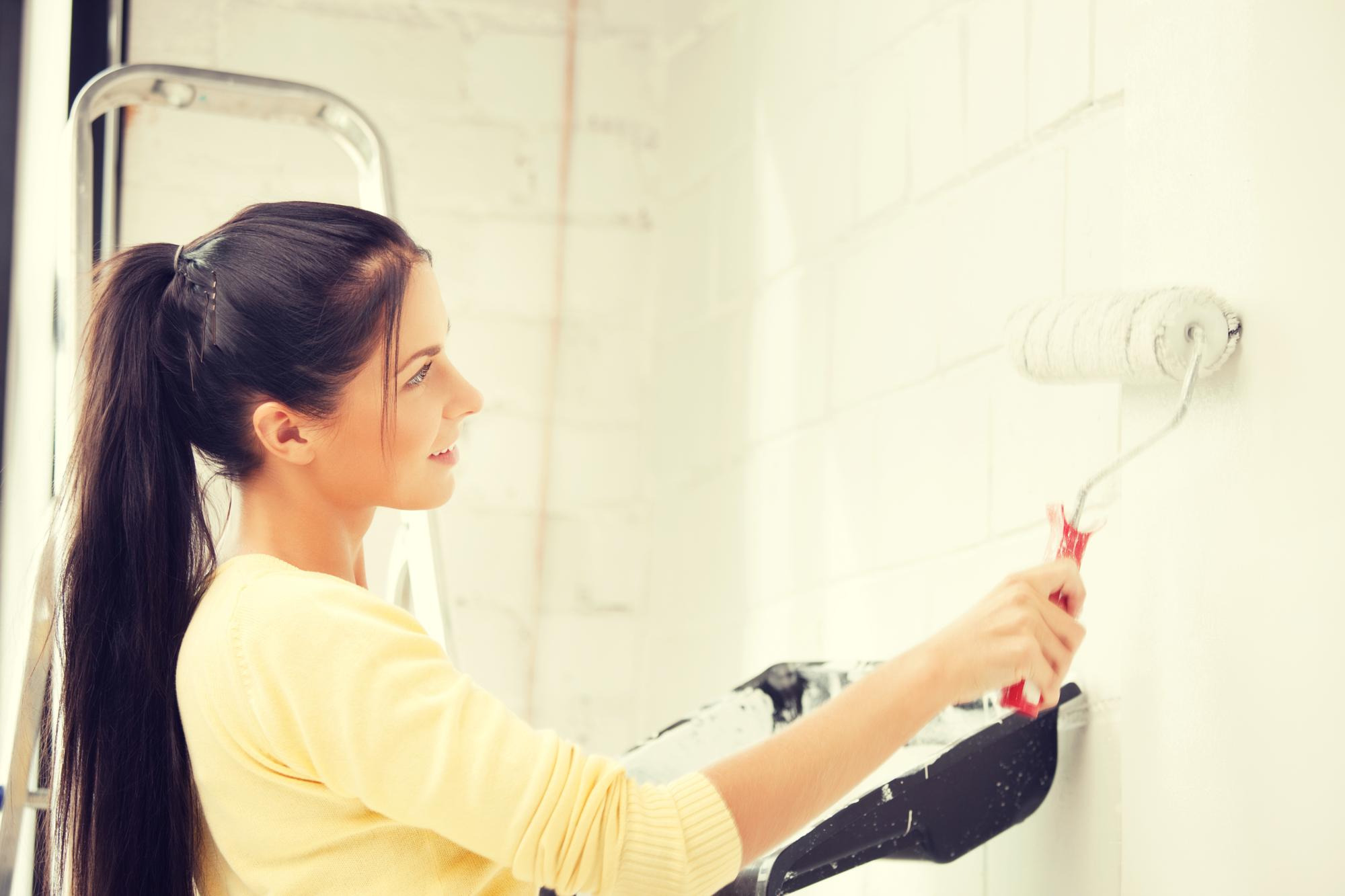
The next stage is painting the tiles in the bathroom. For this, either a large brush or a much more convenient paint roller will come in handy. The first coat of paint should be quite thin. Allow it the required time not only to dry but also to penetrate the microscopic pores in the plaster. The paint should be applied crosswise, which allows thorough coverage of each tile. The second coat should be applied the same way, ensuring that the paint is of the same thickness everywhere.
This way, the bathroom makeover doesn't require a large financial outlay and can achieve truly spectacular results. If you're unsure whether the process is being carried out correctly, always follow the manufacturer's recommendations during tile painting – that's the first thing to remember! Just as you should consider reading other guides on our blog related to painting – how to combine wall colours and many others.
Are tile refurbishments worthwhile?
Refurbishing tiles is an increasingly popular method for refreshing the look of a bathroom or kitchen without needing a costly renovation. Many people wonder if tiles can be painted with porcelain stoneware or how to paint floor tiles to achieve a durable and aesthetic effect. The answer is: yes, but appropriate surface preparation and the correct materials choice are key.

Which paint to use for floor tiles?
When painting floor tiles, epoxy or polyurethane paints are the best choices, as they exhibit high resistance to abrasion and moisture. Chalk paint for tiles is also a potential solution, especially if you want to achieve a matte effect. Remember, tiles painted with paint require regular upkeep to maintain their appearance for longer.
Step-by-step bathroom tile painting
If you're planning a bathroom renovation involving tile painting, start by protecting the grout. You can paint it the same colour as the tiles or opt for a contrasting effect. For painting bathroom tiles, it's best to use a short-nap roller, which allows for even paint spread. What type of roller should you choose for painting ceramic tiles? A sponge or microfibre roller, which precisely covers the surface, is optimal.
How to paint shower cabin tiles?
In shower cabins, it's best to choose paints with enhanced resistance to moisture and detergent effects. Painting floor ceramic tiles in such places requires particular attention to avoid future issues with chipping or peeling paint.
Opinions on tile painting
Many people wonder if painting tiles is a good idea. Opinions are divided – some praise the method for its low cost and quick effect, while others criticize its lack of durability. It all depends on the quality of the paint and surface preparation. Opinions about kitchen tile painting often highlight the importance of choosing grease and stain-resistant paints.
Does refurbishing ceramic tiles make sense?
Tile refurbishment is a great way to refresh an old bathroom without removing tiles. Painted ceramics can look new, provided we use suitable products. Remember, refurbishing bathroom tiles requires patience and precision, but the outcome can be truly surprising.
How to paint terracotta tiles?
Terracotta is a material ideal for painting. Simply clean the surface thoroughly, sand it, and apply a paint intended for ceramics. Changing the colour of terracotta floor tiles can completely transform the room.
Summary
Tile refurbishment is an excellent alternative to costly renovations. With proper preparation and paint choice, a painted bathroom and tiles can look new. Whether you plan on painting kitchen tiles or refurbishing floor tiles, remember that the key to success is accuracy and patience. And if in doubt, you can always consult a professional or read other users' reviews.