





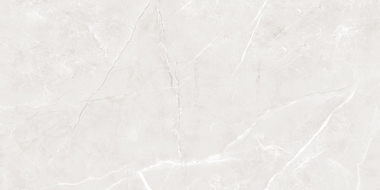
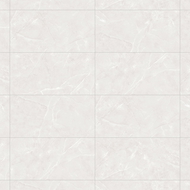




You need to know which grout works best with white tiles to create a cohesive and attractive interior design. Although it is a small detail, it affects the appearance of the entire room. Pay attention to the color, width, and type of grout to achieve the best finish for your space. White tiles work perfectly in both small and large rooms, which is why they are worth choosing.
What Will You Learn from This Article?
White tiles offer a wide range of design possibilities. They create a sense of visual spaciousness, and their versatile nature means they suit both modern and classic interiors. To achieve a cohesive surface, it is worth choosing the right grout. In this article, you will learn:
- Why can grout color significantly affect the appearance of a floor or wall?
- What types of grout are available?
- Are light or dark grouts easier to keep clean?
- How should you choose grout based on the shape and layout of the tiles?
What Grout Works Best with White Tiles?
The two most popular types of grout are epoxy and cement grout. Their quality has a major impact on the durability and appearance of the surface.
Epoxy Grout
Epoxy grout is a mixture of resin and hardener. It creates a highly durable, watertight joint that is resistant to water, mold, and stains. Epoxy grout is relatively expensive and more difficult to apply than cement grout, but it offers excellent resistance to damage.
Cement Grout
Cement grout is available at an attractive price and in a wide range of colors. It is easy to apply and widely available in home improvement stores. It is worth choosing a high-quality product marked CG2, as it offers increased resistance to damage. Since this material is naturally rigid, it is worth replacing it with silicone in corners and at wall joints.
Check which grout is the most durable.
.jpg)
How Do You Choose Grout Color for White Tiles?
You have a wide choice of grout colors. You can choose either lighter or darker shades. In rooms exposed to intensive use, such as kitchens or hallways, bright white grout is not always the best choice. It can be difficult to clean. However, keep in mind that limescale and water deposits will eventually become visible on very dark grout. In most rooms, especially in the bathroom, neutral colors such as gray and beige look great. They are easy to keep clean and suit modern interiors.
Frequent dirt is less visible on them. You can clean them with commonly available cleaning products.
White Grout
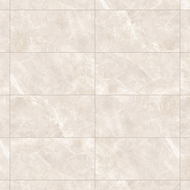
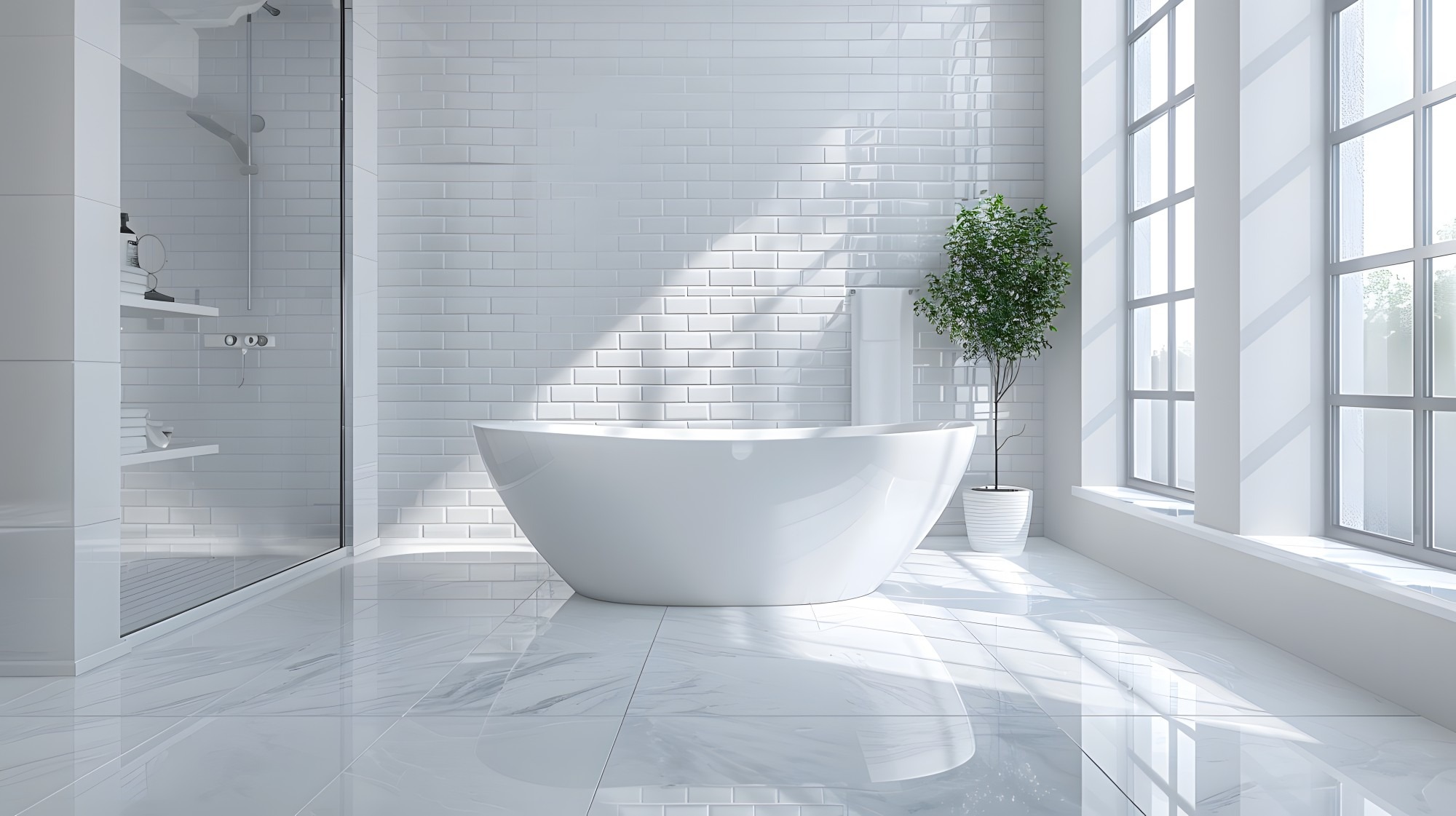
White grout creates a uniform surface with a minimalist appearance. It is an ideal solution for Scandinavian and modern interiors. Visually, it creates a uniform surface on walls and floors, with the divisions between tiles barely visible. Rectified edges enhance this effect, allowing you to use minimal grout joints.
Although beautiful, white grout is unfortunately difficult to maintain. Over time, dirt becomes visible, especially in bathrooms and kitchens, where moisture is common. Visually, however, white grout is the perfect match for white tiles.
Gray or Beige Grout
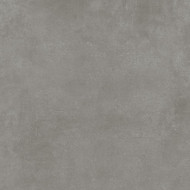
Gray, beige, and sand-colored grouts are among the most frequently chosen solutions by people creating attractive yet practical interiors. They add warmth to designs featuring white tiles. They suit japandi, soft loft, minimalist, and boho interiors.
Beige grout pairs very well with wood and tiles that imitate natural materials. Gray grout is an even more practical and versatile solution. Light gray grout emphasizes the tile layout. By choosing darker shades of gray, you create a stronger contrast between the white tiles.
Black Grout
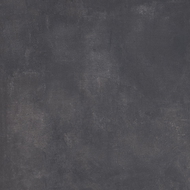
Black grout creates a strong contrast with white tiles. You can use it to add character to an interior. This solution works best in industrial, loft, and modern interiors.
Black grout pairs perfectly with rectangular tiles. However, you should be careful, as its intense color highlights any surface imperfections. To avoid mistakes, check how to prepare the substrate before laying tiles.
How Does Joint Width Affect Interior Design?
The grout width should be matched to the type of tile. For large-format tiles, narrow joints measuring 2 to 3 mm work best. The surface then looks cohesive. Rectified glazed porcelain stoneware looks best, as its edges are designed for the thinnest grout joint, measuring 1–1.5 mm. Such a narrow joint helps create an almost uniform surface on both walls and floors.
For smaller tiles or mosaics, choose a grout with a classic width. It emphasizes the natural tile layout and helps maintain even spacing between the tiles. The minimum width should be 2 mm. Standard tiles without perfectly straight edges will then have a durable grout joint with a classic appearance.
.jpg)
How Do You Choose Grout for the Shape and Layout of Tiles?
To make the best grout choice, you need to consider the shape and layout of the tiles in the room.
- If you want to create a uniform, subtle background, grout in a color similar to the white tiles is an excellent solution.
- To emphasize the size, pattern, or laying method of the tiles, you can choose light gray, dark gray, or black grout. This will create greater contrast and draw attention.
Choosing the Right Grout for White Tiles Is Not Easy — Here Is How to Get It Right
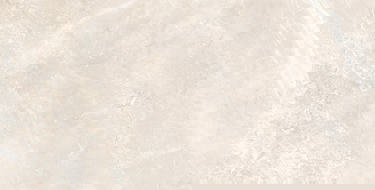
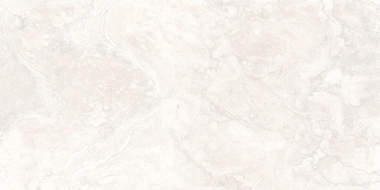
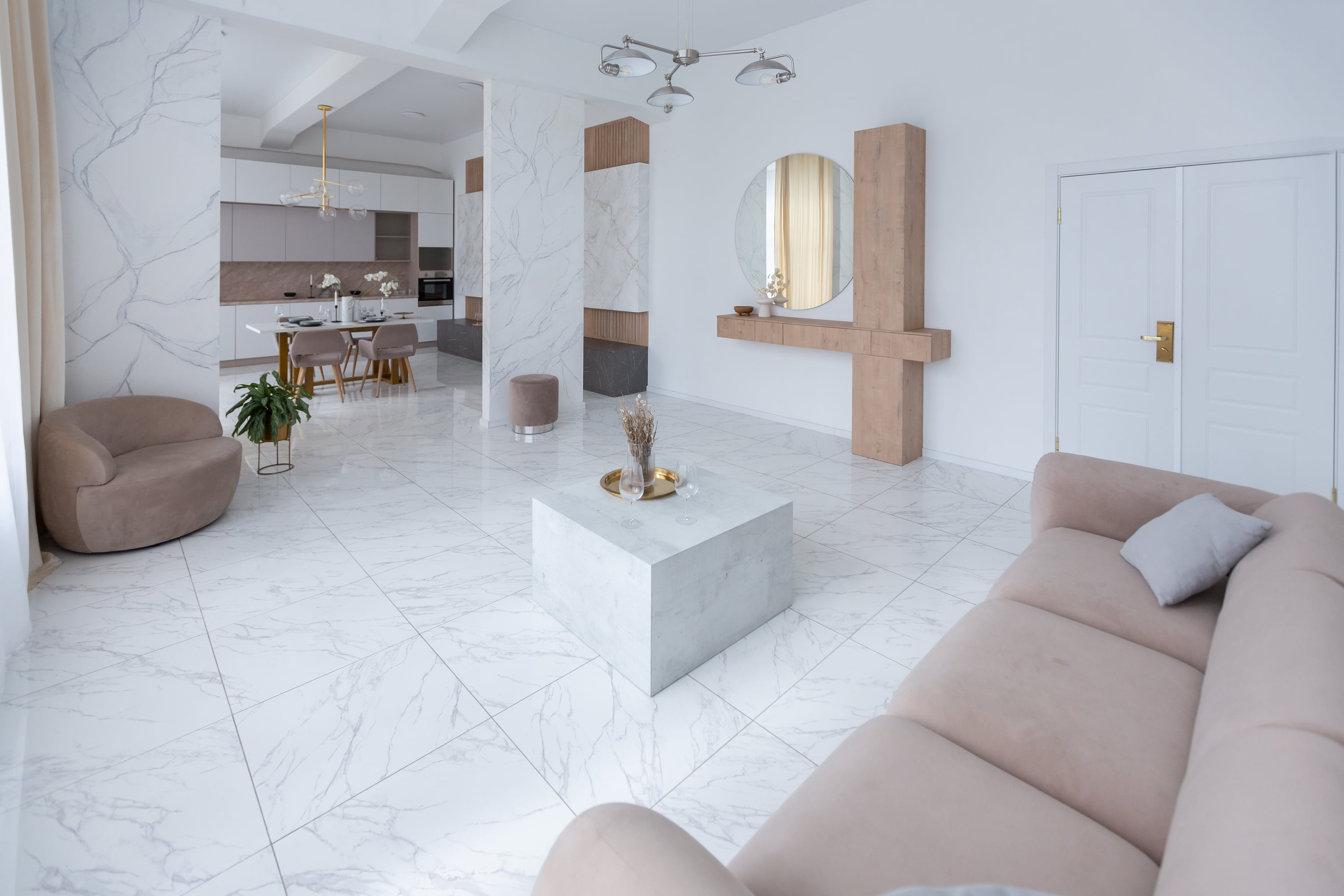
White tiles are a versatile choice for kitchens, bathrooms, and many other rooms in the home. They help create a harmonious surface and have a positive effect on the visual appeal of an interior. You can enhance their appearance even further by choosing the right grout color.
- White grout with white tiles creates a uniform surface that works perfectly in minimalist and modern interiors.
- A versatile and easy-to-clean solution is gray grout. It creates a subtle contrast with white tiles and gently emphasizes their layout. It effectively conceals dirt, making it suitable for heavily used rooms.
- To add warmth to your chosen interior style, pair white tiles with beige grout. It pairs well with wood and tiles that imitate natural materials.
Related products
Mexen Dicta White glazed rectified porcelain stoneware, floor-wall tile 120 x 60 cm, carving - TL408-120-060-02
€32.20/m2 -19.91%
€25.79/m2List price: €32.20/m2
Lowest price: €25.79
Availability: 2026-12-22
Mexen Faro Grey glazed rectified porcelain stoneware G1, floor-wall tile 120 x 60 cm, gloss - TL138-120-060-00
€28.60/m2 -19.97%
€22.89/m2List price: €28.60/m2
Lowest price: €22.89
Availability: In stock
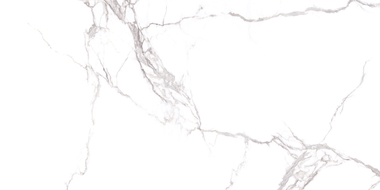
Mexen Micado Satvario rectified glazed stoneware, floor and wall tile 120 x 60 cm, gloss - TL146-120-060-00
€28.60/m2 -19.97%
€22.89/m2List price: €28.60/m2
Lowest price: €22.89
Availability: In stock


Mexen Super White Glazed Rectified Porcelain Tile G1, Floor and Wall Tile 120 x 60 cm, Gloss - TL174-120-060-00
€33.90/m2 -19.79%
€27.19/m2List price: €33.90/m2
Lowest price: €27.19
Availability: In stock


Mexen White glazed rectified porcelain stoneware G1, floor-wall tile 120 x 60 cm, gloss - TL134-120-060-00
€28.60/m2 -19.97%
€22.89/m2List price: €28.60/m2
Lowest price: €22.89
Availability: In stock