























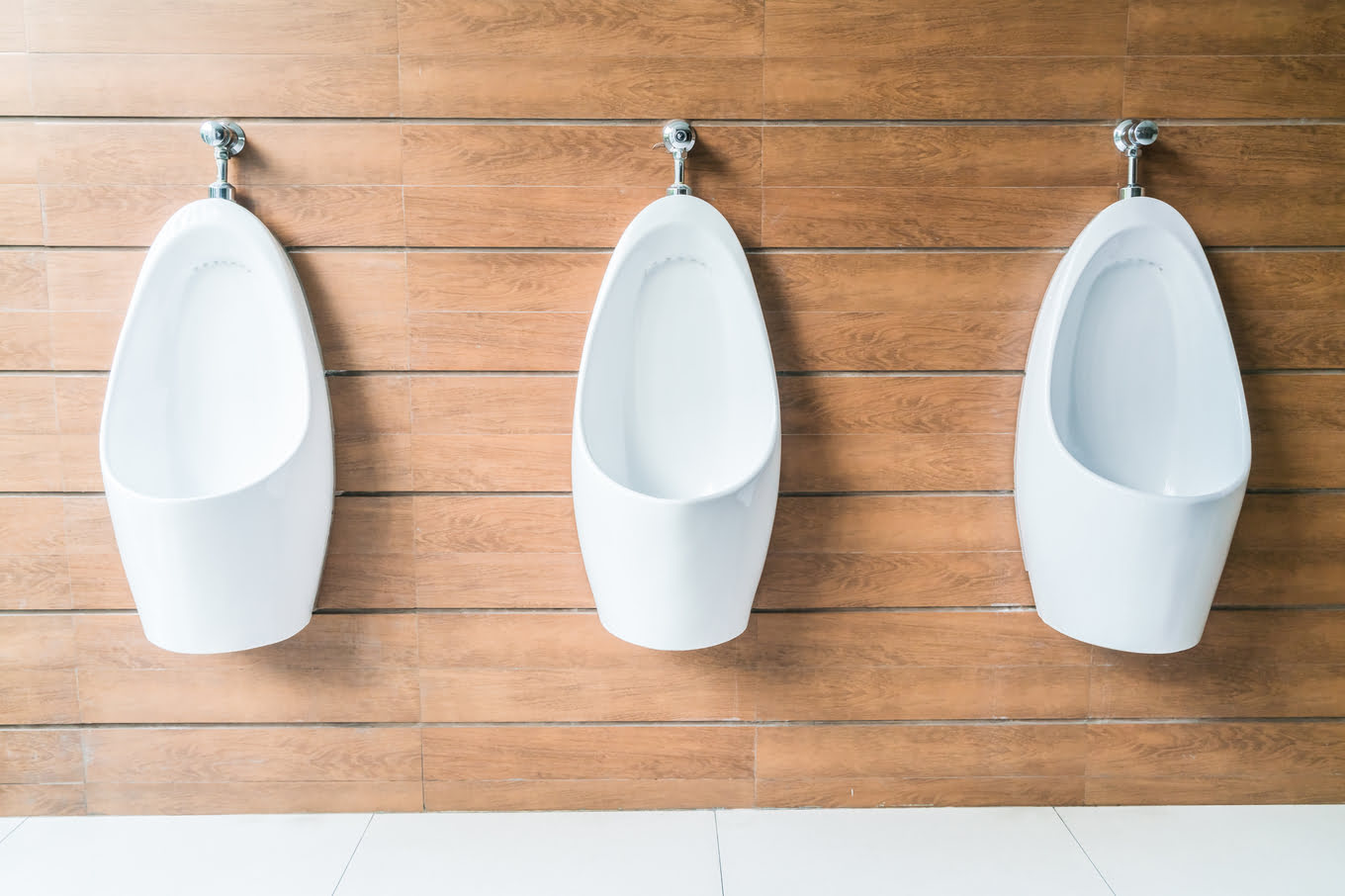
A urinal is a solution that is increasingly appearing not only in public restrooms but also in private bathrooms. If you want to install it in your home, you can do it yourself even if you have no experience in installation or plumbing work.
Installing a urinal might seem complicated, but with proper planning and tools, you can certainly manage. In this article, we will discuss step by step how to install a urinal in the bathroom so that it works flawlessly.
Before Installing a Urinal
The first step in installing a urinal is, of course, choosing the right location. Make sure it is easily accessible and allows for full comfort and privacy. It is also important to ensure adequate ventilation to avoid moisture and mold build-up around the urinal.
Next, make sure you have the necessary tools and accessories handy for installing the urinal. Appropriate tools include:
- pipe wrench,
- spirit level,
- seals,
- screws,
- nails,
- plugs,
- silicone for sealing,
- urinal with installation kit.
The installation method will vary depending on whether you decide to install the urinal directly on the bathroom wall or on a frame built into the wall. The latter option is definitely more challenging and might require the help of professionals.
Urinal Installation - 13 Steps
Start by familiarizing yourself with the urinal installation method described in the device manual provided by the manufacturer, as different models of urinals may have slightly different installation requirements.
- Find and turn off the valve that shuts off the water supply.
- Determine the appropriate height for the urinal installation - the best height depends, among other things, on the needs of the household members.
- Mount the brackets, i.e., installation holders and drain pipes. Make sure they are firmly attached, as this will prevent the device from wobbling and potential leaks.
- If the urinal is equipped with a flush tank, it should be installed now - check that all connections are tight and there are no leaks. Before continuing with the installation, also verify that the flush tank is operating correctly.
- In the case of urinals connected directly to the installation, a hole must be prepared in the wall to place the flush valve.
- Install the valve and outlet pipe in the prepared hole.
- The next step in installing the urinal is attaching the urinal bowl to the brackets and drain pipes. The bowl must be evenly and stably positioned, and all connections thoroughly sealed. Use a spirit level to check whether the urinal is hanging straight.
- After securing the urinal bowl, you can proceed to connect it to the water source. Properly connect the pipe to the cold water valve, using a pipe wrench. Ensure the connections are tight and without leaks.
- If you choose a waterless urinal, skip the above step.
- One of the last steps is connecting the urinal to the sewage system. Connect the drain pipe mounted to the siphon, which must be connected to the sewage system.
- You can now turn on the valve that shuts off the water supply and check the urinal's operation. Carefully examine whether water is leaking from the flush or siphon connections. If necessary, tighten the individual elements.
- If you decide on a model with automatic flushing, you can connect the device to power. Remember to have access to an electrical outlet when planning your urinal installation.
- After finishing the installation, clean the area around the urinal of any dirt and debris from the installation, then apply silicone to seal the connections between the urinal and the wall or floor.
As you can see, installing a urinal can be a demanding task, but with proper preparation and our guide, you can successfully install a urinal in your own bathroom.
Choosing the Right Place for Urinal Installation
When deciding to install a urinal in your bathroom, you need to consider where exactly it is best to mount it. The location must be adapted to the needs of the bathroom user, but at the same time, it must not hinder others from using it. Therefore, it is best to opt for a urinal model that will not take up too much space.
The most frequently purchased urinals are wall-mounted, but floor-standing models are also available, which take up significantly more space. For small bathrooms, corner urinals are ideal, allowing for efficient use of the available space. The most important thing is to place the urinal in direct proximity to the plumbing; otherwise, you're facing major renovations.
Installing a Urinal - What Else to Remember Beforehand?
The sanitary fixtures market offers a wide range of different types of urinals. They differ by the following aspects:
- installation method:
- wall-mounted,
- mounted on the frame,
- floor-standing,
- type of flush system
- manual,
- automatic,
- waterless,
- size.
This last feature is very important because it determines the comfort of using the bathroom. In public restrooms, there are strict guidelines regarding the dimensions of the toilets and urinals installed. In private homes, it's not necessary to follow them, but the urinal should be mounted in such a way that it does not interfere with the free use of the bathroom.
At What Distance Should a Urinal Be Installed?
The standard height for installing urinals is about 70-75 cm above the floor, measured from the edge of the "beak" of the urinal. At home, you can, of course, adjust the height to the needs of the users.
Most urinals are 35-35 cm wide. Before purchasing the chosen model, check whether it will fit in the bathroom. Remember, you must leave space between the other bathroom elements, such as the washbasin, toilet bowl, or furniture.
In terms of distance, don't forget about the space between the front edge of the urinal and the wall opposite the device. The absolute minimum is 40 cm, but the optimal distance is at least 60 cm - it can be more.
Is Installing a Urinal Worth It?
More and more people are considering installing such devices in private bathrooms. But is it always a good idea? Many men believe that urinals are much more convenient to use than a classic toilet bowl. It is worth considering such a solution if you have space, ideally if it is a separate toilet or a second bathroom.
Cleaning the urinal does not require much effort. Modern devices are coated with a layer that reduces limescale buildup. As a result, regular flushing and periodic use of toilet disinfecting gel are sufficient. Remember that the urinal bowl installed in the bathroom should match the other elements of the room, creating a cohesive and elegant whole.
At mexen.ie, you can choose from several product series. Choose one and transform the appearance of your bathroom.
How to Install a Urinal Yourself – Summary
Installing a urinal can be challenging, but with the right approach and tools, it's doable. Remember to thoroughly review the manufacturer's instructions and follow the recommendations. After installation, regularly check the urinal's condition to prevent potential leaks and issues.