
















The heating season usually lasts from the end of September or the beginning of October until the end of April or mid-May. In multi-unit buildings, the decision to turn the heating on or off is made by the administrator or property manager. It is worth knowing which factors determine the shortening or extension of the heating season, in accordance with the regulation of the Minister of Economy.
What will you learn from this article?
The first cool nights, which appear as early as the beginning of September, do not automatically affect the decision to turn on the heating in apartment blocks. You will learn from this article:
- Which weather conditions determine when the heating is turned on?
- What determines the end of the heating season?
- How long does the 2026/2027 heating season last?
.jpg)
When does the 2026/2027 heating season begin?
There is no single specific date that makes it necessary to continuously supply heat to buildings. Weather conditions determine this, but traditionally central heating is turned on at the end of September or the beginning of October.
The final decision is made by the building manager or administrator after consultations with residents or the supervisory board. Owners of detached houses are in a better position, as they independently decide when to turn on central heating once they consider the rooms too cold. Check what types of home heating are available.
It is worth emphasizing that not only the temperature outside matters. Forecasts for the following days, the energy standard of the property and the building's ability to retain heat are also taken into account. An approximate indicator considered by building managers before making a decision is an average outdoor temperature remaining between 10 and 12 degrees Celsius for several consecutive days.
If you want to become independent of the administrators' decision to turn on the heating in your apartment, invest in an electric radiator. Modern models feature touch controls with an LED display and a built-in thermostat that makes it easier to maintain the optimal temperature. The system is economical and ensures thermal comfort in the rooms.
How long is the heating supplier required to provide heating?
The length of the heating season varies each year, but it most often ends in late April or early May. Weather conditions and the daily temperature also determine when your radiators will become cold again.
Building managers usually turn on the heating when the average outdoor temperature drops below 10–12°C and remains at that level for at least three consecutive days. Legal regulations are an additional guideline: the temperature in living spaces should not fall below 20°C (or 24°C in bathrooms).
Legal regulations and weather conditions
Under Polish law, this concept is defined by the Regulation of the Minister of Economy of January 15, 2007, on detailed conditions for the operation of the heating system. The regulation defines the heating season as the period during which weather conditions make it necessary to continuously supply heat in order to heat buildings.
The regulation does not specify any exact dates for the beginning and end of the heating season. In Poland, this depends on the weather and the decisions of building managers.
What should you do before the heating season begins?
Residents of detached houses should begin preparing their heating systems for efficient operation before the heating season. This enables real savings and ensures the proper operation of room radiators.
- Have your chimney inspected — if you have a gas installation, solid-fuel boiler or fireplace, have the chimney inspected once a year.
- Have the boiler and heating system inspected — an annual technical inspection of the boiler is the responsibility of every owner and affects safe operation during the heating season. You will also avoid the unpleasant surprise of the boiler failing to start on a cold day.
- Bleed the radiators — open the radiator valves and close them when water starts flowing out without bubbling. This is a sign that the radiators are working correctly.
- Clean the radiators — remove dust from inside the radiators. Accumulated dirt reduces their efficiency and causes unpleasant odors.
- Check the efficiency of thermostatic heads — make sure they turn freely and allow you to set the room temperature.
- Check the condition of the seals in windows and doors — every leak in the house leads to heat loss, which in turn results in higher heating bills. Home insulation is very important.
- Ensure free airflow — radiators must not be covered by curtains or large pieces of furniture. This disrupts the circulation of heat in both houses and apartment blocks.
.jpg)
The heating season doesn't have to be a nuisance!
The year is divided into the heating season and the period when heating is not required to achieve a comfortable indoor temperature. At the turn of September and October, the weather becomes unfavorable enough for heating to begin in apartments, and owners of detached houses also turn on their heating systems.
If you take care of the cleanliness of your radiators and the efficiency of your heating system before the heating season, you will reduce your heating bills and deliver more heat to your rooms. If your property has not been renovated for a long time, it is worth considering replacing the radiators with new ones to avoid breakdowns during the greatest frosts.
Related products
Mexen C22 panel radiator 600 x 1000 mm, side connection, 1653 W, white - W422-060-100-00
€144.70 -19.98%
€115.79List price: €144.70
Lowest price: €115.79
Availability: In stock
- New
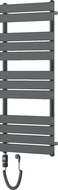
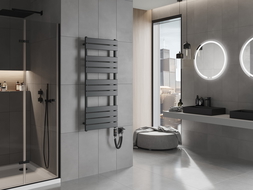
Mexen Ceres electric radiator 1200 x 500 mm, 600 W, anthracite - W111-1200-500-2600-66
€328.60 -20%
€262.89List price: €328.60
Lowest price: €213.73
Availability: In stock

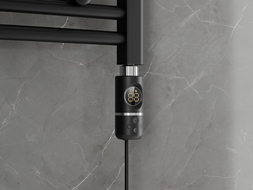
Mexen FA-I electric heater 600 W, black - W952-0600-70
€83.90 -19.92%
€67.19List price: €83.90
Lowest price: €54.63
Availability: In stock
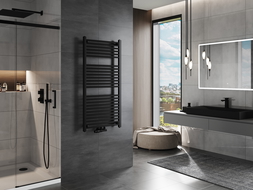
Mexen Mars bathroom radiator 1200 x 600 mm, 617 W, black - W110-1200-600-00-70
€128.60 -19.99%
€102.89List price: €128.60
Lowest price: €102.89
Availability: In stock

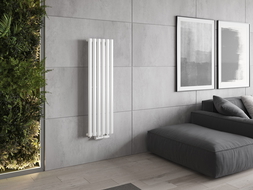
Mexen Oregon decorative radiator 1200 x 360 mm, 417 W, white - W202-1200-350-00-20
€164.30 -19.97%
€131.49List price: €164.30
Lowest price: €131.49
Availability: In stock