























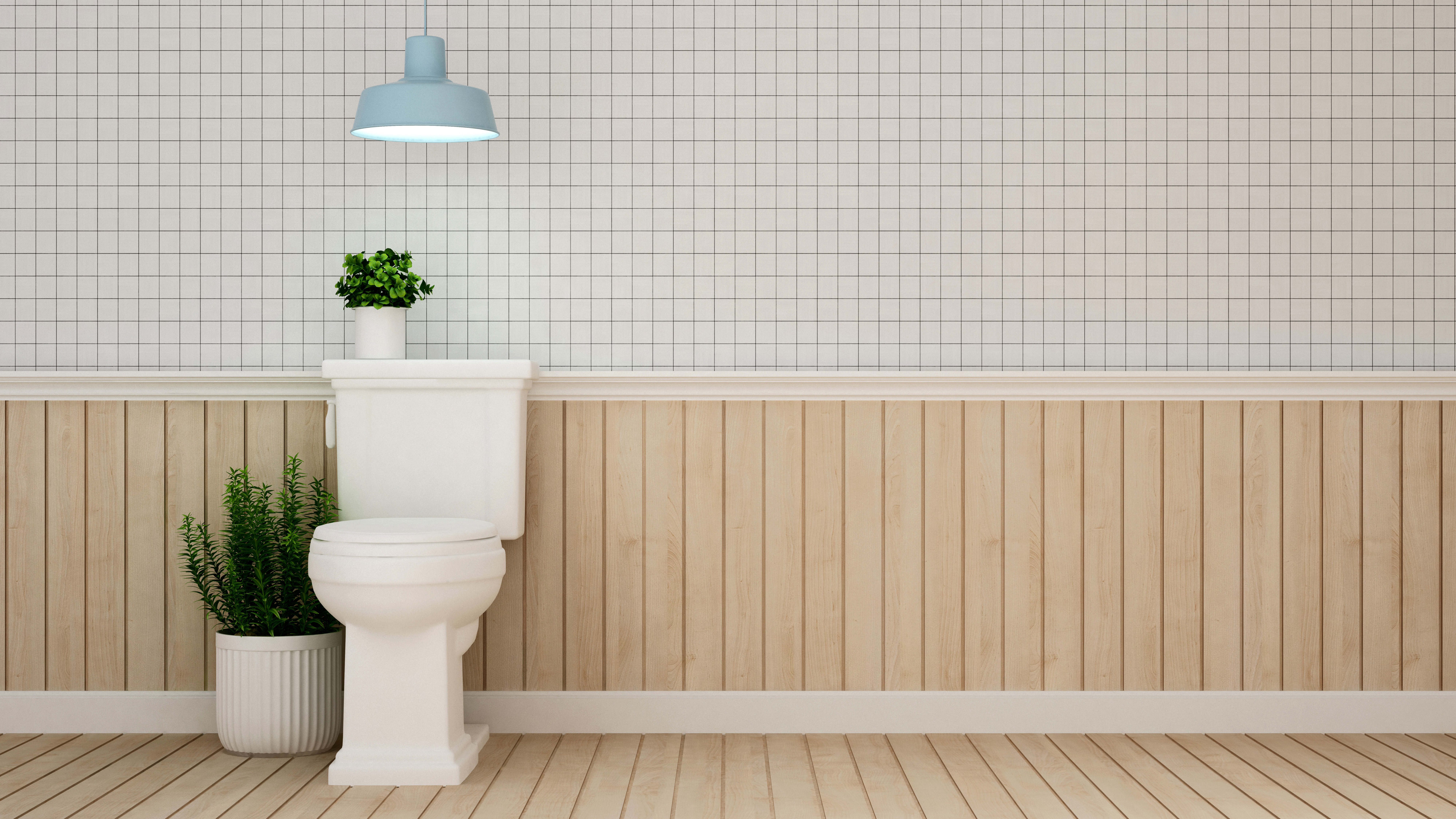
WC compacts remove waste using water and then transport it through the drain pipe to the sewage treatment plant or septic tank. After flushing the toilet, the tank is automatically filled until a specified level in the tank is reached. To prevent overflow, a float is installed in the tank that controls the water level. This is the main principle of the flush operation and the whole flushing process associated with it. As you can see, flushing is a complex mechanism! The problem arises when the discharge mechanism is damaged. Let's see how to repair a leaking flush and restore the proper functioning of the toilet.
The working of a flush - what should you know?
A standard compact flush, available with the toilet bowl, consists of two valves - a filling and a flushing valve. The first is used to supply water to the flush, and the second for flushing the bowl; the discharge works by pressing the flushing button, which empties the contents of the vessel. A very important part of the mechanism is the float that floats on the water surface and closes the valve. To prevent water from pouring out of the toilet, every toilet is equipped with a so-called bell, which closes the flushing valve.
Repairing a leaking flush - where to start?
If you notice even small leaks, don't ignore them! A leaking toilet flush is not only annoying but can generate huge water bills. Imagine that water runs down the bowl in a thin stream 24 hours a day. The longer you ignore the malfunction, the more likely it is that the stream will expand and the meter will spin faster and faster. Where to start?
- Turn off the filling valve.
- Remove the cover and flush the toilet - once the valve is blocked, the water should not refill in the discharge mechanism.
- Try to find the outlet valve (usually located in the center).
- Unscrew the nuts under the flush.
- To replace the washers, push them out with a screwdriver and install new parts.
Float - most common problems
Continuous water supply to the flush is a signal that may indicate improper float positioning. If it is too high, the filling valve remains slightly open, causing water to constantly leak through the emergency overflow into the toilet bowl. Repairing this fault involves adjusting the position of the float. To restore the proper operation of the mechanism, simply remove the top cover of the tank (sometimes also unscrew the flush button) and use a plastic screw to position the float at the optimal height.
Don't be discouraged if the first attempts are unsuccessful - it will work out at some point! If it doesn't, there might be a damage to the float. If, despite your attempts to repair it, you are unable to restore the desired float position, you have two options - replace the valve or hire a plumber to repair the filling valve.
DIY repair or professional help?
If you don't feel confident and are worried about making a mistake when installing a new mechanism, call a professional. Purchasing materials needed for valve replacement won't burden your budget - in DIY stores you will find good-quality sets, whose price doesn't exceed 20-30 PLN. Before making a purchase, pay attention to the diameter of the connection pipe.
In the offer of bathroom fitting accessories manufacturers, you will find models whose connection pipe diameter is 1/2 or 3/8 inch. Once you have the necessary equipment, shut off the water supply and remove the flush cover. Remember to prepare for a small flood! Bring a basin in which the remaining water will flow. After dismantling the faulty valve, install a new one and connect the water supply pipe. Finally, remember to adjust the float level.
Related products

- Bathroom Days
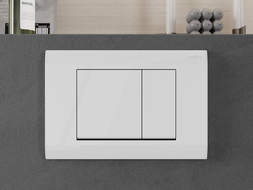
Mexen Fenix 01 flush button, glossy white - 600100
€33.90 -19.79%
€27.19List price: €33.90
Lowest price: €27.19
Availability: In stock

- Bathroom Days
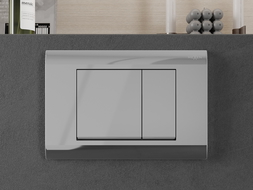
Mexen Fenix 01 flush button, shiny chrome - 600101
€51.80 -19.9%
€41.49List price: €51.80
Lowest price: €41.49
Availability: In stock

- Bathroom Days
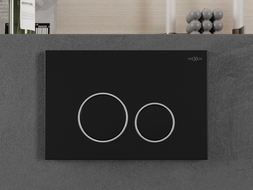
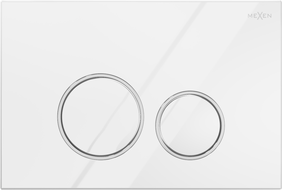
Mexen Fenix 05 flush button, black matte - 600503
€44.70 -19.93%
€35.79List price: €44.70
Lowest price: €35.79
Availability: In stock
- Bathroom Days
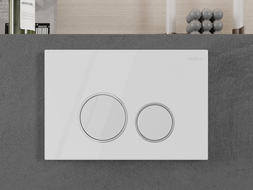
Mexen Fenix 05 flush button, glossy white - 600500
€33.90 -19.79%
€27.19List price: €33.90
Lowest price: €27.19
Availability: In stock