










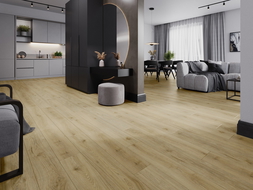








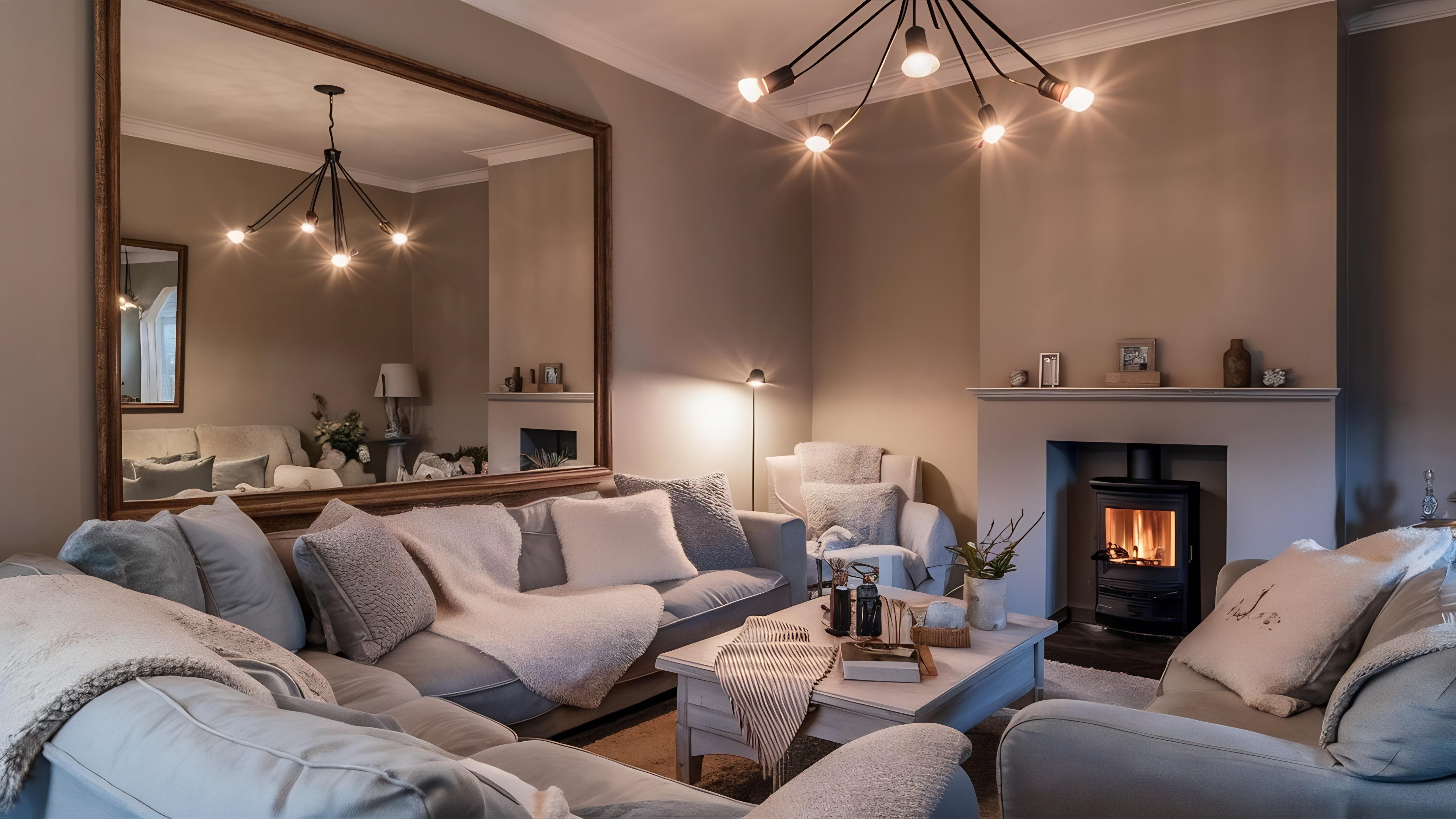
Warm or cold light is a very common dilemma faced by people designing a home. The difficulty in making a decision arises mainly from the wide selection of bulbs with different color temperatures available on the market. Different light is suitable for the kitchen, yet another for the living room and bedroom. By choosing the right lighting, you influence not only the atmosphere of the interior but also your well-being.
What will you learn from this article?
Before deciding which light color works best in your interiors, learn as much as possible about the subject.
- How to create a cozy atmosphere in a room using light?
- In which rooms is warm light most suited?
- In which rooms is it worth using cold light?
- How does ceiling lighting affect mood?
Why does light color matter?
The most important aspect when considering whether to introduce warm or cold light into the home is the knowledge about color temperature. This value is expressed in Kelvins, symbolized by K. The lower it is, the warmer and more yellow the light is. Similarly, the higher the value, the cooler and whiter the shade you get.
Light color has a significant impact on well-being, mood, and also the efficiency of actions taken. However, it depends on individual preferences what lighting you will use in your home. We only suggest which lighting to choose for specific rooms to achieve desired effects.
Light color temperature can have the following values:
- Warm light — from 2700 K to 3000 K. It has a yellowish tint that positively influences relaxation and unwinding after a tough day at work. It creates a cozy atmosphere, is gentle on the eyes, which is particularly important in the evening, just before going to sleep.
- Cold light — above 5000 K. It features a cool, even bluish tint with a stimulating effect. It boosts energy and supports concentration. Cold light is not recommended for the bedroom, as it hinders falling asleep, especially when used in the evenings. It may disrupt the biological clock.
- Neutral light — approx. 3500–4500 K. This is a good compromise between cold and warm light. It works well in rooms where focus is necessary, such as offices, but it doesn't have the negative consequences that cold light can sometimes cause.
Check also, how to choose the right lighting power for the room.
Warm or Cold Light — suitable lighting for individual rooms
According to the general rule, yellowish light is recommended wherever you want to rest, relax, and unwind before bed. For dynamic activities, especially work, cold light color is recommended.
Remember that these are only suggestions. Always choose lighting based on your own preferences. You must feel the best you can in your home, and light has a significant impact on that.
In which rooms is warm light best suited?
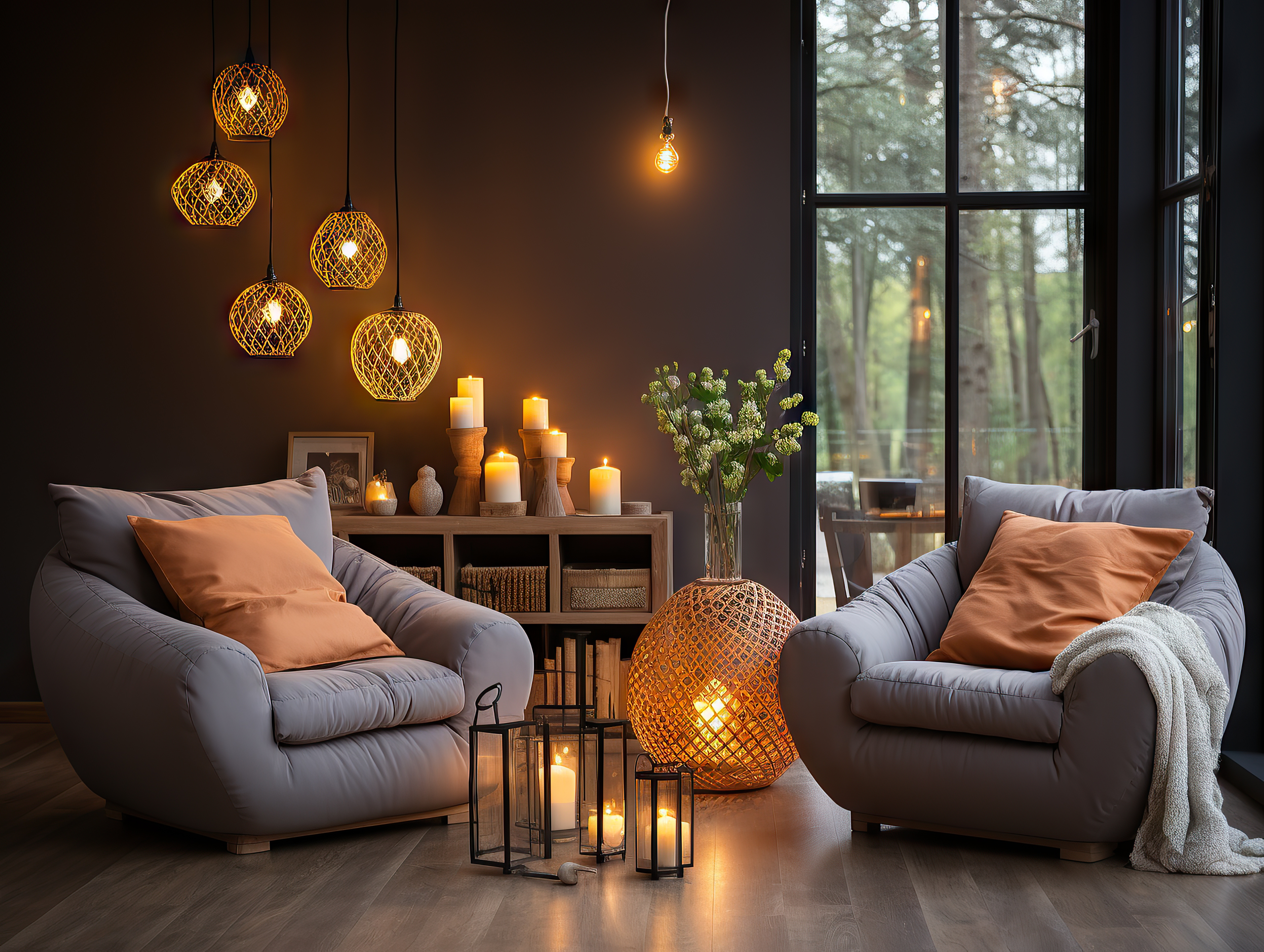
Warm light, with its yellow tint, is pleasant and gentle, which is why most people choose it for many rooms in the home. It is reminiscent of candle flames and fire, which soothes the senses and puts you in a state of blissful relaxation.
Warm light color is an excellent choice for rooms where you rest and relax. Opt for
LED bulbs with warm light in the bedroom, children's room, and even a home spa. Place them in:
- Additional lighting, such as bedside lamps placed right next to the bed in the bedroom.
- Decorative sconces located above the sofa in the living room.
- Lamps without shades, when you want to use decorative light sources in the room.
How does warm color temperature affect mood?
Warm light excellently aids relaxation, unwinding, and calming down. It makes it much easier to overcome bad moods and unwind after a tough day at work. Warm color also works well for children. It helps them calm down after many hours of intense play.
Where is it worth using neutral color temperature?
The golden mean between warm and cold color is neutral light. It is natural and similar to daylight. It works excellently in places where one interior is supposed to perform several functions. The room in which it primarily finds application is the living room combined with a kitchen, where children also like to play. It facilitates various activities such as resting, playing, and working. The light, although bright and clear, is pleasant.
Neutral light color can be used in central lighting, e.g., in a large pendant lamp or a floor lamp.
How does neutral light affect mood?
Neutral color temperature does not significantly impact mood. This is exactly why you can use it in both relaxation rooms and workspaces.
Is cold light color a suitable choice for home?
Cold light color, often referred to as white or bluish, is primarily associated with warehouse and industrial halls, but it has been used in home interiors for some time now.
Choosing lighting with a white light color enhances efficiency at work. It is a good choice for a home office, workshop, library, but also the kitchen, especially above the worktop — find out why.
White light is also a popular choice for bathrooms, because it facilitates daily hygiene and makeup activities. See which types of bathroom lighting are most popular.
Cold color works perfectly with almost any ceiling lighting used in minimalist interiors. Choose it for:
- various types of spotlights,
- ceiling spots,
- point sconces,
- desk lamps.
How does cold color affect mood?
Lighting with cold color stimulates and supports efficient work. However, you must remember that prolonged exposure to such intense light has negative consequences. It's essential to take short breaks, like going to another room or using natural light. This way, the circadian rhythm won't be disrupted, and you won't struggle with falling asleep in the evening.
Conscious choice of the ideal lighting for the home
LED technology allows for choosing lighting to meet individual needs. You have a wide range of color temperatures, from very warm to very cold colors. When choosing bulbs, always consider the rooms they'll be used in.
- Warm colors promote relaxation and rest.
- Cool colors suit modern interiors. They are well-suited for offices, bathrooms, and rooms where focus and concentration are desired.
- Neutral colors are a safe alternative between warm and cool light. These LED bulbs fit various rooms, especially multifunctional ones that should encourage relaxation, play, and efficient action.
Related products

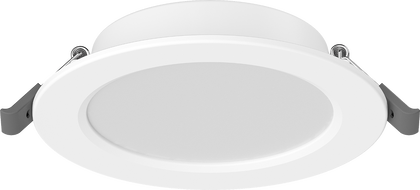
Mexen LDRR 12 cm LED Downlight Ceiling Panel, Recessed, 6W, Neutral - 4000K, 600 lm, White - L210-012-0640-20
€2.20 -18.64%
€1.79List price: €2.20
Lowest price: €1.79
Availability: In stock

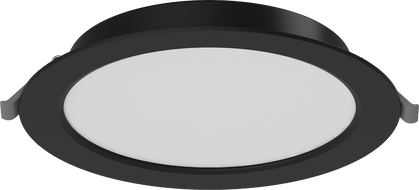
Mexen LDRR ceiling downlight LED panel recessed 17 cm, 12W, Neutral - 4000K, 900 lm, black - L210-017-1240-70
€4.30 -18.84%
€3.49List price: €4.30
Lowest price: €3.49
Availability: In stock
- New
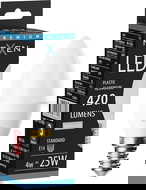
Mexen Nova LED Bulb E14, C37, 4W, Warm - 3000K, 420 lm - L102-E14-0430-01
€1.10 -19.09%
€0.89List price: €1.10
Lowest price: €0.72
Availability: In stock
- New
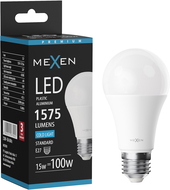
Mexen Nova LED Bulb E27, A60, 15W, Cool - 6500K, 1575 lm - L100-E27-1565-01
€1.80 -17.22%
€1.49List price: €1.80
Lowest price: €1.21
Availability: In stock
- New
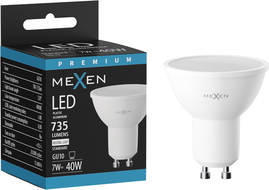
Mexen Nova LED Bulb GU10, 7W, Neutral - 4000K, 735 lm - L107-GU10-0740-01
€1.20 -17.5%
€0.99List price: €1.20
Lowest price: €0.80
Availability: In stock