






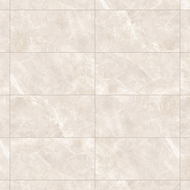













The terrace is undoubtedly the heart of the backyard relaxation area, especially in the picturesque surroundings of residential homes. This is where we drink our morning coffee, organize family dinners, and relax after a hard day's work. However, to ensure that this space provides the desired aesthetic look, high doses of aesthetics, and serves household members for many years, it is crucial not only to choose beautiful cladding but, most importantly, to ensure their proper installation. How to lay terrace tiles so they can survive Polish winters, sudden temperature changes, and intensive usage without any damage?
At Mexen, we know that in construction, the devil is in the details. Poorly laid tiles are not only a visual problem that ruins the building's finishing touch but also a risk of cracking, material delamination, and destructive water accumulation. By relying on proven technologies, we have prepared an extensive guide for you that will take you through the process of laying terrace tiles, taking care of every technical detail and floor durability.
Material Selection: From Porcelain to Concrete Slabs and Construction Durability
Before the final answer is given to the question of how to lay terrace tiles, we need to focus on the raw material itself. Not every material that looks good indoors can handle the demanding outdoor conditions. Terraces are extreme environments where weather conditions and moisture and changes in vapor pressure work destructively on weak products. Appropriate material strength is the foundation of success.
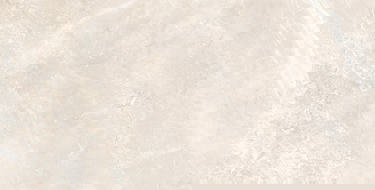
Initially, it is worth considering porcelain tiles, which have dominated Polish balconies for years. Large-format concrete slabs and modern 2 cm thick porcelain tiles, characterized by extremely high technical parameters, have also been gaining popularity.
What to Pay Attention to When Choosing Tiles?
- Low Water Absorption and Resistance: This is the absolute foundation. Terrace tiles must have this parameter below 0.5%. Why? Because water infiltrating the material's structure increases its volume when freezing and literally bursts the ceramic from the inside.
- Frost Resistance: Look for the snowflake symbol. Materials resistant to moisture and frost guarantee that the external layer will not start peeling off after the first winter.
- Slip Resistance: Marked with the letter R. For safety, especially when rainwater appears on the terrace, choose tiles with class R10 or R11.
- Tile Thickness: When laying a larger surface, especially where we plan heavy garden furniture or a grill, tiles of appropriate thickness (e.g., 20 mm) provide indisputable mechanical strength.
Mounting Methods: Traditional vs. Modern Space Arrangement
When considering how to lay terrace tiles, you must choose a technology adapted to your vision of arrangement and the type of substrate. Currently, there are three main trends that find wide application in construction:
- Adhesive Method (Wet): Classic laying of terrace tiles on concrete using adhesive mortars. Creates a permanent floor form.
- Ventilated Method: Laying tiles on special adjustable supports. It's been a hit in recent years due to its ease of water drainage under the tiles.
- Dry Method: Allows for laying tiles directly on the ground or creating impressive porcelain tiles on grass, ideal for garden paths.
How to Lay Terrace Tiles Using the Traditional Method? Step by Step Instructions
If you have chosen a traditional terrace with porcelain tiles mounted on adhesive, you must prepare for strict adherence to the work stages.
Step 1: Substrate Preparation and Maintaining Slope
Proper substrate preparation for flooring counts as 70% of success. The concrete screed should not be neglected. It must be seasoned and have a slope of 1.5% to 2%. Without this slope, rainwater will accumulate near the walls, leading to facade degradation.
Step 2: Waterproofing – Protective Layer Against Moisture
This is the stage where people often make erroneous savings. A tight waterproofing layer must be applied under the adhesive layer. It should be applied evenly over the entire surface, paying particular attention to sealing in the corners. This ensures that the entire terrace finish will be completely moisture-resistant.
Step 3: Adhesive Selection and Technique Ensuring Adhesion
Laying porcelain on the terrace requires a C2TE S1 class mortar. Using a notched trowel, apply the adhesive using the combined method: both on the substrate and on the back of each tile. This is crucial for the adhesive's grip. When laying porcelain tiles, it's worthwhile to assist with rubber mallet taps to eliminate air gaps. Remember: every empty space under the tile is a place where water can accumulate, which will burst your work in winter. Using full support ensures the tiles' guaranteed stability.
Step 4: Grouting and Expansion Joints for Terrace Aesthetics
Laying terrace tiles does not end with just bonding. Grouts on the exterior should be wider than those inside the building – about 3-5 mm. Narrow joints will not absorb thermal stresses, which will lead to cracking and deterioration of the terrace aesthetics. Moreover, for larger areas, expansion joints are necessary, allowing the entire terrace surface to "breathe".
Laying Terrace Tiles on Supports – Modern Tile Fastening
More and more people are asking how to lay terrace slabs without messy wet work. The answer is the ventilated system. Installing 2 cm thick porcelain tiles on plastic supports is a solution that easily eliminates most problems. Such mounting does not require adhesive, making the structure's stability dependent on the precise placement of the supports.
Advantages of Laying Tiles on Supports:
- Drainage: Water freely flows between the tiles to the insulation below.
- Stability: Heavy terrace tiles are held in place by their own weight.
- Ease of Repair: Each tile can be lifted at any time.
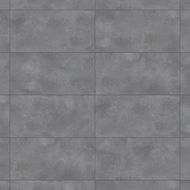
This system allows for a terrace with minimal joints, which looks extremely modern, especially in trendy gray shades or concrete imitations.
Common Mistakes – What to Avoid When Laying Tiles?
Even knowing theoretically how to lay terrace tiles, mistakes can easily occur. Here's a list of the most common blunders:
- Poor Substrate Preparation: Laying cladding on a dirty screed drastically reduces the adhesion and stability of the tiles.
- Lack of Full Support: Placing tiles "on spots" is the shortest path to mechanical damage.
- Incorrect Expansion Joints: Skipping expansion gaps will cause your flooring to crack during the first summer.
- Using Incorrect Chemistry: Using adhesive that cannot handle moisture and temperature changes.
Terrace Care and Maintenance – The Key to a Durable Finish
Knowing how to lay terrace tiles is only half the battle. To keep the terrace pleasing to the eye, it requires periodic maintenance. Although modern porcelain tiles exhibit tremendous durability, it's worth keeping the joints clean and regularly removing leaves or sand. In the case of ventilated terraces, it's advisable to check once a year whether water freely drains from under the floor surface.
Summary: Choose Mexen for Your Terrace Arrangement
Laying terrace tiles yourself offers great satisfaction and allows you to create a space perfectly suited to your garden arrangement. However, it requires patience and strict adherence to technical principles. Remember, the same rules you apply on the terrace are worth transferring to other parts of the property, e.g., when building a practical garage driveway.
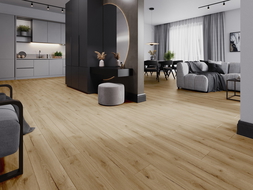
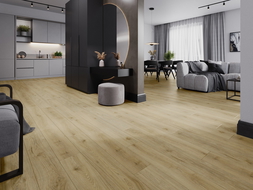
At Mexen, we offer a wide selection of materials perfect for building a modern floor. Our tiles, from classic porcelain to modern wood-like ones, combine high durability with world-class design. Visit mexen.pl and find inspirations that will help you create your dream terrace that will be a showcase of your property for many years!
Need more advice? Check out our other posts on how to lay terrace slabs on different types of soil and how to choose lighting that highlights the final finish of your new tiles!