



















LED lighting for the bathroom is often chosen by enthusiasts of modern technologies and convenience. It is energy-efficient, safe, and very versatile. Just choose a light source with the appropriate level of sealing. By following a few practical tips, you can effectively plan the installation of LED lighting in your bathroom.
What will you learn from this article?
Modern LED lighting is an excellent solution for the bathroom. It features a long lifespan and many options to choose from. From this article you will learn:
- How to properly arrange light sources in the bathroom?
- Can you safely use LED lighting in the bathroom?
- In which situations LED lighting will not work in the bathroom?
What are the advantages of LED light sources?
LED lighting has been enjoying unwavering popularity for many years, especially among fans of comprehensive solutions and modern technologies. If you are wondering what lighting to choose for the bathroom, make sure to check out the advantages of LEDs.
- Energy efficiency — compared to traditional incandescent bulbs, LEDs consume up to 80% less electric energy. This translates into lower electricity bills and reduced carbon dioxide emissions into the environment.
- Durability — good quality LED bulbs last up to 40,000 hours. Replacement is rarely needed, which is economically very advantageous.
- Lighting control — LED strips and other lamp variants can be connected to a smart control system. From a mobile app you can adjust the brightness and color of the light, which allows you to create a unique atmosphere in the bathroom. Additional advantages are dimmers that effectively adjust the intensity of the light to your needs.
- Safety — most LED lamps have the appropriate protection class against water and moisture, which is a minimum of IP 44. This means you can safely use LED strips or LED strips in humid rooms.
Is LED lighting for the bathroom safe?
LED lighting is an excellent choice for the bathroom, but under certain conditions. First and foremostthe lamps must have the appropriate parameters, among which the most important is the degree of sealing of the fixtures expressed in IP (Ingress Protection).
- IP20 — the minimum level of protection for fixtures, which can be used in humid rooms. Such LED strips can be used high above the sink and anywhere where there is no risk of direct contact with water.
- IP44 — the fixtures have additional sealing, so they can be mounted close to water sources, e.g., above the bathtub.
- IP67/68 —this lighting can be used inside a shower cabin, as the fixture has a high degree of sealing.
How to plan modern bathroom lighting using LEDs?
LED lighting can be easily tailored to individual needs, as you have many attractive variants to choose from. LED lamps are available in various shapes and colors, so they fit perfectly into the decor of modern, minimalist, glamour, or classic bathrooms. If you choose the right lighting for the bathroom, you will emphasize the prevailing atmosphere, and the room decor will look even better.
Main bathroom lighting
Adjust the power of LED lighting to the size of the bathroom. If you want to place fixtures directly above the shower tray or bathtub, they must have a sealing class of at least IP44, but the higher, the better.
In the bathroom, frosted lampshades and frosted finish bulbs are very effective as main lighting. They provide excellent visibility in the interior, but they are not irritating to the eyes.
- LED bulb lamp — lighting placed in the central point on the ceiling provides uniform access to light throughout the bathroom.You can opt for attractive lampshades, track lights, or ceiling lights.For each of these lamps, you can choose LED bulbs.
- Recessed lighting in gypsum board — in modern arrangements, suspended ceilings and LED fixtures recessed into it are popular.
- LED strips — this solution can also be used in a suspended ceiling. It provides effective highlighting. It is essential to secure linear lighting with aluminum panels.
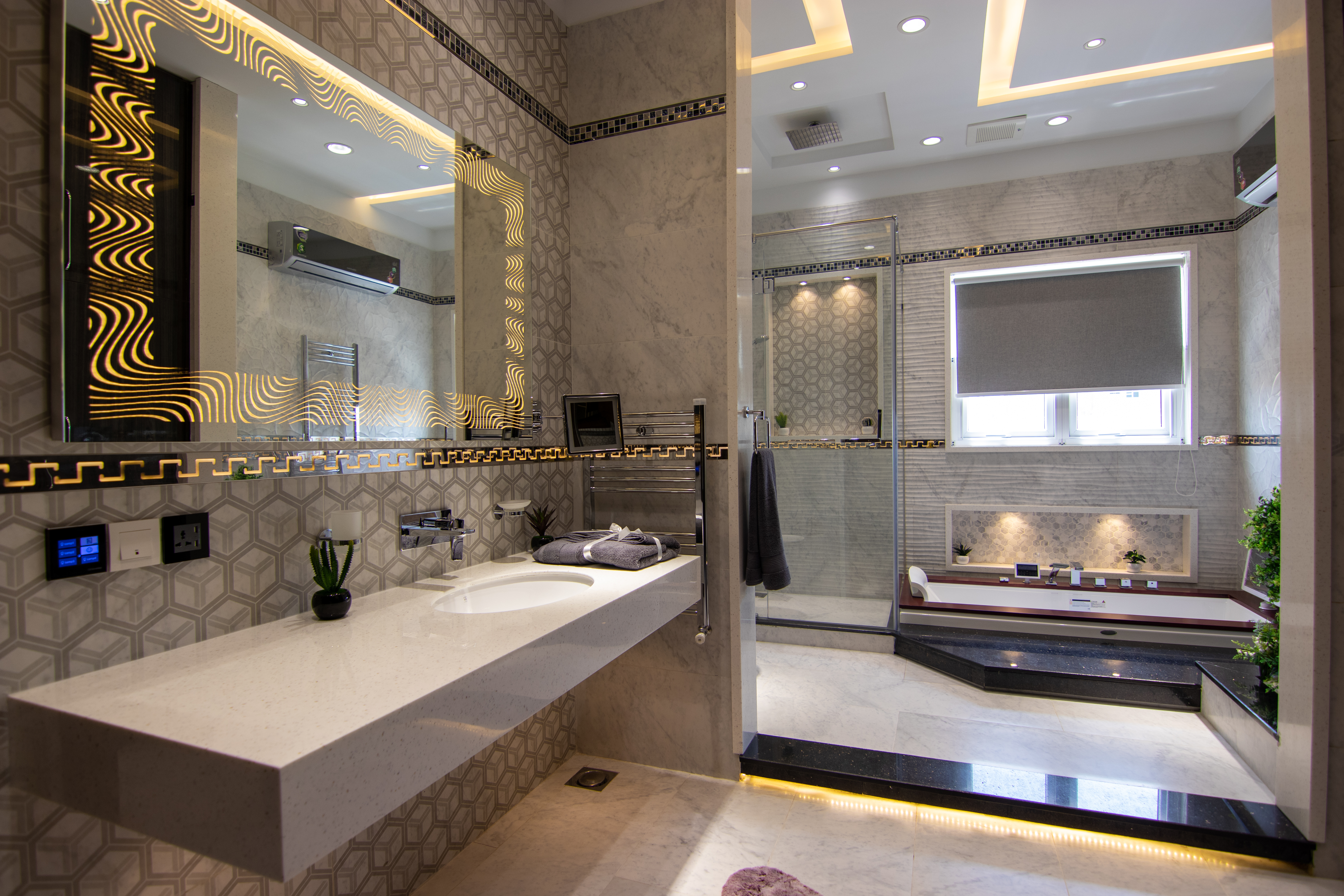
Local LED lighting
Local lighting is an excellent way to illuminate selected areas of the bathroom. It's worth considering this at the project creation stage.Additional lamps are useful where you want to relax, such as above or next to the bathtub, and also in the shower. It's also worth placing them close to the mirror, which is used for make-up and useful during morning and evening care. Check how to light the bathroom mirror.
Another advantage of local lighting is its use in work areas, such as storage places for chemicals, bathroom accessories, and towels.
You have several options to choose from when it comes to local lighting, such as:
- ceiling and wall lights,
- internal ceiling LED lights,
- recessed profiles with LED strips,
- mirrors with LED backlight.
Arranging additional lighting in the bathroom allows for creating a varied atmosphere in the interior, depending on your needs. When you need stronger light at the mirror, you turn it on, and when you want to relax, you only turn on the lights surrounding the bathtub or in the shower. Playing with light is exciting, so it's worth considering several different light sources in the bathroom design.
Decorative bathroom lighting
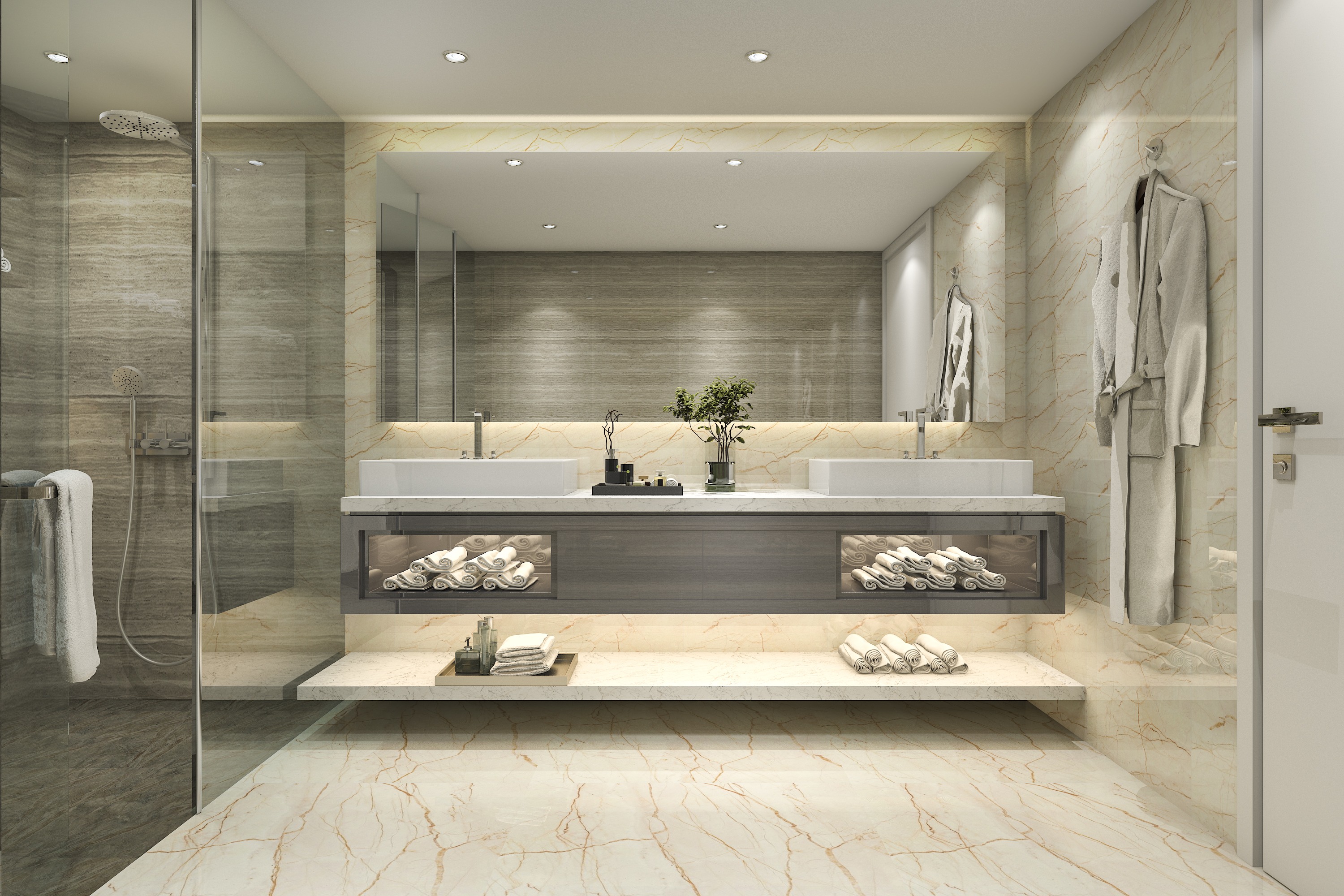
An interesting addition to any interior design, including the bathroom, is decorative lighting. In larger bathrooms, backlit suspended ceilings are very popular. Ceiling LED strips provide both delicate and extravagant lighting.
LED strips are very functional and versatile, so you can place them in the bathtub casing, spaces behind mirrors, niches, or bathroom shelves.
Strips and LED strips in the bathroom must be in aluminum profiles with covers, and if you want to install them in zones with direct water contact, choose hermetic profiles.
What is the best LED light color for the bathroom?
The light color greatly affects the atmosphere in the room and comfortable use of the space. Depending on the effect you want to achieve, use:
- Warm light —from 2700 to 3000 K. Thanks to it you will create an atmosphere perfect for relaxation.LED strips in this color can be placed near the bathtub, in the shower, or used to illuminate shelves.
- Neutral light — from 4000 to 4500 K. This is the best choice if you want to effectively light the mirror,where you do makeup or shave. This light color does not distort colors.
- Cool light — from 5000 to 6500 K. This color temperature is primarily used in modern interior arrangements. Be very careful with it, as you can achieve an unfavorable, almost clinical effect in the bathroom.
Also pay attention to the CRI indicator, i.e., the color rendering index. This is a detail that affects comfortable lighting use.For example, when near a mirror, it is worth choosing lighting with a CRI above 80. This way, you avoid skin color distortion and thereby do your makeup perfectly.
What mistakes to avoid when introducing LED lighting to the bathroom?
- Every bathroom requires special lighting with the appropriate sealing class due to very high humidity and direct contact with water.In such cases, standard lamps used in the living room or bedroom will not work.
- The wrong color near the bathroom mirror will prevent you from doing a perfect makeup.A 4000 K color, i.e., neutral light, works well. It naturally renders colors. If you want to avoid shadows on your face, ensure the light falls uniformly from both sides or from above.
- Ensure to select the appropriate light stream, expressed in lumens.In a small bathroom with an area of about 4 m², the main light should have about 600-800 lumens.
LED lighting for the bathroom is an investment in energy efficiency
LED lighting is standard in many modern interior designs, including bathrooms. When installed correctly, it will last without any problems for years.
The most important aspect you must remember is the IP sealing class. For the bathroom, choose fixtures with the appropriate sealing class – usually a minimum of IP44, and in zone 0, i.e., inside the bathtub, shower tray, or sink, fixtures with an IP67 or IP68 sealing class must be installed.
The bathroom space can be lit in several different ways. The best effect is achieved by combining a ceiling light with wall lights near the mirror and using decorative lighting in the form of an LED strip under the bathtub or on bathroom shelves.
Related products

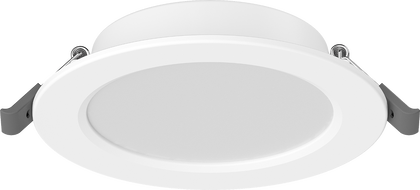
Mexen LDRR 12 cm LED Downlight Ceiling Panel, Recessed, 6W, Neutral - 4000K, 600 lm, White - L210-012-0640-20
€2.20 -18.64%
€1.79List price: €2.20
Lowest price: €1.79
Availability: In stock

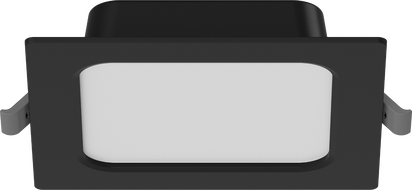
Mexen LDRR LED recessed ceiling downlight panel 12 x 12 cm, 6W, Cold - 6500K, 600 lm, black - L211-012-0665-70
€2.40 -17.08%
€1.99List price: €2.40
Lowest price: €1.99
Availability: In stock
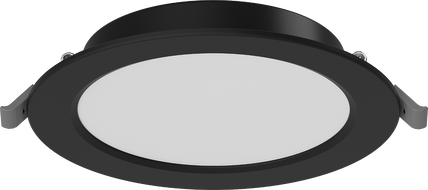
Mexen LDRR recessed LED downlight ceiling panel, 14 cm, 9W, Neutral - 4000K, 720 lm, black - L210-014-0940-70
€2.80 -18.21%
€2.29List price: €2.80
Lowest price: €2.29
Availability: In stock
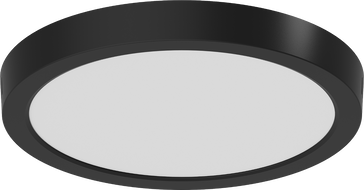
Mexen LDSR ceiling surface-mounted LED light fixture 30 cm, 24W, Neutral - 4000K, 1920 lm, black - L212-030-2440-70
€9.70 -19.69%
€7.79List price: €9.70
Lowest price: €7.79
Availability: In stock


Mexen LDSS LED Ceiling Surface Mount 22 x 22 cm, 18W, Neutral - 4000K, 1980 lm, white - L213-022-1840-20
€6.40 -18.91%
€5.19List price: €6.40
Lowest price: €5.19
Availability: In stock