

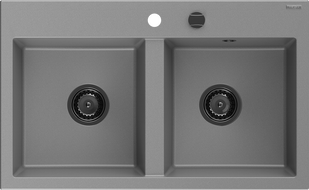
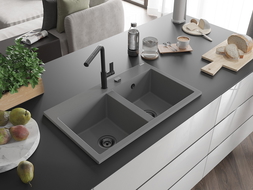
















Granite sinks are characterized by high resistance to mechanical damage, resistance to extreme temperatures, and an extremely aesthetic appearance. Keeping them clean does not require the use of specialized agents - the key to maintaining a perfect appearance is regularity and consistency. But what to do in case of stains and limescale deposits? Let's find out how to remove streaks from granite surfaces.
How to keep your granite sink clean?
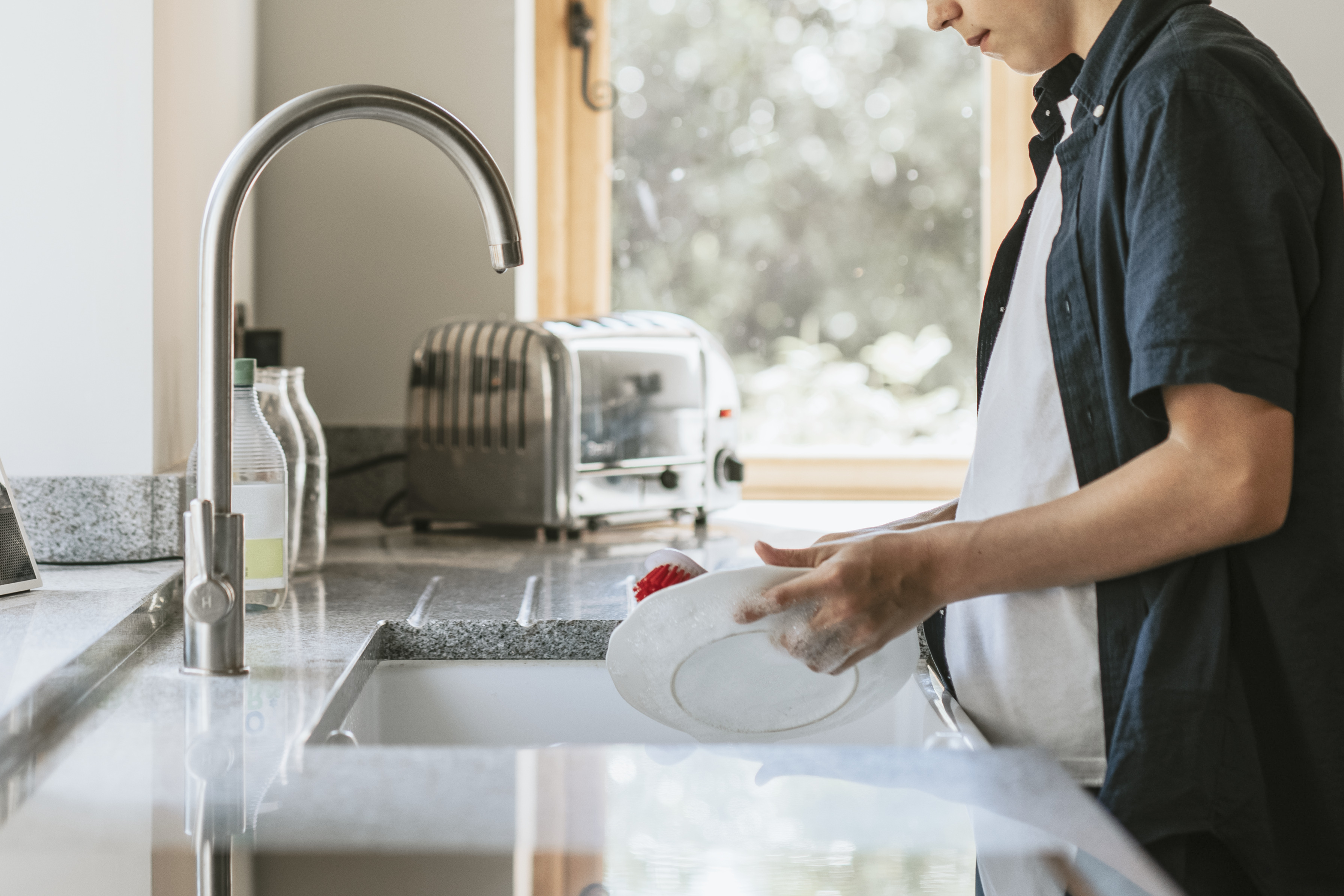
For daily cleaning of the granite sink, a sponge, washing-up liquid, and warm water are enough. Before you start cleaning, slightly wet the sponge under running water and squeeze a small amount of detergent onto its soft side. Clean the surface with small circular motions. Remember to use only the soft side of the sponge. After washing, rinse the sink with clean water and dry it with a microfiber cloth or paper towel.
Regular cleaning of the sink - why is it so important?
If you don't clean the sink for a long time, small stone particles appear on its surface. Deposits usually accumulate around the tap and on the drainer, as a result of water droplets evaporating. While the stone is easily visible on dark surfaces, it may initially go unnoticed on light-colored sinks. To prevent the formation of unsightly streaks and deposits, be sure to thoroughly dry the sink after each wash.
Heavily soiled granite sinks - how to clean them?
If you want to remove stubborn stains from the sink surface, use a baking soda solution. After mixing the soda and water in a 1-to-1 ratio, apply the paste over the entire surface, paying special attention to stained areas. Remember to use only soft cloths and sponges for cleaning. Proceed the same way as with washing-up liquid, reaching all nooks. If the stains are particularly resistant to removal, use agents dedicated to granite surfaces. However, remember not to use strongly acidic or basic agents, as they may damage the surface.
Cleaning a granite sink - what not to do!
Want your granite sink to keep its aesthetic appearance? Less is more - washing-up liquid and warm water are entirely sufficient! Remember not to use greasy and oily substances (unless for later impregnation), caustic agents, and liquids containing acids in their composition. Hydrochloric, citric, formic, or acetic acid often appear in cleaning agents for surfaces with limescale deposits - unfortunately, applying an acid solution to granite surfaces risks them becoming dull and developing hard-to-remove smudges.
Granite sink - is it really indestructible?
It's commonly stated that a granite sink is practically indestructible. Of course, used in domestic conditions, it will handle almost all challenges. However, if you don't want to spend time laboriously cleaning the surface, avoid pouring beetroot juice or red cabbage, wine residues, or fruit juices into the sink. The high content of dyes in products causes them to penetrate the sink surface, creating difficult-to-remove stains.
By following the above tips, you will ensure that your granite sink maintains its impressive appearance for many years. Don't limit yourself to cleaning the surface once a week - do it daily and you'll see how easily you can extend the lifespan of kitchen fittings. Systematic cleaning of the sink, careful maintenance with appropriate agents (even just vinegar) will extend the lifespan and protect the structure of the granite sink, so that its surface always looks as good as the day you bought it!
Related products
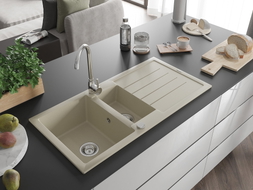
- Kitchen Days
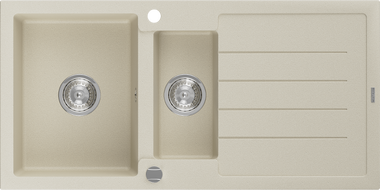
Mexen Andres 1.5-bowl granite sink with drainer 1000 x 500 mm, beige, chrome siphon - 6515101510-69
€178.60 -19.99%
€142.89List price: €178.60
Lowest price: €142.89
Availability: 2026-09-30
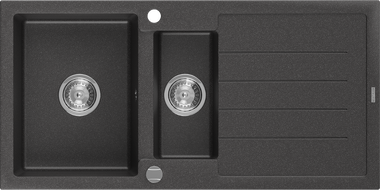
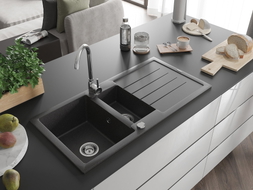
- Kitchen Days
Mexen Andres granit sink 1.5-bowl with drainer 1000 x 500 mm, black speckled, chrome siphon - 6515101510-76
€178.60 -19.99%
€142.89List price: €178.60
Lowest price: €142.89
Availability: In stock
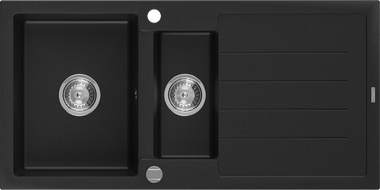
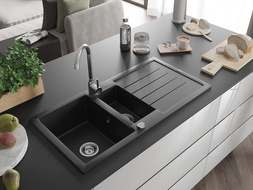
- Kitchen Days
Mexen Andres granite sink 1.5-bowl with drainer 1000 x 500 mm, black, chrome siphon - 6515101510-77
€178.60 -19.99%
€142.89List price: €178.60
Lowest price: €142.89
Availability: In stock
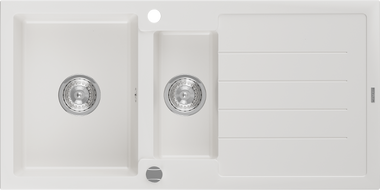
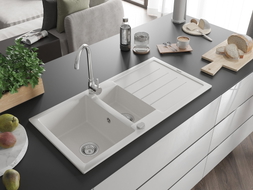
- Kitchen Days
Mexen Andres granite sink 1.5-bowl with drainer 1000 x 500 mm, white, chrome siphon - 6515101510-20
€178.60 -19.99%
€142.89List price: €178.60
Lowest price: €142.89
Availability: 2026-09-30