

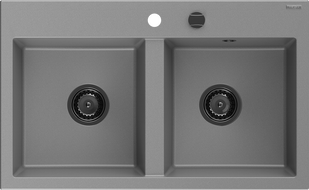
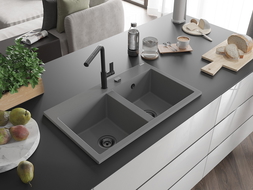


















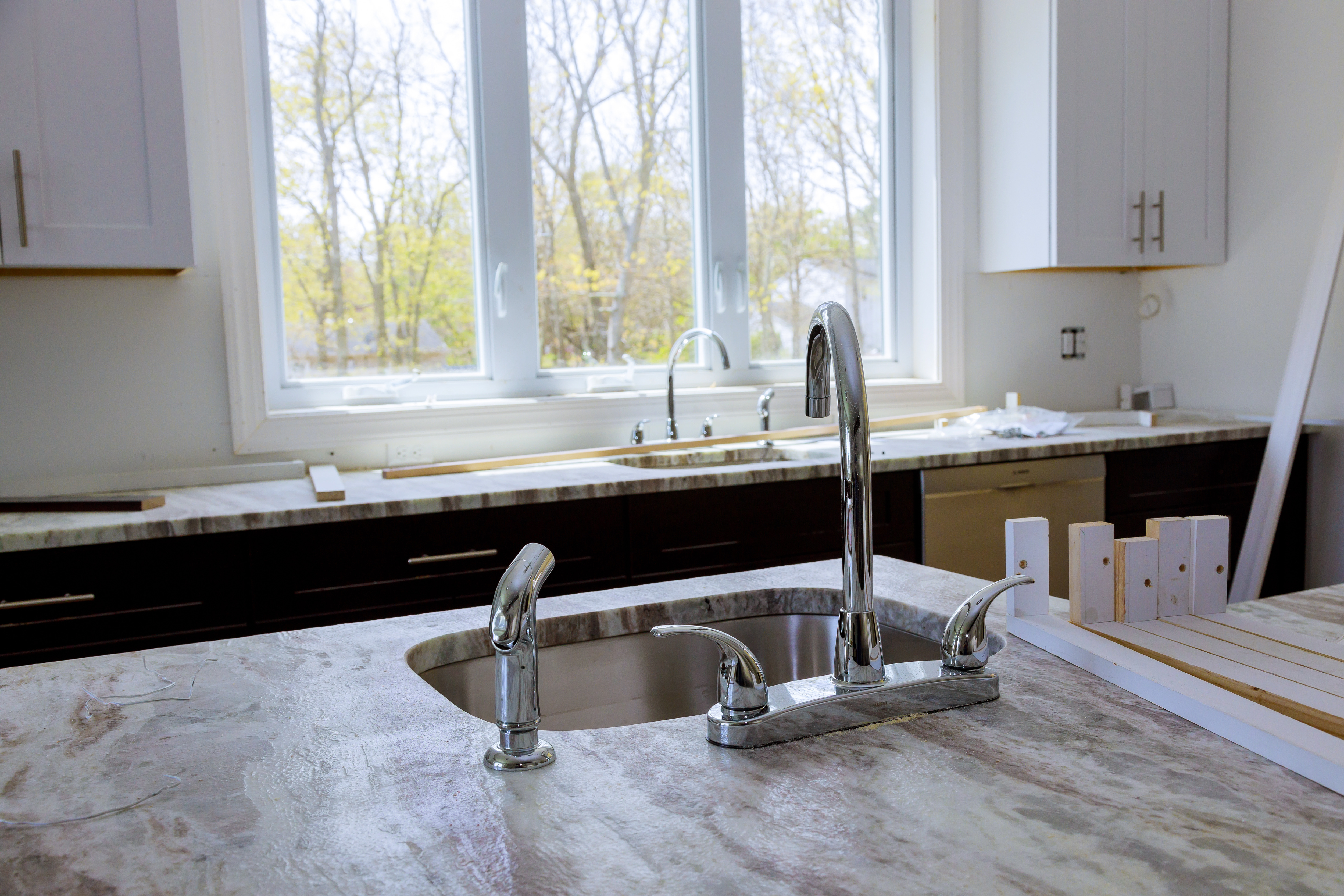
Are you wondering what to do to make your granite sink look like new? Many users forget that granite - despite its durability and resistance to mechanical damage - can lose its original shine over time. If you want your sink to maintain its visual appeal for a long time, ensure its regular maintenance. Not just once a week - clean it daily!
How to clean a granite sink?
Cleaning a heavily soiled granite sink does not require the use of chemical agents. Many people opt for home remedies instead of specialized preparations, such as baking soda paste and vinegar solution. Although the granite sink is not susceptible to mechanical damage, using products containing harsh abrasive ingredients can cause scratches. Avoid any coarse-grained products and absolutely refrain from using bleaches and corrosive substances. Use only gentle products - in the form of paste, liquid, or fluid with the addition of fine cleaning grains.
Granite as new - cleaning the granite sink with vinegar
If the surface of the granite sink appears dull and there are lime deposits forming, use a vinegar and water solution in a 1 to 1 ratio. After a few minutes, rinse the mixture with warm water and dry the sink with a paper towel. To achieve a glossy finish, you can grease the surface with ordinary edible oil. Remember to apply the mixture using a soft cloth or sponge. If the stain is particularly troublesome, use a mixture of two tablespoons of baking soda and a little water. The resulting paste has a very pleasant texture, so there is no fear of scratching the sink. Apply it similarly to the vinegar mixture - with a cloth or dish sponge.
Keeping the sink clean - persistent stains
The biggest enemy of granite is strongly coloring substances, such as coffee, tea, or wine. When pouring leftovers of drinks and juices into the sink, make sure to thoroughly clean the surface - ideally with dishwashing liquid applied to a sponge. Regular cleaning will eliminate the risk of pigments penetrating the composite structure and permanently staining the sink. If your sink already has stains and deposits, refrain from purchasing specialized agents. Before using chemical methods to renew the sink, fill it with water and vinegar and leave it overnight. Only when home methods do not bring results, can you resort to preparations dedicated to granite sinks.
Impregnating the granite sink with oil - how should it be done?
Impregnating the granite sink is particularly important for maintaining its visual qualities. Unfortunately, every interior equipment element wears out over time. Kitchen sinks are subjected to particularly intensive use, so it's crucial to make the surface resistant to mechanical damage and absorption of dyes. Impregnation processes can be carried out using ordinary oil - clean and dry the sink thoroughly before applying it.
The key to achieving a satisfactory effect with a granite sink is the even application of the product with a cloth or sponge. A thin layer of oil will not only prevent streaks but also beautifully polish the sink. A chemical impregnator can be used as a substitute for a natural impregnator in case of scratches. After thorough cleaning, simply spray the sink and leave the chambers to dry. After a few hours, use a cloth to remove the layer of preparation and then rinse the sink with warm water.
Related products
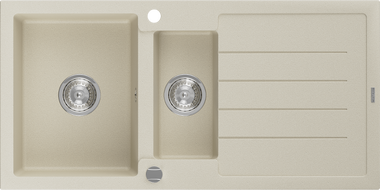
- Kitchen Days
Mexen Andres 1.5-bowl granite sink with drainer 1000 x 500 mm, beige, chrome siphon - 6515101510-69
€178.60 -19.99%
€142.89List price: €178.60
Lowest price: €142.89
Availability: 2026-09-30
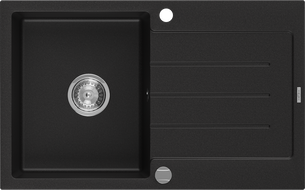
- Kitchen Days
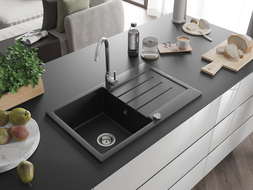
Mexen Bruno granite sink 1-bowl with drainer 795 x 495 mm, black, chrome siphon - 6513791010-77
€142.80 -19.97%
€114.29List price: €142.80
Lowest price: €114.29
Availability: In stock
- Kitchen Days
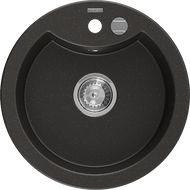
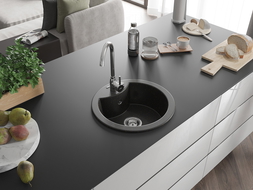
Mexen Diego granite sink 1-bowl 488 x 480 mm, black/gold metallic, chrome siphon - 6512481000-75
€132.20 -19.98%
€105.79List price: €132.20
Lowest price: €105.79
Availability: In stock
- Kitchen Days
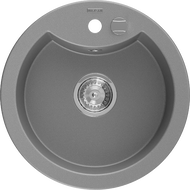
Mexen Diego granite sink 1-bowl 488 x 480 mm, gray, chrome siphon - 6512481000-71
€121.40 -19.94%
€97.19List price: €121.40
Lowest price: €97.19
Availability: 2026-09-30