













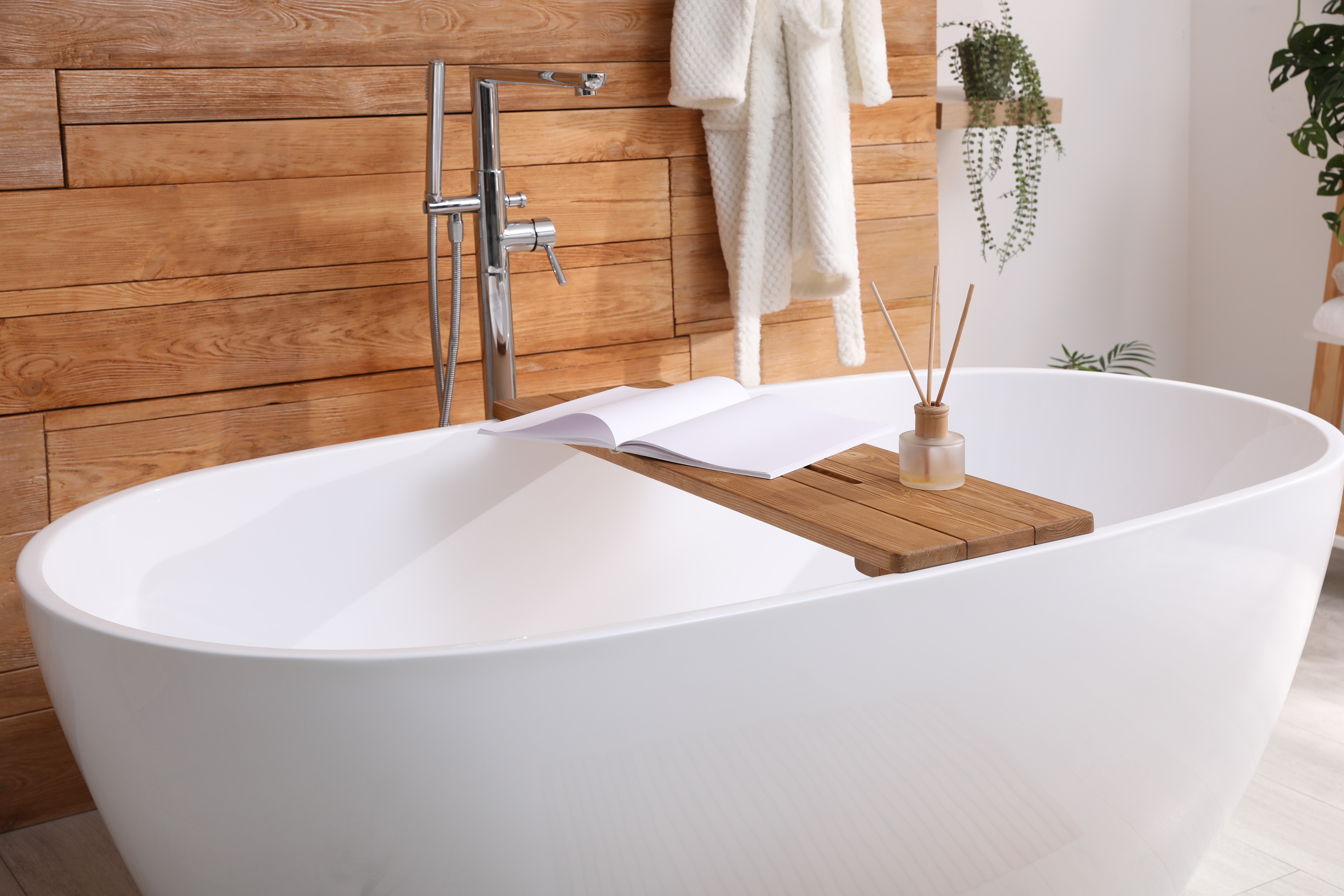
A bathtub is not only a bathroom fixture but one of those details that significantly influence the daily comfort of using this interior. Its size, shape, and ergonomics affect both the comfort of bathing and the functionality of the entire interior. That's why the right choice of bathtub should take into account the bathroom size as well as the lifestyle of the household members.
The market offers models in various sizes and forms, making it easy to find the perfect bathtub for any interior. From a small bathroom in an apartment to spacious bath rooms in a large house. In today's article, we suggest what dimensions to pay attention to, what solutions are most commonly found, and how to choose a bathtub size that will definitely work in your bathroom.
What will you learn from this article?
In this article, we explain how to choose a bathtub that will be both functional and suited to the bathroom space. We answer the most important questions that almost always arise when choosing the right model — for both small rooms and most bathrooms of standard size.
Read on to learn:
-
What bathtub dimensions are key for a comfortable bath?
-
How do standard bathtubs affect the aesthetics of the bathroom?
-
Why are smaller variants better for small spaces?
-
How to choose a bathtub that ensures comfort and relaxation after a hard day?
Of course, we will also summarize everything to make it easier for you to plan the space well and so that every household member can enjoy comfort while bathing.
Why is choosing the right bathtub so important?
Choosing a bathtub affects daily hygiene comfort and the practicality of the entire bathroom. Standard bathtub dimensions will not always be suited to the needs of the household members, so it's worth knowing how to choose a bathtub according to height and the layout of the room. Especially since with a large number of various models, it's very easy to make a mistake. Especially when we want to opt for some unusual shape of this fixture.
A poorly chosen bathtub will disrupt the proportions of the interior and make everyday use difficult. Yes, asymmetrical free-standing bathtubs are beautiful, but they are not necessarily the ideal solution for limited space. Considering the available space and adapting the bathtub to real installation possibilities is extremely important.
Choosing the right bathtub: Dimensions to pay attention to
The ideal bathtub not only looks good but also fits the bathroom and ensures daily comfort. Four basic parameters are important: depth, length, width, and capacity, which will vary depending on the type of bathtub, its shape, and installation method. Choose a model that provides comfortable relaxation every day.
Bathtub depth
Many people wonder what bathtub depth will be the best. It's worth knowing that the standard bathtub depth is between 38-45 cm. However, deeper bathtubs, which allow for even fuller body immersion, are becoming increasingly popular. Although they will certainly promote relaxation, they may be less convenient for children and older people.
Bathtub length and width
Bathtub length similarly affects bath comfort. The most common models are between 150 and 170 cm long, thus providing an optimal option for most bathrooms. However, this parameter is very personal, as taller people will likely prefer variants 180 cm to even 200 cm long, allowing them to stretch out their legs comfortably.
As for width, it usually ranges from 70 cm to 100 cm. The most popular rectangular bathtubs may be 75 cm, 80 cm wide. The wider the bathtub, the more freedom during bathing.
Bathtub capacity
Bathtub capacity is directly related to its dimensions and shape. Classic models usually hold from 120 to 180 liters of water. Larger specimens, including many free-standing models, can have significantly larger capacities. Round bathtubs may hold up to 400 liters of water. Although bathing in a large amount of water seems tempting, one cannot ignore that the larger the water consumption, the higher the bills.
Bathtub shape and its dimensions and ease of use
The shape of the bathtub affects the comfort of using the bathroom and its modern look. Different forms mean different proportions, depths, and design possibilities.
Among the most commonly chosen shapes, we can distinguish:
-
Rectangular bathtubs — classic, easy to install, and available in many sizes.
-
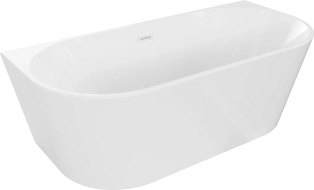
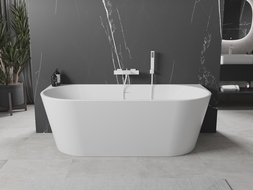
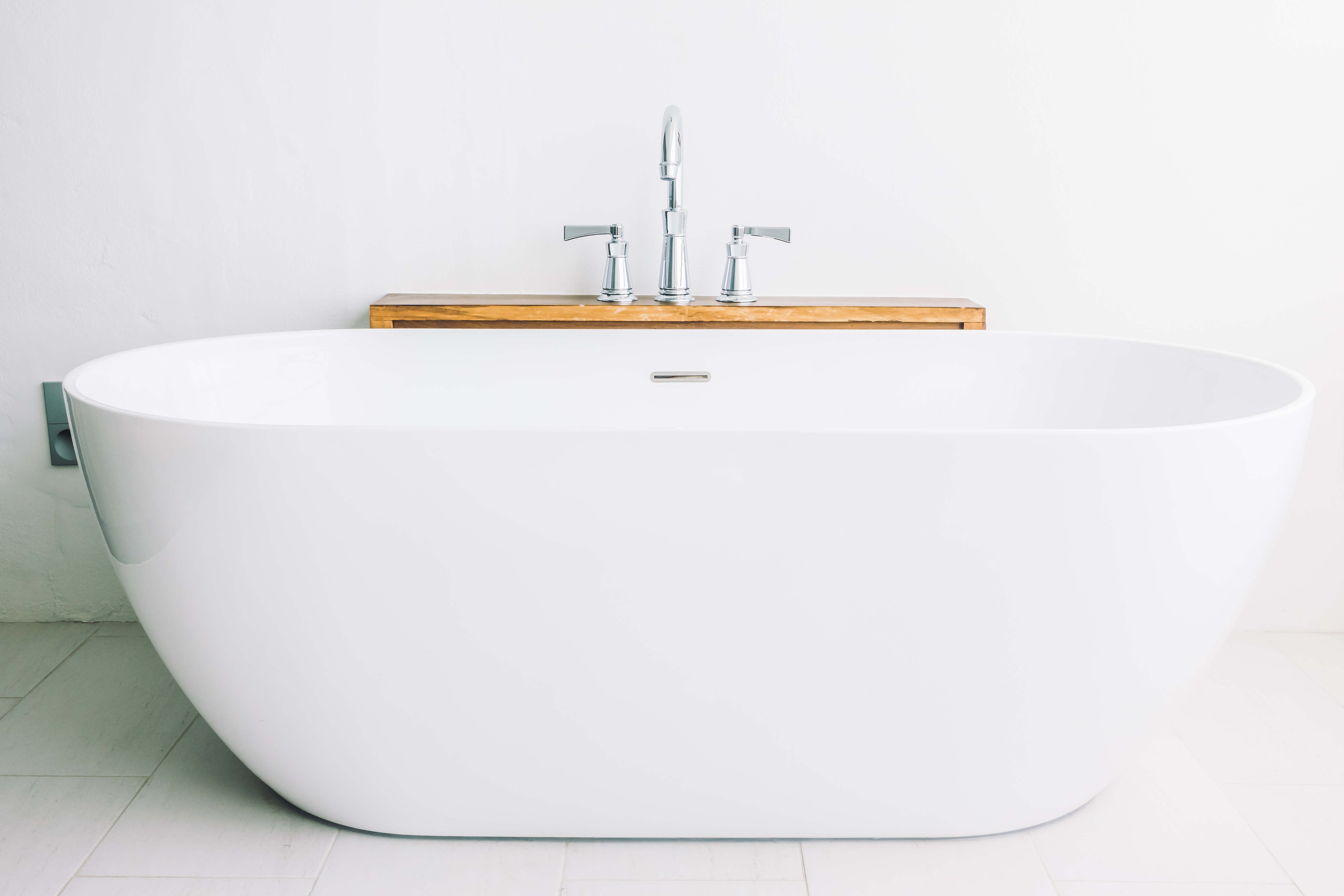
Oval bathtubs — often free-standing, look subtle and at the same time extremely elegant.
-
Corner bathtubs — perfect for arranging less practical bathrooms.
-
Symmetrical bathtubs — usually corner models, characterized by even, mirrored shapes.
-
Asymmetrical bathtubs — ideal for smaller bathrooms, allowing maximum use of available space.
How to fit a bathtub into any bathroom?
Start the purchase of a specific bathtub by considering the arrangement you'd like to have in your bathroom. After all, what works in small bathrooms is different from what is optimal for spacious rooms. The key is the appropriate size, which will ensure comfort while bathing and not disrupt the ergonomics of the entire room. It is worth considering users' height, how the bathroom is used, and whether it is to serve only a bathing function or also as an alternative to a shower.
Bathtubs as the perfect solution for small bathrooms
Small bathtubs are the most common choice for apartments with limited space. For small bathrooms, models with simple lines are best, as they can be easily built in. A popular solution is a rectangular bathtub dimension in the range of 140-160 cm, which maintains great user comfort, yet doesn't take up excessive space.
For modern, smaller spaces, many people also eagerly choose low-profile bathtubs. The dimensions of these variants make it easier to get in and out, and they also pair well with shower screens. As a result, we get a fixture that can also serve as a shower, which is hugely important for small apartments.
And if you have a really small bathroom, be sure to read: Practical tips on how to visually enlarge a small bathroom
How to choose a bath for a large bathroom?
In spacious bathrooms, you can and should allow yourself more design freedom. Larger bathtubs not only enhance user comfort but also become an important visual element of the interior. Models longer than 170 cm are great for providing full relaxation during a bath.
In larger spaces, you can successfully install a free-standing bathtub or a model with atypical proportions. The right bathtub size can easily fit into the entire bathing area and meet the needs of all household members. You can opt for an elegant asymmetrical tub next to which you'll install spacious shelves for cosmetics.
And speaking of shelves and storage, definitely check out this text: Why Choose Niche Shelves?
Does bathtub material affect ergonomics and daily comfort?
The material from which the bathtub is made greatly influences daily comfort and ease of use. Different materials not only mean different looks but also differing ways of retaining heat, resistance to damage, and various levels of cleaning ease.
The most common are, of course, acrylic bathtubs. These are lightweight, warm to the touch, and easy to shape, allowing for many interesting forms on the market. Steel bathtubs are also popular, characterized by high durability, although they lose heat more quickly. In modern designs, bathtubs made of composite or synthetic resin are increasingly prevalent, known for their stability and excellent thermal comfort.
Attention is also drawn to models whose appearance is inspired by glazed stoneware, where it is used to encase the bathtub. This way, you can easily enhance the aesthetic qualities of the chosen model. However, remember that thermal comfort and durability will depend on the basin material and its profiling.
If your acrylic bathtub gets damaged, this guide may prove helpful: How to Repair an Acrylic Bathtub at Home? Simple ways for scratches, cracks, and other damages.
Choose a bathtub that ensures comfort and fits the bathroom
When choosing a new bathtub, remember how important its proper dimensions, shape, and material are. Opt for a model that best suits your bathroom and the needs of all household members, so that bathing is not only a daily routine but also a special time during the day — for you and about you.
Whether you choose a free-standing, corner, or asymmetrical bathtub, let its comfort and aesthetics go hand in hand.
Related products
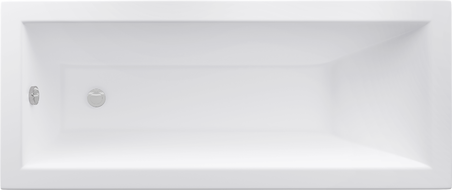
Mexen Cubik rectangular bathtub 170 x 70 cm, white - 55031707000
€210.70 -19.99%
€168.59List price: €210.70
Lowest price: €168.59
Availability: In stock
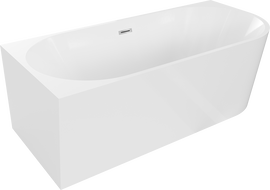
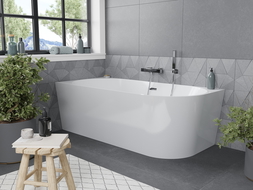
Mexen Mia freestanding corner left bathtub 170 x 80 cm, white, chrome overflow - 52691708000L-01
€971.40 -19.99%
€777.19List price: €971.40
Lowest price: €777.19
Availability: In stock
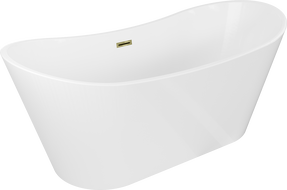
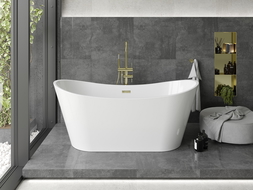
Mexen Montana freestanding bathtub 170 x 80 cm, white, gold overflow - 52011708000-50
€792.80 -19.99%
€634.29List price: €792.80
Lowest price: €634.29
Availability: In stock
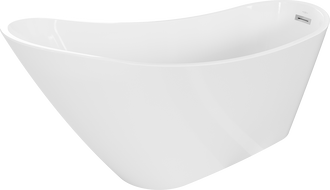
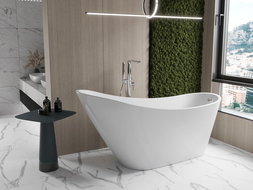
Mexen Oviedo freestanding bathtub 170 x 76 cm, white - 51561707600
€1,321.40 -19.99%
€1,057.19List price: €1,321.40
Lowest price: €1,057.19
Availability: In stock
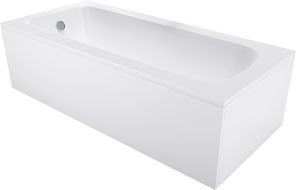
Mexen Vega rectangular bathtub 150 x 70 cm with casing, white - 55011507000X
€289.30 -19.98%
€231.49List price: €289.30
Lowest price: €231.49
Availability: In stock