













A linear drain is a popular solution in modern bathrooms. In this case, you need to decide whether to choose a dry or wet trap. Both solutions perform the same function, but they differ in their design and operation. Before making a decision, find out when a dry trap works better and when a wet trap is the better choice.
What will you learn from this article?
A trap is an invisible element of a bathroom plumbing system, but it performs a very important function. It ensures the proper operation of the linear drain and the safe drainage of water. In this article, we answer the following questions:
- What is the difference between a dry and wet trap?
- When is it worth choosing a dry trap, and when a wet trap?
- What does the installation of a dry trap look like?
Dry or wet trap — how do they differ?
Dry and wet traps are two solutions used in linear drains. Their main task is to drain water from the shower without problems, ensure the proper operation of the drain, and limit unpleasant odors coming from the sewer system. Wet and dry traps differ in their design and operation.
Wet trap
A wet trap is a traditional solution used in bathrooms. It retains water in a special chamber and creates a barrier that prevents unpleasant sewer odors from entering the bathroom.
Wet traps are most often chosen by owners of bathrooms that are used regularly. They are a good solution for apartments, houses, gyms, hotels, and similar locations.
Dry trap
A dry trap is a modern solution that can be added to a linear drain. It does not require water to operate. The barrier is created by a special membrane or flap. This eliminates the risk of drying out or unpleasant sewer odors appearing.
A dry trap works well in bathrooms that are used infrequently, especially in vacation homes, basements, short-term rental apartments, and guest bathrooms.
What is the main difference between a dry and wet trap?
The basic difference between these products lies in how they protect the bathroom from unpleasant odors.
- A wet trap works thanks to a layer of water, which dries out when you do not use the shower enclosure for a long time. It is a good solution for bathrooms used every day.
- A dry trap has a flexible membrane that closes the drain regardless of how often the shower is used. It works well in occasional or seasonal bathrooms.
What are the advantages and disadvantages of a wet trap?
Advantages
- Higher capacity and unrestricted water flow. It blocks odors with a 50–60 mm water seal.
- No mechanical components that could cause a failure.
- A mechanism based on the laws of physics.
- If necessary, you can find a linear drain with an integrated trap and low installation height.
Disadvantages
- When you do not use the shower for a long time, the water in the drain will dry out. You need to add water every week.
- During sudden pressure changes in the sewer stack, unpleasant odors may escape from inadequately protected drains. If the water level in the trap drops or dries out, the protective barrier stops working
- Water dries out faster when you use underfloor heating in the bathroom.
- If the amount of water in the trap is insufficient, an unpleasant odor will appear in the bathroom.
What are the advantages and disadvantages of a dry trap?
Advantages
- Because it operates independently of the presence of water, it works perfectly in rarely used bathrooms.
- It works well with underfloor heating.
- There is no need to monitor the water level in the trap.
Disadvantages
- It has mechanical components that may fail.
- The flap or blocking membrane may break.
- The blocking components may become contaminated, causing water to back up.
- Flow capacity is often lower than in wet traps. A dry trap allows 30–50 l/min of water to pass through.
Situations in which you should consider installing a dry trap
When designing a bathroom, you have many important decisions to make. You need to know which linear drain to choose and which type of trap to match it with. A dry trap works best in the following situations:
- An infrequently used shower enclosure — a dry trap operates independently of water and how often the shower is used, unlike a wet trap. When the water evaporates, an unpleasant sewer odor will appear in the bathroom. This will not happen with a dry trap.
- A vacation home or short-term rental apartment — a dry trap starts working immediately, without the need to refill the water beforehand. It provides a high level of tightness.
- A longer absence of the owner — the bathroom gains full protection against unpleasant sewer odors, unlike a wet trap, which releases an unbearable smell once the water evaporates.
How do you install a dry trap in a linear drain?
You can purchase a linear drain with a standard wet trap as a set, with factory installation and a gasket. A dry trap, on the other hand, is an additional option that requires installation.
- Remove the wet trap from the linear drain. Simply place the flap insert in its place.
- Make sure that the flap closes freely in the drain socket.
- The trap starts working immediately and provides effective protection against unpleasant sewer odors. Even after a long break, the bathroom remains comfortable to use.
Find out how to install a linear drain.
Trap quality matters
Before purchasing a wet or dry trap, pay attention primarily to its quality. It should effectively stop contaminants and limit the release of unpleasant sewer odors.
- Material — ABS is the standard material from which traps are made.
- Diameter — the most popular traps have a diameter of 90 mm.
- Flow rate — the higher, the better. Models that drain more water than the shower rainhead produces at a given moment work best.
- Cleaning — cleaning from above is the most convenient, as you can remove the grate and quickly check its cleanliness. A common mistake is failing to provide access for cleaning the trap.
- Replaceable components — this is especially important for dry traps. Make sure that you can purchase a replacement blocking component, for example, if it fails.
Related products
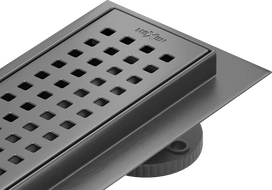
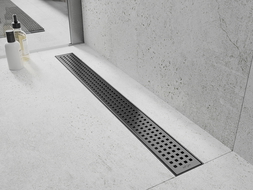
- Linear Drains -10%
Mexen Flat 360° M08 Rotating Linear Drain 50 cm, Brushed Gun Gray - 1E25050-40
€74.90 -19.91%
€59.99List price: €74.90
Lowest price: €59.99
Availability: In stock
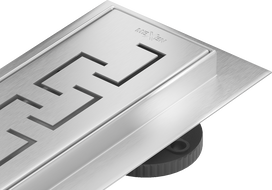
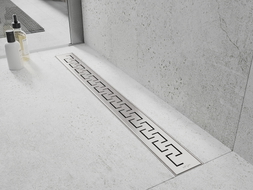
- Linear Drains -10%
Mexen Flat 360° M15 60 cm Rotating Linear Drain, Inox - 1024060-40
€53.60 -19.98%
€42.89List price: €53.60
Lowest price: €42.89
Availability: In stock
- Linear Drains -10%
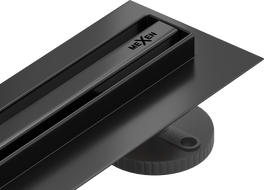
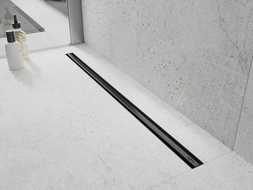
Mexen Flat 360° Slim 360° Linear Swivel Drain 80 cm, Black - 1741080
€82.20 -19.96%
€65.79List price: €82.20
Lowest price: €65.79
Availability: In stock
- Linear Drains -10%
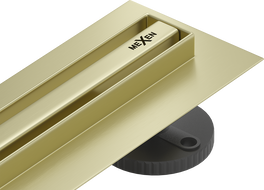
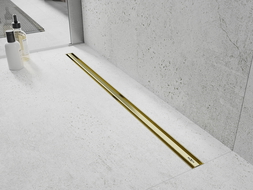
Mexen Flat 360° Slim 80 cm Rotatable Linear Drain, Brushed Gold - 1A41080
€99.90 -19.93%
€79.99List price: €99.90
Lowest price: €79.99
Availability: In stock
- Linear Drains -10%
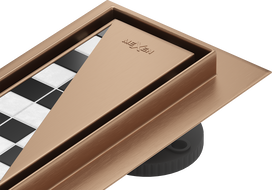
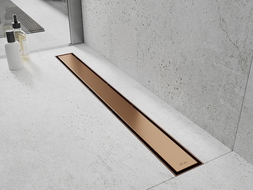
Mexen Flat M13 Linear Drain 2in1 70 cm, Brushed Copper - 1C10070-15
€96.40 -19.93%
€77.19List price: €96.40
Lowest price: €77.19
Availability: In stock