
























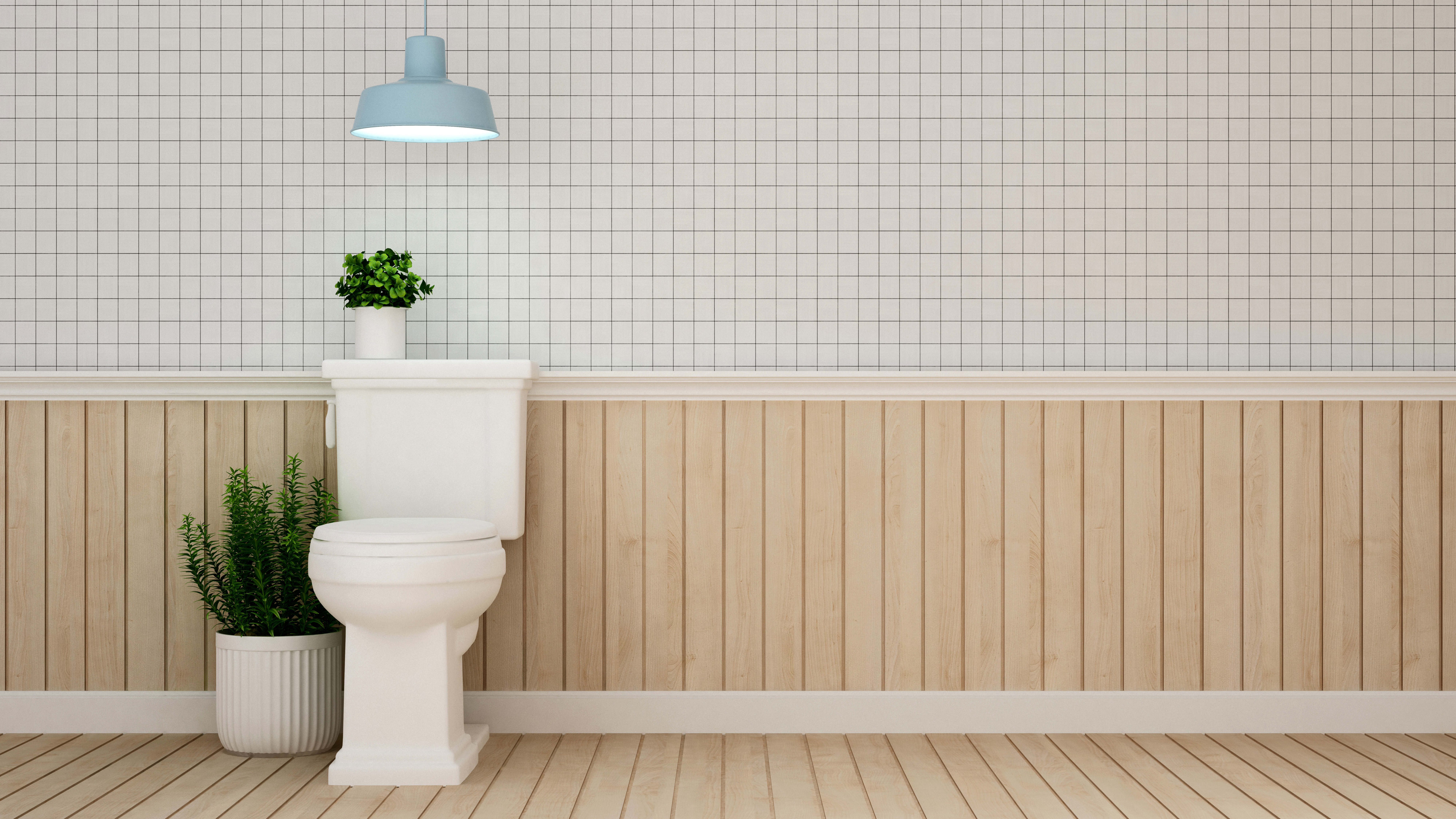
The flush mechanism allows you to remove impurities from the toilet using water, then transports them through a drain pipe to a treatment plant or septic tank. After flushing the toilet, the cistern is automatically filled up to a certain level in the tank. To prevent overflow, a float is installed in the tank to control the water level. This is the main principle of the cistern's operation and the entire flushing process associated with it. As you can see, flushing is a complex mechanism! The problem arises when the drain mechanism gets damaged. Check how to fix a leaking cistern, restore the toilet's proper operation, and how to make a good choice when buying.
What will you learn from this article?
Every toilet cistern operates thanks to a fill valve bringing in water, and a flush valve delivering water to the toilet bowl. In this article, you will learn:
- How do modern toilet cisterns work?
- What is important when buying a toilet cistern?
- What breaks in the cistern mechanism?
- When to replace the flushing mechanism yourself, and when do you need professional help?
What should you know about the cistern mechanism and how does the flushing process work?
A standard compact cistern, available with a toilet bowl, consists of two valves — the fill and the flush valve. The first serves to bring water to the cistern, and the second to flush the toilet bowl. The flush works by pressing the flushing button, which empties the contents of the vessel. The heart of the system is the float connected to the fill valve and the central column of the flush valve. On its base is a flexible gasket pressed by the water column to block uncontrolled flow into the bowl.
How does the fill mechanism work?
- When flushing begins, water from the tank goes into the toilet bowl. The float also automatically lowers, which used to float on the surface when there was water in the tank. The fill valve opens and the tank refills.
- When the fill valve opens, water flows into the cistern, and the float rises with the water level.
- When the water reaches a certain level in the tank, the float is pushed up high and closes the fill valve. The water supply is cut off, so the tank does not overflow.
How does the flushing process work?
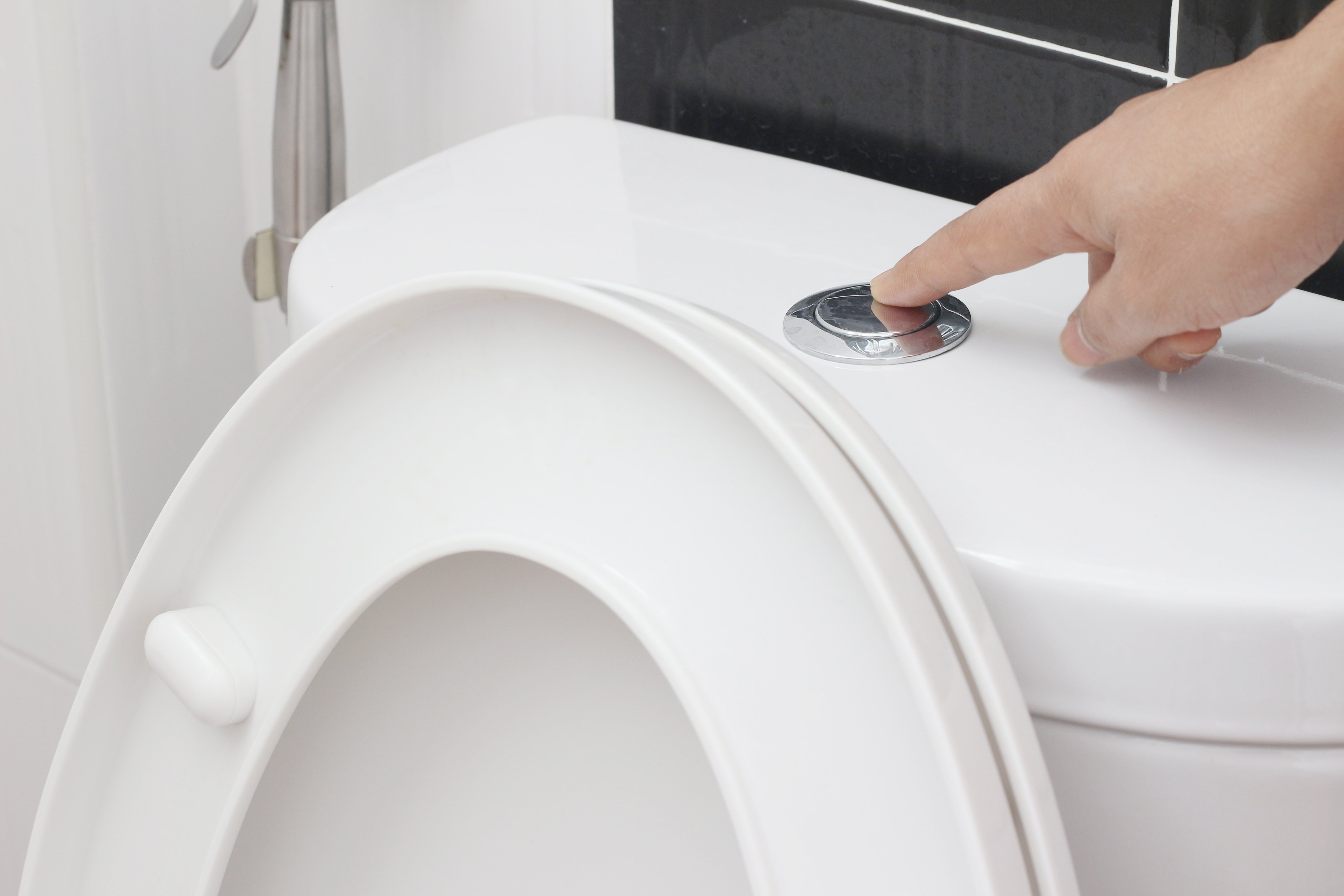
- Flushing starts when the cistern button is pressed.
- The internal tank drainage mechanism is activated, lifting the flush valve seal over the hole at the bottom of the tank.
- The passage opens, and all the water from the tank flows down into the toilet bowl. This occurs using gravity forces.
Components that make up a toilet cistern
Each toilet cistern contains several basic components. They create the whole mechanism, thanks to which the solution is characterized by reliability and facilitates cleaning the toilet bowl.
Fill valve
The main task of the fill valve is to supply water to the tank after each flush. This valve can have side or bottom inlet.
Flush valve
The tasks of the flush valve include opening the water flow to the toilet bowl when flushing begins.
Float
The float rises on the water surface and is closely connected to the fill valve. Its task is to regulate the moment of opening and closing the fill valve.
Button or lever
Flush buttons, which you can purchase in various variants of color, layout, and shape, are mechanically connected to the flush valve. It is exactly after pressing this button that the flushing mechanisms are activated.
Flush valve gasket
Each toilet cistern set includes a flush valve gasket that secures the tank against water leakage. It ensures the proper operation of the mechanism. When the material wears out, you need to replace it with a new one to continue using the toilet without issues at home.
Where should you start repairing the flushing mechanism?
If you notice even small leaks, do not ignore them! A leaking toilet cistern is not only annoying but can generate huge water bills. Imagine water flowing in a thin stream along the bowl 24 hours a day. The longer you ignore the fault, the more likely the stream will widen, and the counter will spin faster. The sooner you fix the problem, the better.
- Turn off the fill valve.
- Remove the lid and flush the toilet — after blocking the valve, the water should not refill in the flush mechanism.
- Try to find the outlet valve (usually located in the center).
- Unscrew the nuts under the cistern.
- To replace the washers, push them out with a screwdriver and install new parts.
Check what to do when water leaks from a concealed cistern.
.jpg)
What are the most common problems with the float?
Continuous water supply to the cistern is a signal that the float might be improperly positioned. If it is too high, the fill valve remains slightly open, causing water to continuously leak through the emergency overflow into the toilet bowl. Repairing this involves repositioning the float. To restore the mechanism's proper functioning, just remove the cistern's top cover (sometimes also unscrew the flush button) and use a plastic screw to place the float at the optimal height.
Don't be discouraged if the first attempts fail — it will work eventually! And if it doesn't, the float might be damaged. If despite your repair attempts, you cannot restore the float's desired position, you have two choices:
- Replace the fill valve.
- Use a plumber's services to repair the fill valve.
Self-repair of the flush mechanism or with professional help?
If you don't feel confident and are afraid of making a mistake while installing a new flushing mechanism, call a professional. You can also try to perform the replacement yourself. In most cases, it will succeed without issues.
Purchasing the materials needed to replace the valve won't burden your budget — in hardware stores, you'll find good-quality sets, the price of which does not exceed 20-30 PLN. Before buying, pay attention to the diameter of the connection pipe.
In the offer of manufacturers of bathroom fittings accessories, you will find models with a connection pipe diameter of 1/2 or 3/8 inch. Once you have the necessary bathroom equipment, start taking action.
- Turn off the water supply and remove the cistern cover.
- Remember to secure against minor flooding! Have a bowl where the remaining water will drain.
- After unscrewing the faulty valve, install a new element and connect the water supply pipe.
- Finally, remember to adjust the float level.