















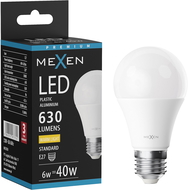
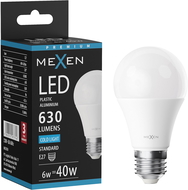
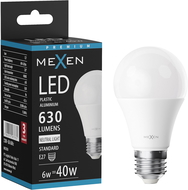




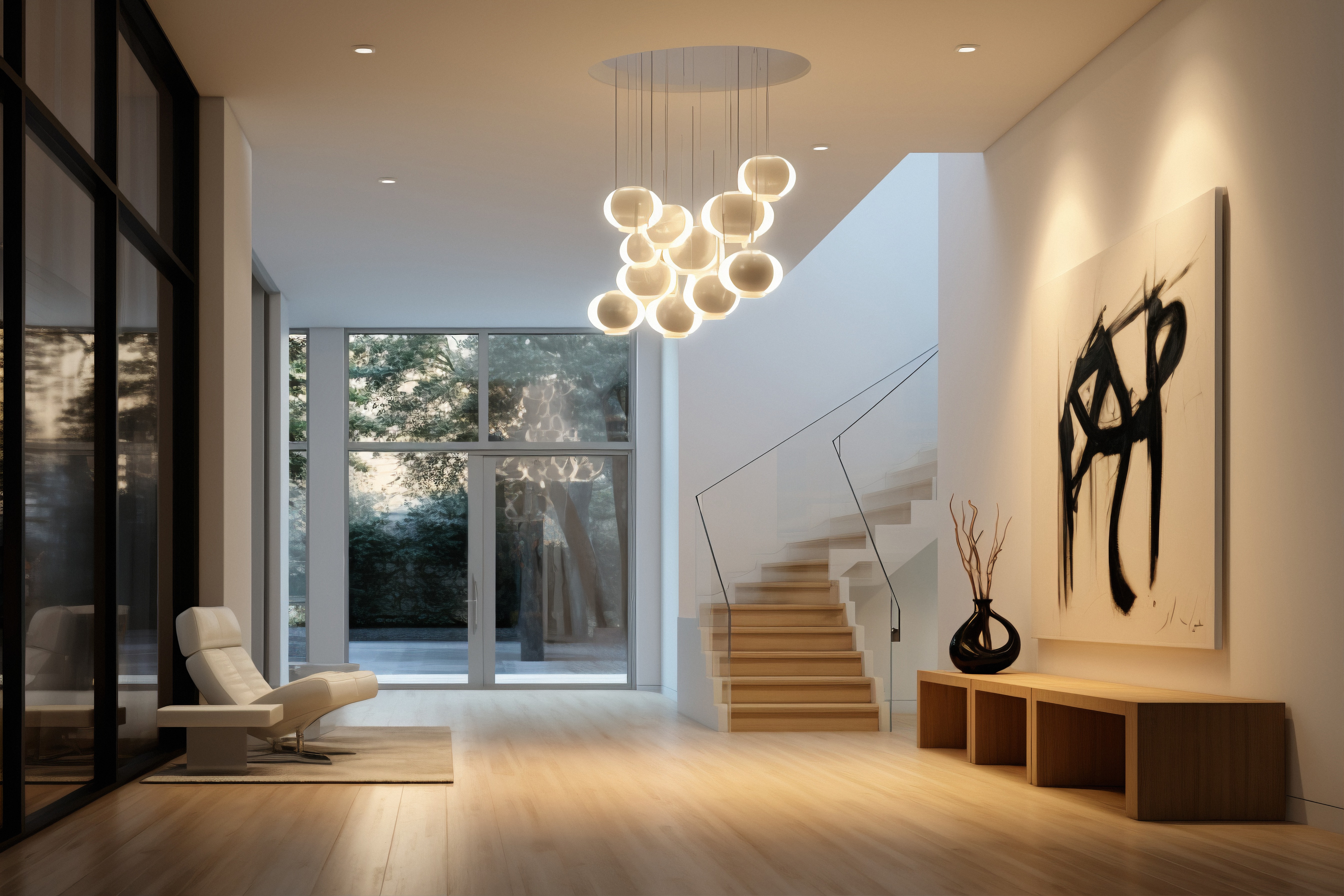
When planning lighting in your home, it's worth paying attention not only to the design of the lamps but also to their functionality. The number of lumens, or the light flux emitted by a particular light source, should be matched to the size of the room, type of lighting, and natural daylight reaching it. Only in this way can you ensure the comfort of daily use in each room.
In the prepared article, we will guide you on how to select lighting correctly and how many lumens per m2 each room actually needs to be adequately matched for both work and relaxation. Check it out now!
What will you learn from this article?
When buying lamps, it's easy to overlook important details that will determine the comfort of using a room. In our guide, you'll find information on how to calculate the number of lumens needed to ensure that each interior in your apartment is well-lit, regardless of its size or function.
Among other things, you'll find information on:
How to select lighting power per m2 so that the main light source evenly fills the room?
How to combine different lamps to fully utilize the potential of main and point lighting?
How to account for individual preferences when choosing decorative and classic lamps?
How to calculate the number of lumens needed for a bedroom and for table lamps in the living room?
After reading, you will know how to plan lighting so that every part of your home is practical and pleasing to the eye. Simplify your choice of lamps and avoid common mistakes when designing home lighting.
What is a lumen and how does it relate to light intensity?
A lumen is a unit of light flux that indicates how much light is emitted by, for example, an LED bulb. The greater the number of lumens, the stronger the light reaches the room. When choosing lighting, remember that the number of lumens alone doesn't tell the whole story. The color of the light and how it is diffused are also important because these aspects similarly affect visual comfort and the perception of brightness in a room.
Light intensity will depend on the room's area and the final placement of the lamps. It's worth noting that while lumens specify the amount of light emitted, a lux (lx) indicates how brightly a particular surface is illuminated. A strong lamp with a high number of lumens won't always provide even illumination. This is especially true if the light falls only in one direction and is poorly distributed. Therefore, when planning lighting, it's also worth considering the bulb or LED tape power and their intended location.
Why check how many lumens per m2 to choose for different rooms?
Checking the number of lumens will allow you to adjust the lighting intensity to the function of a room. This way, you will avoid both under-lighting, which could strain the eyes, and overly strong lighting, which would disrupt the whole atmosphere.
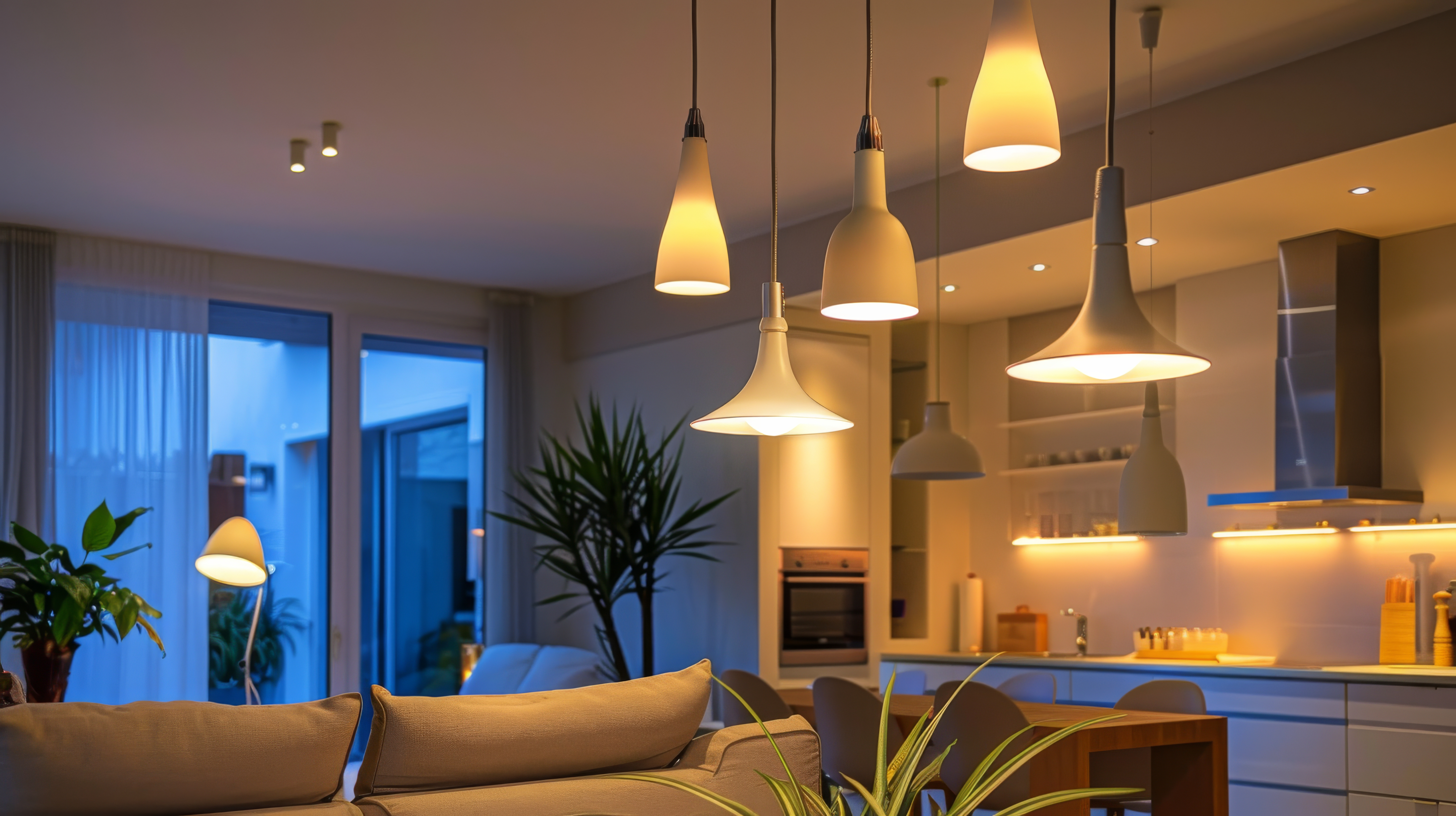
In short, in the living room, you can opt for ceiling lamps that emit a pleasant, slightly diffused light. In the kitchen or office, strong light will work better, especially when concentrated on worktops. By considering the color temperature, you can easily adjust the light intensity to the functional requirements of a room and the individual preferences of the household members.
Step-by-step selection of appropriate lighting
Selecting LED lighting, which is now a very popular alternative to traditional bulbs, is always worth starting by defining the type of room and its main functions. After all, what's suitable for a kitchen won't necessarily work in a wardrobe. At the same time, note that not only the power of the LED bulb is essential, but also how much light actually falls on a given surface, that is, the light intensity. In practice, it's worth combining main lighting and additional points to ensure the room is adequately lit.
And what to do with used bulbs? Check here: Where to dispose of bulbs?
How many lumens per m2? Kitchen and hallway
In the kitchen and the hallway, we need bright, yet functional lighting. Such lighting will facilitate daily activities and help brighten the space, especially if it lacks natural daylight.
In both the kitchen and hallway, it's worth combining main ceiling lighting with additional points above the worktop, such as LED strips. It's good to assume a general lighting setup with 300-400 lumens per m2, while designated work areas (like the sink) have even 400-600.
Arranging the kitchen can be very satisfying, especially if you ensure it includes all necessary equipment. Read: What cutting board is the best? What to look out for?
Recommended lighting power for the office
In a home office, it's best to use lighting that doesn't strain the eyes and allows for extended work at a desk. The recommended range is from 300 to 750 lumens per square meter. Of course, individual needs should be considered. If you work on designs or fill in small boxes, you need very precise and bright lighting for the work area.
How many lumens per m2 in the living room?
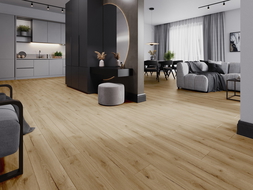
In the living room, it's a good idea to use 200 to 400 lumens per square meter. This room is very multifunctional, hence the lighting used in it should reflect that. Instead of one very strong fixture, it's better to use several points. In open spaces, pendant lamps and wall sconces work well, as well as lighting in a suspended ceiling. This way, you can freely adjust the light's intensity and easily adapt it to specific situations.
How to calculate the amount of light for the bedroom?
Here you need to multiply your room area by the recommended 100-200 lm per square meter for the whole interior. The amount of light should favor relaxation and be pleasantly diffused. Wall colors will also have significant importance since light surfaces reflect light better. A great option can be main lighting in a suspended LED ceiling and additional lighting in the form of a bedside lamp.
Light points in the wardrobe
In the wardrobe, it's best to use 220-300 lumens. Remember, the more light, the better the color of clothes and accessories. Depending on the area, you can choose one larger ceiling lamp or several smaller light points that will illuminate shelves and recesses effectively.
How many lumens per m2 in the bathroom?
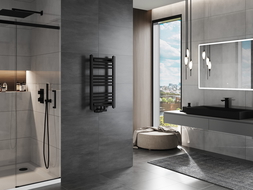
In the bathroom, the recommended range is from 500 to 800 lumens for general lighting per square meter. This means that in a 5 square meter room, the total light amount should be between 2500-4000 lumens. Everything will depend on the size of the room, designated zones, and whether there's a window. Key is also lighting around the mirror. Well-chosen LED lighting will help avoid shadows on the face and ensure comfort during the daily routine.
What else to consider when selecting lighting for rooms?
Selecting the right lighting involves more than just lumen values. Let's assume we have a value of 600 lumens. Is that a lot? It all depends on the specific interior. For functional lighting, additional aspects must also be considered.
Critical are:
Type of lighting. Instead of going for one lamp, choose different light sources throughout the room.
Type of light source. As mentioned, LED lamps are energy-efficient and offer numerous customization options.
Color temperature. Brighter cool light is excellent for work but not necessarily for relaxation.
Light angle. A broad angle works better for general lighting, while a narrow one is better, for example, for reading.
Color rendering index (CRI). The higher the CRI, the more natural and less distorted the colors appear.
Of course, you also need to consider the type and placement of fixtures and how they can be controlled. This will be particularly important for larger room spaces.
When choosing lighting, you can refer to this guide: What type of bulbs to choose? A practical guide to home lighting
Choose the right lighting for every room in your home
Selecting lighting for different rooms can be simple, quick, and pleasant. Just consider the values we discuss. Choose high-power bulbs for above the kitchen counter to prepare meals comfortably. In the living room's relaxation area, though, better opt for different lighting. Now you know how to fit them step by step.
Related products

- New
Mexen Nova LED Bulb E14, C37, 10W, Neutral - 4000K, 1055 lm - L102-E14-1040-01
€2.10 -19.52%
€1.69List price: €2.10
Lowest price: €1.37
Availability: In stock
- New
Mexen Nova LED Bulb Flame E14, C37, 8W, Neutral - 4000K, 840 lm - L106-E14-0840-01
€1.20 -17.5%
€0.99List price: €1.20
Lowest price: €0.80
Availability: In stock
- New
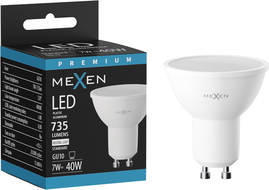
Mexen Nova LED Bulb GU10, 7W, Neutral - 4000K, 735 lm - L107-GU10-0740-01
€1.20 -17.5%
€0.99List price: €1.20
Lowest price: €0.80
Availability: In stock
- New
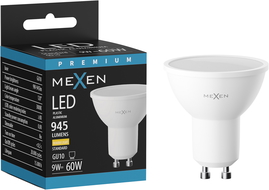
Mexen Nova LED Bulb GU10, 9W, Warm - 3000K, 945 lm - L108-GU10-0930-01
€1.70 -18.24%
€1.39List price: €1.70
Lowest price: €1.13
Availability: In stock
- New
Mexen Vintis LED Filament Bulb E27, G95, 4W, Warm - 2700K, 400 lm, amber - L157-E27-0427-50
€2.90 -17.59%
€2.39List price: €2.90
Lowest price: €1.94
Availability: In stock