

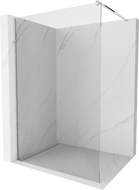

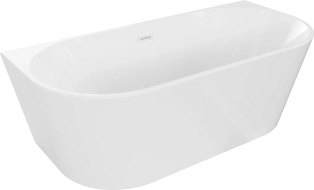
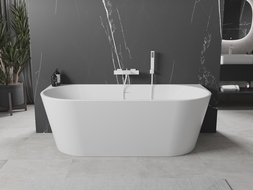
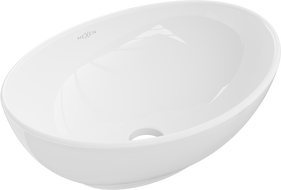

















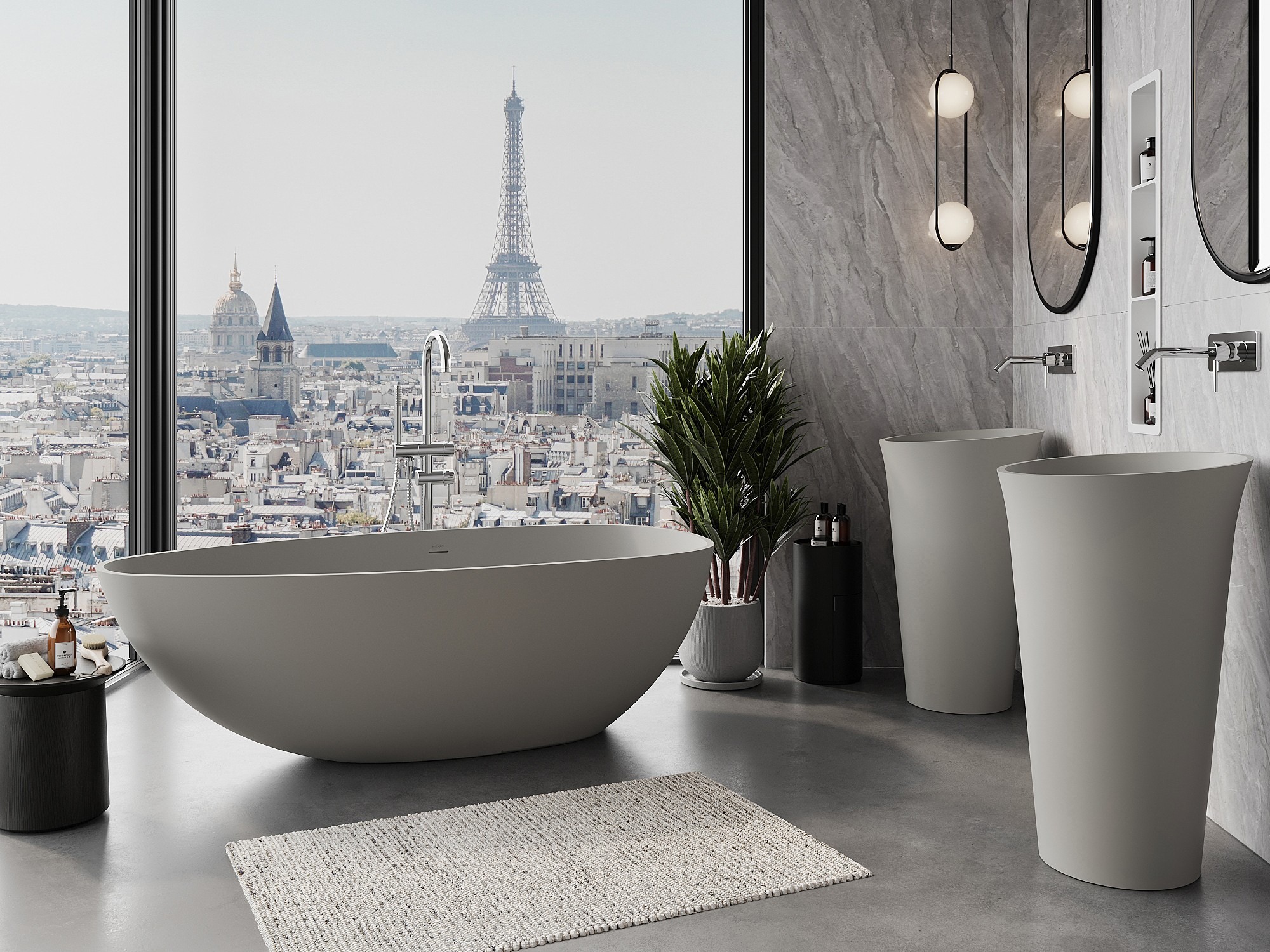
Learn the meaning of the word conglomerate. What is it? Simply put, it is a mixture of finely ground stone aggregate with a binder, which combines the ingredients into a durable mass. It has excellent utility properties and works well as a material for the production of bathroom fittings and countertops.
What will you learn from this article?
Conglomerate is one of the most popular finishing materials. It suits both classic and modern interiors. In this article, we answer the questions:
- What makes conglomerate stand out?
- What can be made from conglomerate?
- Is conglomerate resistant to mechanical damage?
Conglomerate — what is it and what are its types?
Conglomerate is formed by mixing ground stone aggregate with a binder, which is epoxy or polyester resin. Some manufacturers, to achieve specific design requirements, also add fragments of broken mirrors, powdered glass, or ceramics to the material.
The process of combining materials takes place under high pressure and controlled temperature. This results in a uniform, durable mass. Its surface is then polished, making it smooth and scratch-resistant.
Conglomerate is available in both natural and artificial versions.
- Natural conglomerate — formed by combining sand, rocks, or other rock elements.
- Artificial conglomerate — appears as a combination of marble or granite with polyester resin. It resembles sintered quartz and is a semi-stone material.
Some conglomerates contain dyes and pigments that give a striking color. This provides great freedom in arrangement.
Quartz conglomerate
The most durable material, due to the use of 90% quartz and 10% epoxy resin. It withstands acids commonly found in the kitchen well. It limits bacterial growth and ensures hygienic contact with food.
Marble conglomerate
Conglomerate consists of 95% natural marble and about 5% polyester resin. It looks like natural stone and has similar properties to marble. The use of polyester resin in its production makes its resistance to mechanical damage higher.
Granite conglomerate
Made of 95% granite and 5% epoxy resin. It is moisture-resistant. It does not absorb water and fats. Easy to keep clean.
What properties does conglomerate have?
When designing interiors, it's important to look beyond aesthetics - functional parameters are crucial. Conglomerate outperforms natural stone with its lack of porosity, making it almost indestructible in everyday use. Above all it doesn't crack, doesn't deform, and is resistant to high temperatures. It is an excellent alternative to natural stone, available at an affordable price.
Find out, if conglomerate makes sense in the kitchen.
Here are the most important features of conglomerate you should know if you're planning a renovation:
- Good physical properties — the material is resistant to scratches, moisture, and neutral pH chemicals. It requires impregnation, which increases the durability of the smooth surface against stains and minor mechanical damage. If you impregnate, you can safely place a hot cup or cut products without a board on the conglomerate countertop.
- Easy to maintain — if you want to quickly and conveniently clean surfaces in your home, choose conglomerate. The material features a smooth surface that is easy to clean. You only need a damp cloth and a mild detergent to bring a countertop or other item back to perfect condition.
- Wide range of colors — you can choose conglomerate in different color variants. Available are beiges, browns, whites, but also grays, blacks, and many other avant-garde shades.
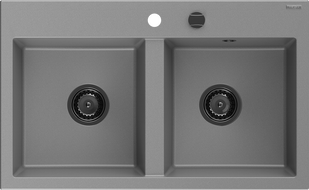
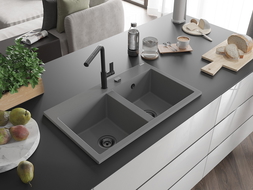
- Easy processing — the material is perfect for creating many elements for interior finishes. You can make interior window sills, bathroom and kitchen countertops, as well as sinks or bathtubs. Importantly, you can use resin to repair minor damaged elements. This allows you to use the equipment elements for many years.
Where is it worth using conglomerate?
Conglomerate is considered a substitute for natural stone. It works excellently in many places.
Conglomerate countertops
Impregnated kitchen countertops are very popular, allowing you to cut vegetables and fruits directly. The material is also resistant to high temperatures, thus showing high resistance to discoloration.
You can also use a conglomerate countertop in the bathroom, due to the material's moisture resistance.
Sinks made of conglomerate
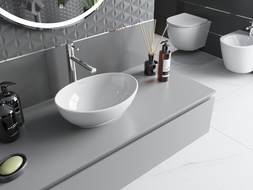
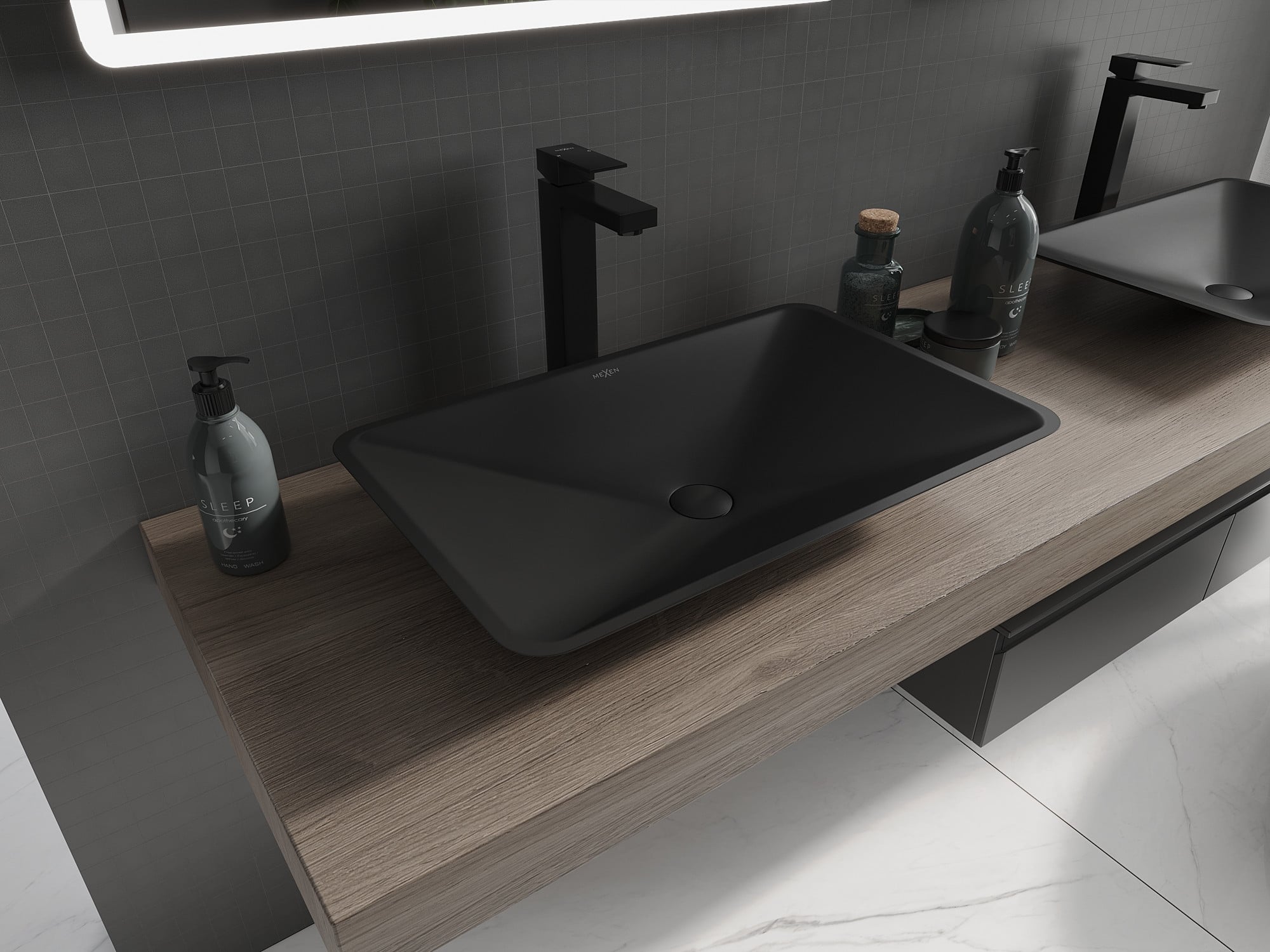
If the bathroom is to stand out with high functionality, choose sinks made of conglomerate. They are easy to clean, and the raw material is scratch and chip-resistant, compared to other materials, such as ceramics. Conglomerate creates original sinks resistant to UV radiation, tarnishing, and high temperatures.
Bathtubs made of conglomerate
Completing bathroom equipment can be challenging. If you wonder about choosing a bathtub, consider models made of conglomerate. You gain durable material and artistic shape of equipment, combining functionality with aesthetics.
How much does conglomerate cost?
The price of conglomerate depends on several factors, especially the type of material used. The cheapest are quartz conglomerates. The higher the content of natural quartz and resin, the more the price increases. Consider also:
- thickness and dimensions of the board,
- colors and patterns,
- origin of the material.
These are the reasons why you should consider using conglomerate at home
Here are the three most important reasons that will dispel your doubts about using conglomerate at home:
- High durability — the material is resistant to scratches, abrasion, and mechanical damage.
- Easy to maintain — conglomerate does not easily absorb stains and moisture. A smooth surface only needs to be wiped down with a damp cloth with a mild detergent.
- Aesthetics — you have many options for interior finishes. The diversity and uniformity of patterns make conglomerate suitable for almost any style of room.
Related products
Mexen Ava countertop sink made of conglomerate 1/O 50 x 38 cm, white - 23015001
€157.20 -19.98%
€125.79List price: €157.20
Lowest price: €125.79
Availability: In stock

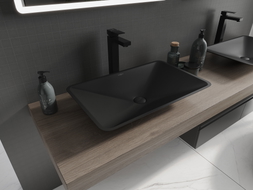
Mexen Esper countertop washbasin made of conglomerate 60 x 38 cm, black - 23036071
€142.80 -19.97%
€114.29List price: €142.80
Lowest price: €114.29
Availability: In stock

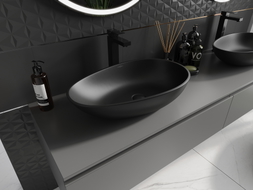
Mexen Nora countertop washbasin made of conglomerate 60 x 36 cm, black - 23056071
€189.30 -19.97%
€151.49List price: €189.30
Lowest price: €151.49
Availability: In stock
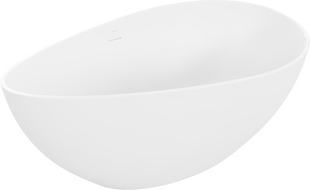
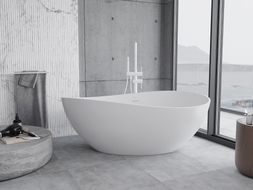
Mexen Parma freestanding bathtub made of conglomerate 160 x 95 cm, white matte - 57231609500
€1,914.30 -20%
€1,531.49List price: €1,914.30
Lowest price: €1,531.49
Availability: In stock
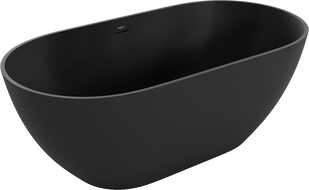
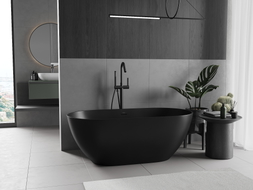
Mexen Rimini freestanding bathtub made of conglomerate 150 x 75 cm, black matte - 57241507570
€1,785.70 -20%
€1,428.59List price: €1,785.70
Lowest price: €1,428.59
Availability: In stock