









When planning a home or apartment renovation, we increasingly opt for underfloor heating. This solution is aesthetic, convenient, and energy-efficient. However, to ensure the system works efficiently for years, the choice of floor finish is crucial. Not every material conducts and accumulates heat equally well, so it's worth making a conscious decision at the project stage.
What will you learn from this article?
We created this guide to organize the most important information related to choosing tiles for underfloor heating and to facilitate making an informed decision from the project stage. Here are the issues we discuss in the text:
-
Which tiles are best for underfloor heating?
-
Porcelain or ceramic - which material conducts heat more efficiently?
-
How does the type of heating (water or electric) affect the choice of cladding?
-
Which technical parameters of tiles are crucial?
-
How to avoid cracks and installation errors?
-
Are vinyl panels a good alternative to tiles?
-
What to consider when buying, so that the system works efficiently for years?
Tiles for underfloor heating - why are they the best choice?
When choosing tiles for underfloor heating, we must remember that the floor will be regularly subjected to cyclical heating and cooling processes. Therefore, these materials must have low thermal resistance. Ceramic and porcelain are unbeatable solutions in this regard.
-
Unlike products such as natural wood, which insulate heat and can dry out, tiles perfectly conduct thermal energy into the interior.
-
By choosing solutions from trusted suppliers, you ensure that your heating will work at maximum efficiency for many years.
Remember that proper finishing is the foundation of every interior where energy efficiency matters. Check our suggestions in the bathroom tiles category, which work perfectly with heating systems.
Modern underfloor heating and thermal efficiency
Modern underfloor heating is a system that provides an even temperature distribution throughout the room. For it to be effective, however, we must avoid materials with high insulation. These systems are usually divided into water and electric, each having slightly different requirements.
Properly designed heating allows you to lower the air temperature by 1-2 degrees while maintaining the same feeling of warmth, generating significant savings. Moreover, this solution eliminates the problem of unsightly radiators, making interior decoration easier. It is worth emphasizing that it works best with materials that accumulate heat. If you plan such an installation, choosing the right tiles should be your priority at the project stage, as it will increase the property's value in the long run.
Porcelain tiles - durability leader
Many people wonder which porcelain tiles are the best for underfloor heating. Porcelain tiles are the most common choice for professionals. Why?
-
Temperature resistance: They are created by firing at very high temperatures, which makes them naturally resistant to temperature changes.
-
Low absorbency: We are dealing with a material with almost zero absorbency, which is extremely important in bathrooms and kitchens.
-
Mechanical durability: They show great resistance to damage. When a heavy item falls on them, they rarely crack.
Thanks to this, porcelain tiles are an investment that retains its appearance for decades, offering easy-to-clean flooring resistant to stains.
Type of underfloor heating and tile installation
Before you buy tiles, determine what type of underfloor heating you have.
-
Water heating: The most popular, where water circulates in pipes embedded in the screed. It heats up slowly but gives off heat for longer.
-
Electric heating: In the form of mats or heating cables. It is thinner and often used during renovations when we cannot significantly raise the floor level.
Regardless of the chosen system, tiles will excellently conduct heat. Just ensure that the installation team uses the right adhesive with increased flexibility to prevent cracking.
Characteristics of ceramic tiles
The use of ceramic tiles (terracotta) is another option, although slightly less common than porcelain. However, it's worth knowing that the wide range of ceramic products offers models with excellent conductivity parameters. During installation, attention must be paid to their thickness - too much can delay the surface heating time.
The advantage of ceramics is their availability in a vast number of patterns and colors, allowing you to match them to interiors of any style. However, remember that traditional terracotta is slightly less resistant to mechanical damage than porcelain, so it's better to opt for a harder material in the hallway. Nonetheless, in bedrooms or bathrooms, using ceramic tiles is still an excellent choice.
Vinyl panels as an alternative
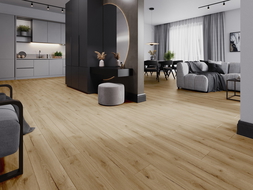
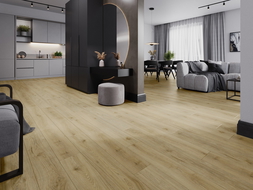
If you are not a fan of ceramics, an interesting alternative is vinyl panels. Although they are not tiles, modern versions are designed to work well with heat. They are much thinner, which allows energy to quickly pass into the room. However, remember that vinyl panels do not accumulate heat as well as porcelain or stone.
When choosing vinyl, always check the manufacturer's recommendations regarding maximum temperature. Many people choose models that mimic wood to achieve a cozy effect. However, remember that it is a different material than ceramics and requires a perfectly even substrate.
How to avoid cracks on the floor?
To avoid cracks on the new floor, follow a few ironclad rules:
-
Screed heating: Installation cannot start without this process. It allows the materials to "work" before applying the cladding.
-
Proper adhesive: Use class C2S1 or C2S2 adhesives that are flexible and resistant to thermal stress.
-
Expansion and joints: Avoiding seamless installation is a mistake. Wide joints absorb micro-movements resulting from temperature changes.
-
Full adhesive coverage: The laying process must be carried out carefully to prevent air pockets underneath that obstruct heat flow.
Practical tips from Mexen
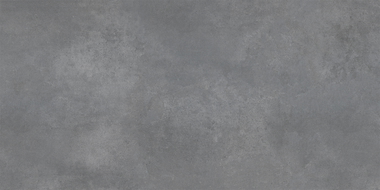
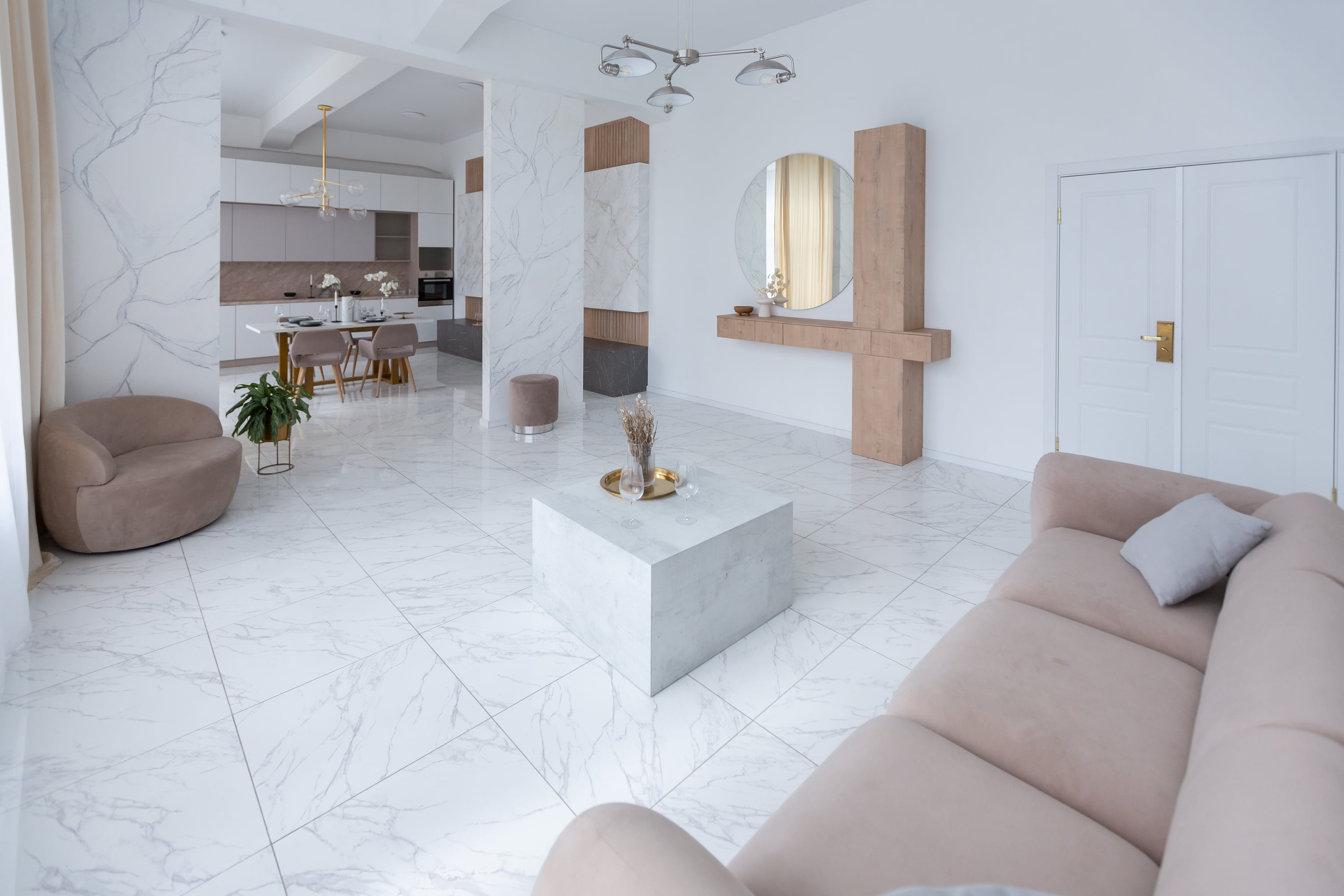
When choosing a finish for underfloor heating, it is worth paying attention to the technical parameters. At Mexen, we know that the best choice for a living room connected to a kitchen is porcelain imitating natural materials such as concrete or marble. This creates a uniform surface that visually enlarges the space.
Key shopping tips:
-
Thickness matters: Optimal tiles are usually from 8 to 12 mm. This thickness ensures durability while quickly conducting energy.
-
Natural stone: Another option, but requires impregnation and is more expensive to install.
-
Aesthetics and design: Our wide range of products includes both classic tiles and modern large-format solutions. We invite you to explore the offer at Mexen.pl.
Flat heating combined with the right ceramics is the highest level of thermal comfort. Such a solution is very simple to maintain daily - the tiles are resistant to abrasion, moisture, and stains. The smooth surface facilitates floor cleanliness, needing only a mop wipe. Installing heating and tiles is an investment that makes the home more eco-friendly. Choose wisely, opt for quality Mexen and enjoy a warm home for many seasons.
Related products
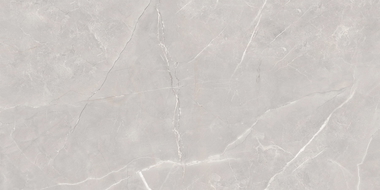
Mexen Boca Dove glazed porcelain rectified G1, floor-wall tile 120 x 60 cm, gloss - TL102-120-060-01
€28.60/m2 -19.97%
€22.89/m2List price: €28.60/m2
Lowest price: €22.89
Availability: In stock

Mexen Netiva Nero glazed rectified stoneware tile G1, floor and wall tile 120 x 60 cm, matt - TL316-120-060-04
€28.60/m2 -19.97%
€22.89/m2List price: €28.60/m2
Lowest price: €22.89
Availability: 2026-10-20
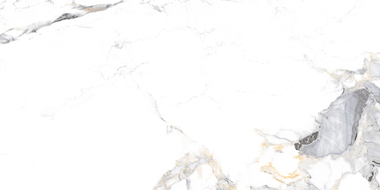
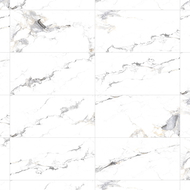
Mexen Nolte Gold glazed rectified porcelain tile G1, floor-wall tile 120 x 60 cm, gloss - TL111-120-060-00
€28.60/m2 -19.97%
€22.89/m2List price: €28.60/m2
Lowest price: €22.89
Availability: In stock
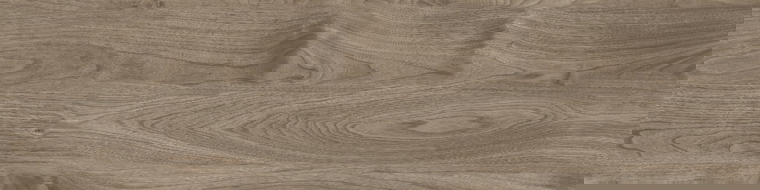
Mexen Riga Natural glazed rectified gres G1, wood-like floor-wall tile 120 x 30 cm, matte - TL713-120-030-07
€32.20/m2 -19.91%
€25.79/m2List price: €32.20/m2
Lowest price: €25.79
Availability: In stock
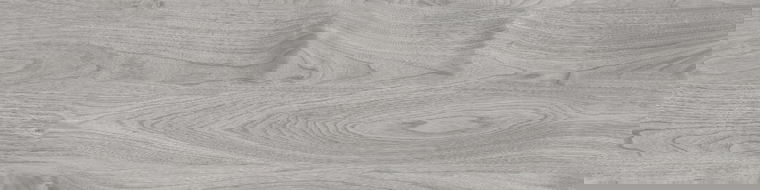
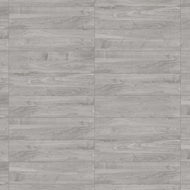
Mexen Riga Rectified Glazed Gray Porcelain Tile G1, Wood-like Floor and Wall Tile 120 x 30 cm, Matte - TL713-120-030-04
€32.20/m2 -19.91%
€25.79/m2List price: €32.20/m2
Lowest price: €25.79
Availability: In stock
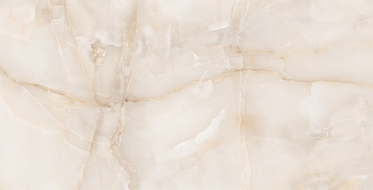
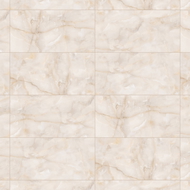
Mexen Robins Beige Glazed Rectified Porcelain Stoneware, Floor-Wall Tile 120 x 60 cm, Gloss - TL119-120-060-01
€28.60/m2 -19.97%
€22.89/m2List price: €28.60/m2
Lowest price: €22.89
Availability: 2026-12-28