





















The operating principle of a so-called thermostatic valve is based on controlling the flow of heating water according to the ambient temperature. However, it is worth explaining a certain technical nuance at the very beginning. Although we commonly search for information about “thermostatic valves,” in reality, the valve itself is a standard hydraulic component. The thermostatic head (knob) is responsible for reacting to heat, and these two components together form a thermostatic set. For convenience, this article will use the popular term, but we will show you exactly how these key components of modern heating systems work together.
What will you learn from this article?
Radiators with thermostatic valves do not operate at full power all the time, which translates into significant energy savings while maintaining a comfortable room temperature. From this article, you will learn:
- Why are thermostatic valves essential for achieving the desired temperature in rooms?
- What should you consider when choosing thermostatic valves?
- Which component of the valves is crucial, and why?
- What positive aspects are associated with using high-quality thermostatic valves?
What do you need to know about thermostatic valves?
Thermostatic radiator valves are an important part of every heating system. Their task is to control the flow of heating water according to the ambient temperature. They allow you to adjust the temperature in a particular room to your needs without manual regulation, which significantly reduces energy consumption and increases thermal comfort.
A thermostatic head controls the thermostatic valve and allows you to set the desired temperature. This solution works in both new and modernized central heating systems.
Construction of a thermostatic valve in a heating system
Every thermostatic radiator valve consists of a body, a valve insert, and a control head. The insert installed in the valve body limits the flow of hot water to the radiator. The insert consists of a plug with a flexible seal attached to a control stem with a return spring.
A very important component of a thermostatic valve is the thermostat, which consists of a temperature sensor, a pusher assembly, and an adjustment knob. The temperature sensor takes the form of a container filled with a material that has high thermal expansion. It contains a bellows with a pusher stem. As the material expands, the bellows is compressed and the pusher presses against the return insert, which results in a decrease in the water temperature.
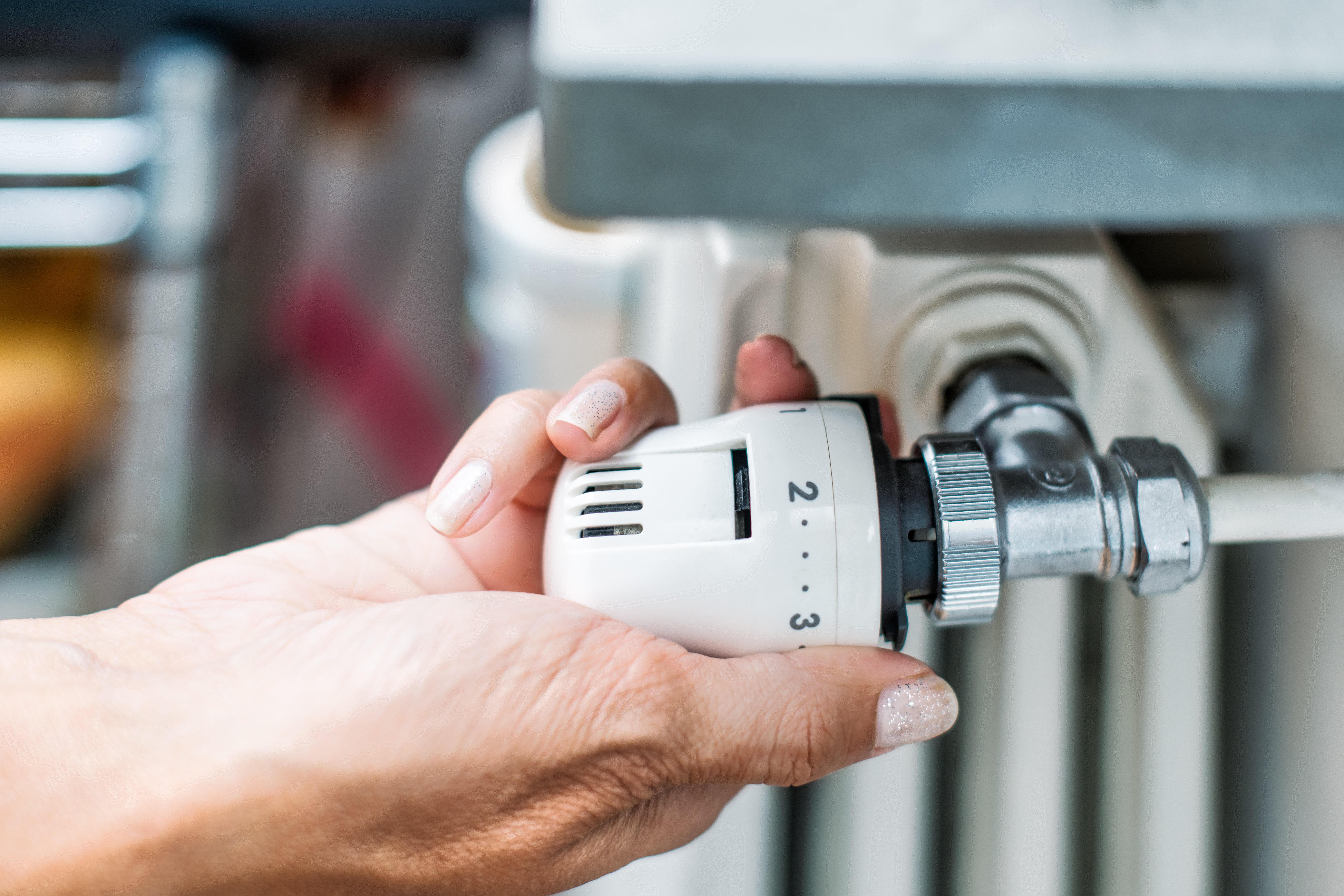
The most visible element of a thermostatic valve is the control head. With its help, you can manually set the optimal room temperature.
What are the operating principles of a thermostatic valve?
The operating principle of a thermostatic valve is based on the thermostat's response to changes in ambient temperature. When the room temperature reaches a certain level, the valve automatically reduces the flow of hot water, helping to maintain a constant temperature. When the temperature drops, the valve opens again, increasing the flow. This mechanism directly optimizes radiator operation and reduces energy consumption.
Using the thermostatic head mentioned earlier, you can manually set the desired room temperature. By turning the head, you change the distance between the pusher and the stem of the return insert. Turning it to the left raises the water temperature, while turning it to the right lowers the temperature.
Where should a thermostatic valve be used for efficient operation?
Thermostatic valves are widely used in central heating systems. They allow the temperature to be regulated independently in each room, which is particularly useful in buildings with varying levels of thermal insulation. They are also ideal solutions for apartments, single-family homes, and large commercial buildings where controlling energy consumption is crucial.
Types of valves
Various types of valves are available and can be adapted to a specific system and the user's requirements. Here are the most popular types:
- Straight and angled valves – the choice between a straight and an angled valve depends on the arrangement of pipes in the heating system. Straight valves are used for vertical connections, while angled valves are ideal for horizontal connections and may be easier to install in certain configurations.
- Presetting valves – this type of valve allows you to set the maximum water flow through the radiator, which helps optimize the heating system's operation. This helps prevent rooms from overheating and ensures even heat distribution throughout the room.
- Shut-off valves – shut-off valves are ideal when it is necessary to cut off the water supply to a radiator, for example during servicing. They allow the flow to be completely closed without having to drain the system.
- Control valves – they provide precise temperature regulation by controlling the water flow. They are ideal for systems where precise control over the temperature in individual rooms is required.
Thermostatic head – a key component of the valve
Thermostatic head is an important part of a thermostatic valve responsible for automatic temperature regulation. There are several types of heads that can be adapted to your needs:
- Manual heads – they allow you to manually set the temperature by turning the knob. They are easy to use, but require manual operation.
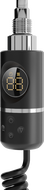
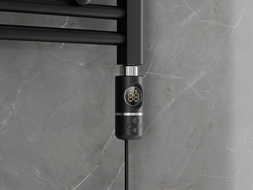
- Electronic heads – they allow precise temperature regulation, and some models offer weekly programming.
- Electronic heads are an ideal solution for people who want to control the temperature remotely or adjust it to their daily schedule.
- Heads with a liquid sensor – their operation is based on the response of the liquid inside the head to changes in temperature. When the liquid expands under the influence of heat, the valve closes the hot-water flow, and when the liquid contracts, the valve opens, ensuring automatic regulation.
How to choose a thermostatic head to achieve real savings?
The choice of a thermostatic head should be suited to the type of valve and the requirements of the system. A manual thermostatic head is a simple and economical solution, while electronic heads, although more expensive, offer much greater adjustment options. It is worth making sure that the head is compatible with the valve and enables precise temperature control in the room.
Radiator valves – use and selection
Radiator valves are components of a heating system that allow you to control the flow of water through radiators. They are used in both central heating systems and local installations. Here are a few things to consider when choosing them:
- Types of radiator valves – depending on the system, you can choose an angled or straight radiator valve. Each has specific applications that allow it to be properly matched to the pipe layout.
- Construction of a radiator valve – it consists of a body, a spring, and an adjustment element that enables precise control of the water flow.
- Material – brass valves are the most common and are characterized by high resistance to corrosion and excellent durability. There are also valves made of plastic, which are lighter but may be less resistant to mechanical damage.
- Compatibility with the thermostatic head – before purchasing, check whether the selected valve is compatible with the chosen thermostatic head to ensure proper temperature regulation.
Also check how to choose an electric radiator to achieve the greatest benefits.
Advantages of using thermostatic radiator valves
Installing thermostatic radiator valves brings a number of benefits. They play a key role in reducing high bills and provide substantial savings. Correct installation ensures thermal comfort tailored to your needs.
Energy savings and lower bills
Precise control of the water flow helps prevent rooms from overheating and reduces energy consumption. Properly setting the thermostatic valve allows a constant room temperature to be maintained according to your needs.
Thermal comfort
The ability to regulate the temperature separately in each room allows the level of warmth to be adjusted to individual needs. A lower temperature can be used in the bathroom and a higher one in the bedroom. You achieve a stable temperature adapted to the specific room and the users' needs.
Heating automation
Electronic heads allow the temperature to be automatically adjusted to a schedule while responding to changes in ambient temperature. This increases convenience. Your system operates independently without manual adjustment.
Extended radiator lifespan
Thanks to proper water-flow regulation, radiators operate more efficiently, which may extend their service life.
Simple operation and installation
A thermostatic valve is very easy to operate. Installing it on radiators throughout the house is also trouble-free. You can raise or lower the temperature at any time by turning the head knob to the left or right.
Tips for operating thermostatic radiator valves to get the most benefits
Choosing the right thermostatic radiator valves can significantly affect thermal comfort and heating costs in a given room. It is worth paying attention to the type of valve and thermostatic head to ensure the system operates efficiently. Well-matched valves and heads provide precise temperature control, energy savings, and greater convenience. Smart heads that respond to the ambient temperature are particularly recommended.
- A radiator with a thermostatic valve should not be hidden behind curtains or furniture. Efficient and proper operation is possible when it is completely exposed.
- When you plan to ventilate the room, set the thermostat to the minimum temperature.
- Thanks to the way the thermostat in the valve works, you can reduce heating costs. Lowering the room temperature by 1°C is enough to save 6% of thermal energy.
Related products


Mexen G00 angled thermostatic set with cover R, Duplex, DN50, black - W907-900-905-70
€76.80 -19.93%
€61.49List price: €76.80
Lowest price: €61.49
Availability: In stock


Mexen G00 angled thermostatic set with S cover, Duplex, DN50, anthracite - W907-900-910-66
€76.80 -19.93%
€61.49List price: €76.80
Lowest price: €61.49
Availability: In stock

Mexen G00 angled thermostatic set, white - W901-900-20
€32.20 -19.91%
€25.79List price: €32.20
Lowest price: €25.79
Availability: In stock


Mexen G00 axial thermostatic set, chrome - W903-900-01
€35.70 -19.92%
€28.59List price: €35.70
Lowest price: €28.59
Availability: In stock

Mexen G01 DN50 Dual-pipe Thermostatic Set, Angled 1/2"x16 mm, Nickel - W911-016-918-01
€26.80 -19.81%
€21.49List price: €26.80
Lowest price: €21.49
Availability: 2027-02-01