




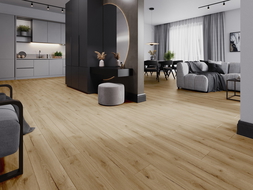
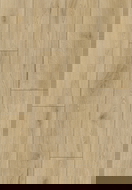
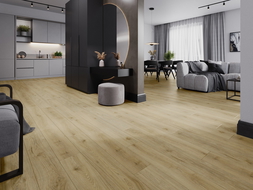

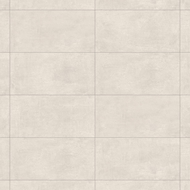

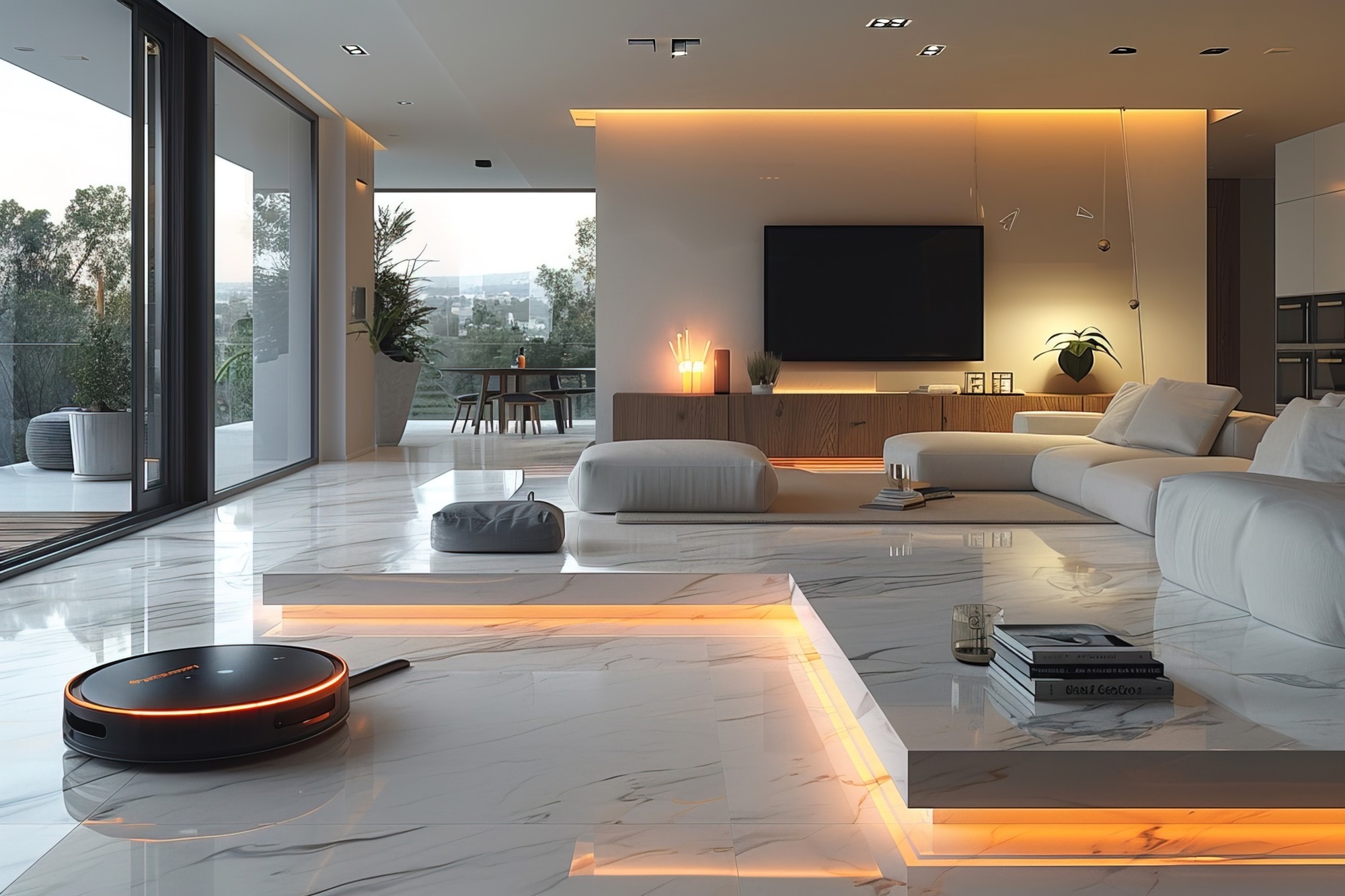
You've probably heard the statement that a tile has a rectified edge. What does it mean? It has smooth edges and can be laid with a minimal amount of grout. It is extremely popular among people looking for aesthetic, elegant, and impeccably clean solutions. Advanced production technology allows for precise matching of tiles to create a uniform, impressive surface on floors in the kitchen, bathroom, and hallway.
What will you learn from this article?
Wherever there is a high risk of dirt, such as in the bathroom and kitchen, using rectified tiles makes sense. From this article, you will learn:
- How rectification affects the visual effect of the surface?
- Why can minimal grout be used in rectified tiles?
- What influences the high quality of rectified tiles?
Rectified — what does it mean?
Rectification is a special mechanical process involving the precise trimming of tile edges. You get identical dimensions and perfectly smooth sides of each tile. This is a fundamental difference from calibrated tiles, which have slight differences in dimensions.
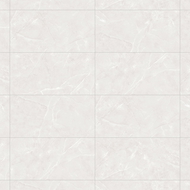
Perfectly even edges of rectified tiles allow the use of minimal grout with a width of only 1-2 mm. It's a significant material saving. Narrow joints also contribute to creating an even surface effect, which fits well with minimalist, modern interiors.
This process takes place under factory conditions, where advanced machines cut the edges with precision to a fraction of a millimeter. Then the edges are ground at a 90° angle, ensuring each tile from the batch has the same dimension.
Learn how to cut tiles properly.
Main Advantages of Rectified Tiles
Rectified tiles have a modern and minimalist look. They blend perfectly with contemporary interior designs. They are available in various formats, colors, and patterns. Their distinguishing features are consistent dimensions and the ability to create what is known as seamless installation (which in reality only requires a minimal grout width).
- Uniform surface look — the floor looks elegant and aesthetic.
- Easier to maintain cleanliness — the use of very narrow grout means that dirt does not accumulate in the gaps. Their choice is especially justified in kitchens and bathrooms.
- Wide application — tiles undergoing rectification can be laid on both walls and floors. They are available in various formats and are especially suitable for large spaces.
- High aesthetics — the edges of rectified tiles are smooth and perfect. Narrow grout lines contribute to achieving a uniform surface. Such solutions are primarily desired in modern interiors characterized by minimalism.
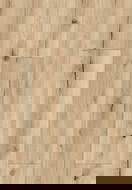
- Resistance to mechanical damage — available on the market are primarily rectified porcelain tiles. They stand out for their resistance to abrasion, scratches, and moisture. They are easy to maintain, resistant to dirt and stains. You can choose wood-like tiles or those imitating other popular materials.
Learn how porcelain differs from ceramic tiles.
Where does rectified porcelain perform best?
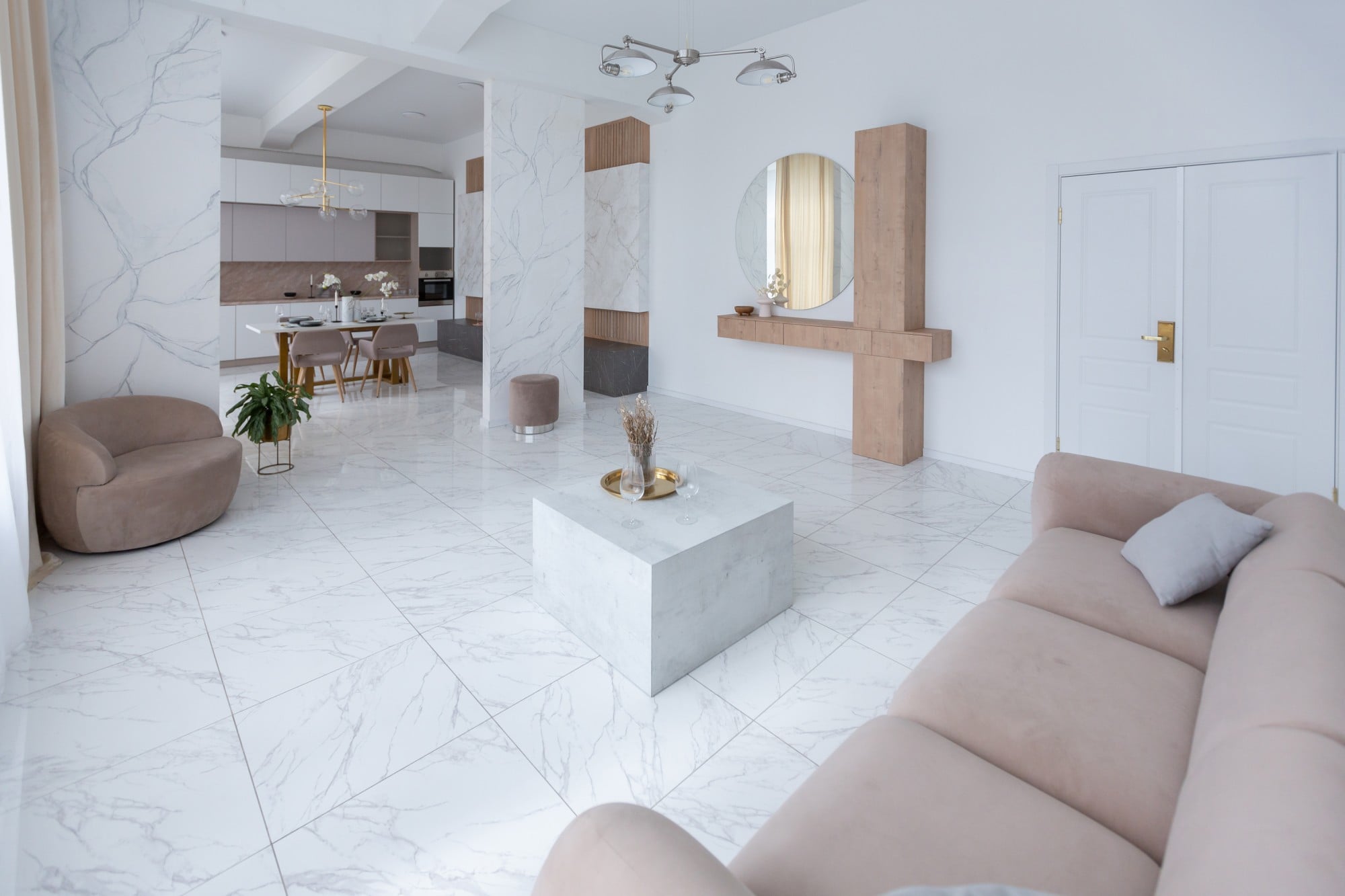
Rectified tiles are more popular in spacious interiors, with minimal furniture and decorations. They present themselves effectively, bringing out the depth of the room. They are an integral part of modern interior designs.They emphasize minimalist beauty.
Rectified tiles in the kitchen
With rectified tiles, you do not have to worry about stains and the negative effects of moisture. Fats and colorful spices will not stain the grout. Rectification of tiles makes them easier to maintain cleanliness and ensures a long-lasting attractive visual effect.
Rectified tiles of the same dimensions perfectly harmonize with furniture built-in reaching up to the ceiling. A smooth surface is created highlighting the modern look of the interior.
Rectified tiles in the bathroom
If you want to maintain perfect cleanliness and easier hygiene maintenance, it is especially important to use rectified tiles. Fewer grout lines make it easier to keep every corner clean. You save time and maintain an unchanged look for years.
Rectification visually enlarges the space. Its purpose is to achieve a smooth shape and strive for a predetermined dimension. See ideas for arranging a small bathroom with a shower. Certainly, rectified tiles will be an integral part of it.
Rectified tiles in the hallway
In hallways and corridors, porcelain tiles are often laid due to their resistance to mechanical damage. It is not very easy to wash off dirt brought in on shoes from outside. You can limit this problem to an absolute minimum by investing in rectified tiles. You will save a lot of time cleaning the floor, and above all, maintain its impressive appearance for a long time.
Rectified tiles in the living room
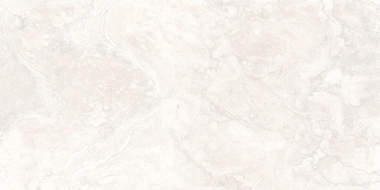
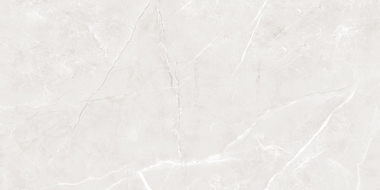
If you dream of a subtle, refined, and modern floor, choose rectified tiles. Because you have a wide range of sizes to choose from, you can opt for a large format in a neutral color, which will fit perfectly with modern-style decor. It's also worth considering tiles that imitate popular materials such as marble or wood.
Tile rectification is a reliable way to achieve perfect cleanliness and hygiene
For a long time now, rectified tiles have been a common choice for people furnishing their interiors in a modern style. Thanks to this technique, it is possible to precisely match tiles and achieve a uniform surface without excessively visible grout lines.
The benefits of rectified tiles include:
- Dimensional consistency — regardless of the type of tile, each tile has exactly the dimension you expect.
- Improved tile laying process — floors and walls will be finished faster due to their uniform shape within one batch.
- Their quality — since rectified tiles are often made from porcelain, they are resistant to scratches and mechanical damage. They can be used in high humidity areas such as bathrooms and kitchens.
If you want to achieve a modern and minimalist look for your floors and walls, choose rectified tiles.
Related products

- Floor Days
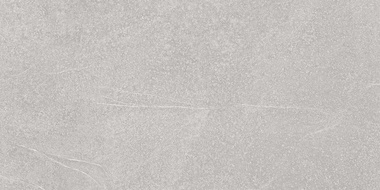
Mexen Avocado Beige Glazed Rectified G1 Porcelain Tile, Wood-Like Floor and Wall Tile 120 x 20 cm, Matte - TL601-120-020-01
€30.29/m2 -19.84%
€24.29/m2List price: €30.29/m2
Lowest price: €24.29
Availability: In stock
- Floor Days
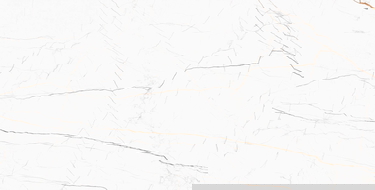
Mexen Circuit Grey glazed rectified porcelain tile, floor-wall tile 120 x 60 cm, matt - TL344-120-060-02
€28.60/m2 -19.97%
€22.89/m2List price: €28.60/m2
Lowest price: €22.89
Availability: In stock
- Floor Days
Mexen Dicta White glazed rectified porcelain stoneware, floor-wall tile 120 x 60 cm, carving - TL408-120-060-02
€32.20/m2 -19.91%
€25.79/m2List price: €32.20/m2
Lowest price: €25.79
Availability: In stock
- Floor Days
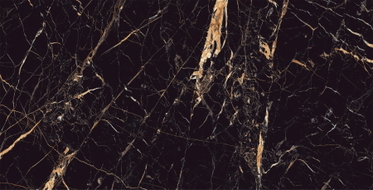
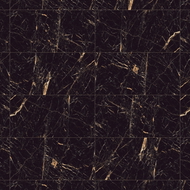
Mexen Python Gold glazed rectified tile G1, floor-wall tile 120 x 60 cm, high gloss - TL212-120-060-00
€33.90/m2 -19.79%
€27.19/m2List price: €33.90/m2
Lowest price: €27.19
Availability: In stock
- Floor Days
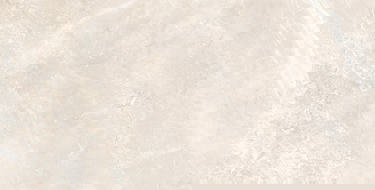
Mexen Visby Crema glazed rectified porcelain stoneware G1, floor-wall tile 120 x 60 cm, carving - TL428-120-060-04
€32.20/m2 -19.91%
€25.79/m2List price: €32.20/m2
Lowest price: €25.79
Availability: In stock