












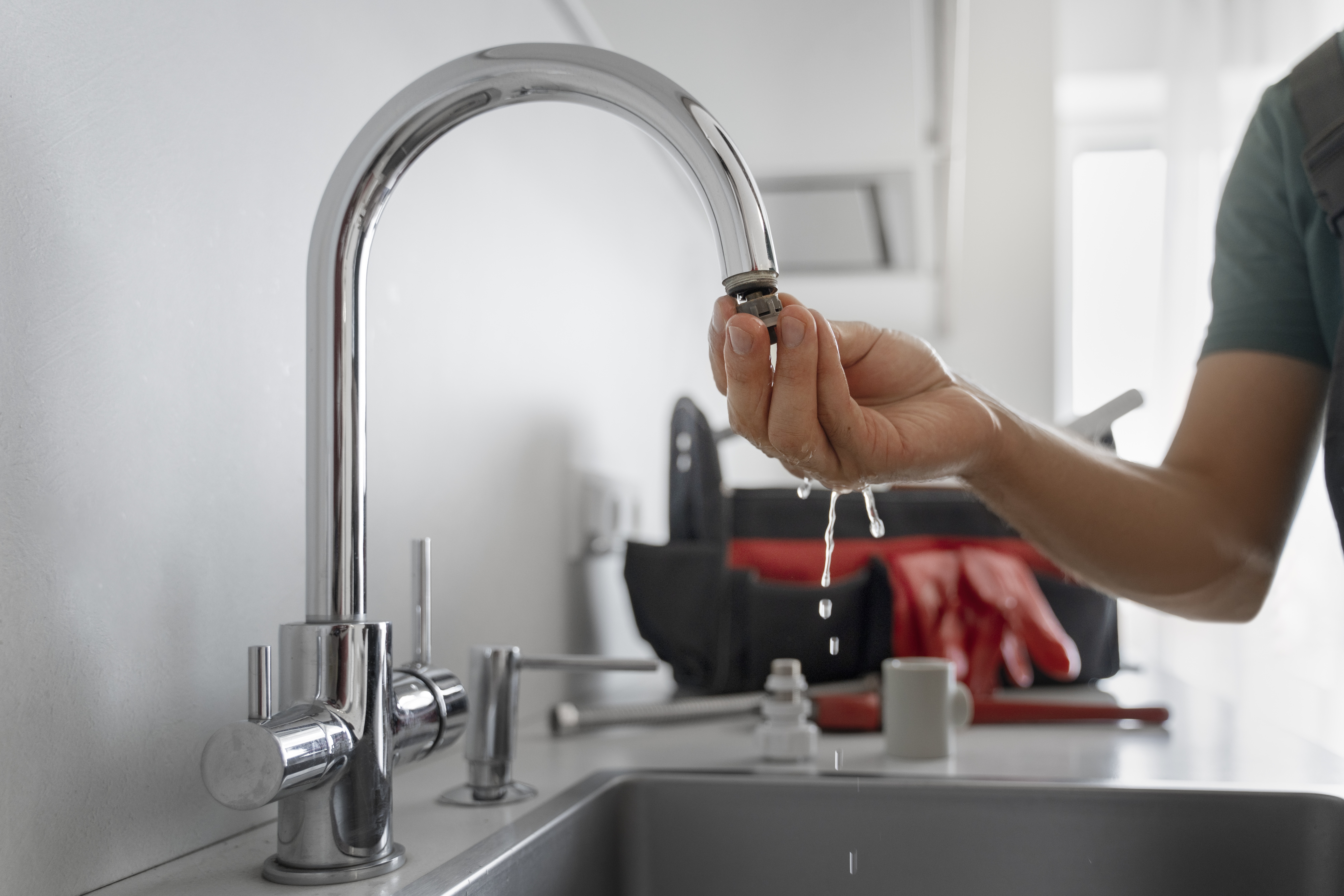
The aerator in bathroom and kitchen faucets is a good solution for anyone who wants to be eco-friendly and also save on water and energy bills. This inexpensive, small device significantly reduces water consumption by aerating it. It is useful for every household.
What will you learn from this article?
An aerator is a proven and effective way to reduce water consumption. But that's not the only benefit. In this article, we answer questions:
- How does the aerator support water saving?
- What type of aerator should be used in the kitchen and which one in the bathroom?
- How to match the aerator to the sink faucet?
What is an aerator and what is it used for?
An aerator, also known as a faucet aerator or water aerator, is a small ring with a fine mesh screen that is mounted at the end of the faucet spout. The screen is made from many materials, but the most popular, due to its durability and corrosion resistance, is brass. The aerator is standard in most modern bathroom and kitchen faucets. In the description of the selected model, you will find information if the faucet is equipped with it.
The principle of operation of the aerator is very simple — it visually increases the water flow without reducing user comfort. Quite the opposite. The water flowing out of the faucet creates a vacuum that enriches it with air bubbles. As a result, a fluffy, aerated cascade flows from the faucet, which may seem larger in volume, but in fact uses a fraction of the standard amount of liquid. This is the simplest way to lower bills and reduce the amount of wastewater entering the sewage system.
What are the types of aerators?
Aerators are made from different materials, and the most popular ones include:
- Brass aerator — the most popular due to corrosion resistance, durability, and ease of cleaning from limescale.
- Silicone aerator — also very popular, much cheaper than the brass model but less resistant to wear and tear. However, it is easy to remove limescale and water deposits from silicone.
- Metal aerator — due to less corrosion resistance, it rusts over time.
- Plastic aerator — the least durable and very quickly deteriorates. Plastic poses many problems during use. This small element will need to be replaced quickly.
Aerator models are also categorized by use:
- Aerator for sink faucets — most often sold with the faucet.
- Aerator for kitchen faucets — choose a needle aerator with flow control to fill containers faster. This will increase everyday use comfort.
- Shower aerator — the installation location is different than with classic faucets. The aerator in the shower tap is screwed before the hose. Check out which shower taps are installed in modern bathrooms.
- Bathtub faucet aerator — it is worth choosing a model with a higher flow class than the one placed at the sink faucet. This will speed up filling the bathtub with water.
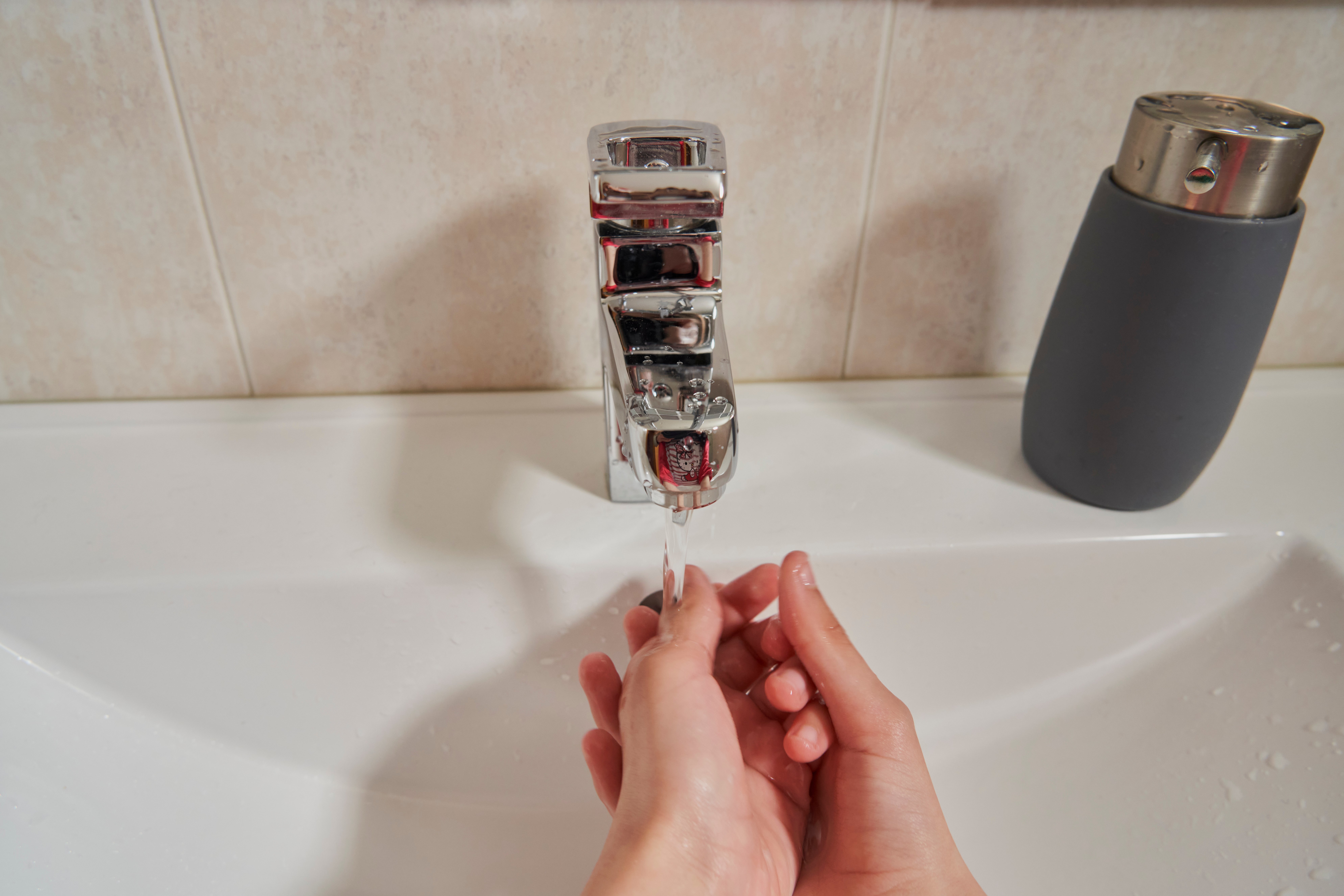
Why is an aerator useful in a sink faucet?
A small element like an aerator reduces the amount of water consumed from the faucet, both in the kitchen and bathroom. Thanks to the aeration of the stream, you don't feel a decrease in its volume. You have access to soft water, comfortable to use.
Good quality aerators can limit water flow by even up to 60%. Specific values will illustrate this better. A kitchen faucet without an aerator provides a water flow of up to 13 l/min. With this element on the faucet, the flow is up to 5 l/min. Water savings on bills become visible after a short period of use. You also produce less sewage, which has a big impact on the environment. You are not wasting valuable resources unnecessarily.
Check how to choose a faucet for a sink to achieve as many benefits as possible.
What should you pay attention to when choosing a kitchen, sink, shower, and bathtub faucet with an aerator?
- Choose the device depending on the type of faucet and its size where it will be installed. A different model will work for the showerhead, sink faucet, and kitchen faucet.
- Select this element according to the type of internal or external thread.
- The aerator is available in different sizes. Pay attention to the diameter of the faucet's thread you have.
- Choose the aerator color-wise to match the faucet. It won't stand out and makes a coherent whole.
Bathroom fittings only with an aerator for comfort and savings!
Investing in an aerator is recommended for everyone who wants to reduce water bills and care for the environment. The cost of purchase pays off very quickly. The installation of this product is especially important in homes with small children. Kids tend to turn the water on at full blast. They use more than they need. Due to the high functionality of the aerator, its operation positively impacts water and energy bills.
Related products
Mexen Elia kitchen faucet, chrome - 670101-00
€58.90 -19.88%
€47.19List price: €58.90
Lowest price: €47.19
Availability: In stock
Mexen Emma sink faucet, black - 71900-70
€32.20 -19.91%
€25.79List price: €32.20
Lowest price: €25.79
Availability: In stock
Mexen Kai thermostatic bathtub faucet, gold - 77300-50
€121.40 -19.94%
€97.19List price: €121.40
Lowest price: €97.19
Availability: In stock
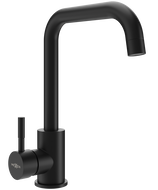
Mexen Modena kitchen faucet, black - 671900-70
€32.20 -19.91%
€25.79List price: €32.20
Lowest price: €25.79
Availability: In stock
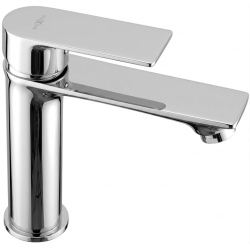
Mexen Royo washbasin faucet, chrome - 72200-00
€60.70 -19.95%
€48.59List price: €60.70
Lowest price: €48.59
Availability: In stock